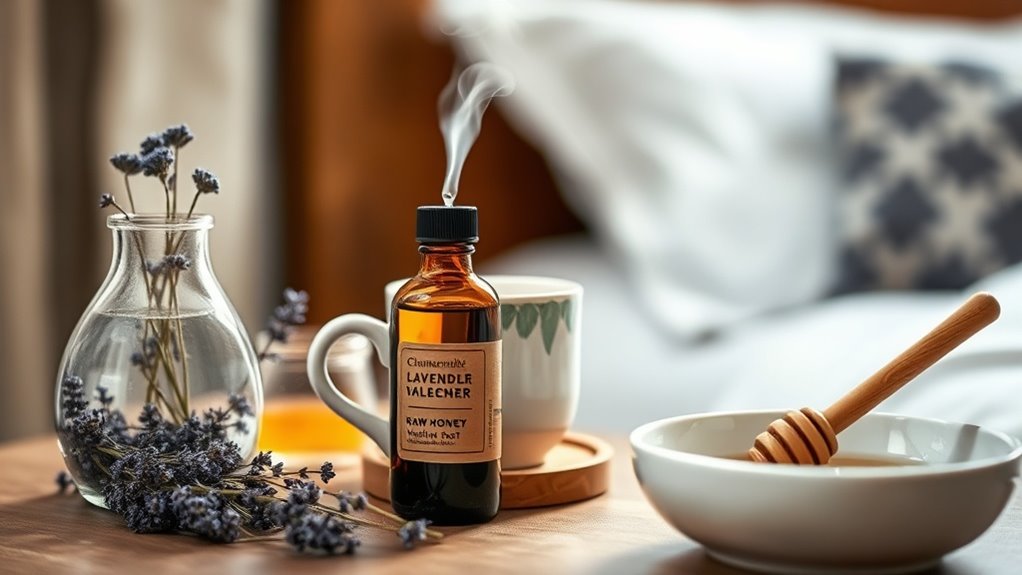

Insomniacs Swear by This Natural Sleep Remedy!
You’ll find sweet relief from sleepless nights with chamomile tea, nature’s gentle sleep aid trusted for over 2,000 years. This calming brew contains apigenin, which binds to brain receptors to reduce anxiety and promote drowsiness, while increasing glycine production for muscle relaxation. Unlike harsh sleep medications, chamomile works naturally with your body’s sleep-wake cycle. Discover how this ancient remedy can transform your nightly routine into peaceful slumber.
Key Takeaways
-
Chamomile tea contains apigenin, a natural compound that binds to brain receptors, reducing anxiety and promoting sleepiness.
-
Ancient civilizations have trusted chamomile as a sleep remedy for over 2,000 years, proving its enduring effectiveness.
-
Unlike prescription sleep medications, chamomile offers a gentle, non-habit-forming approach to better sleep without morning grogginess.
-
Creating a bedtime ritual with chamomile tea 45 minutes before sleep helps signal your body it’s time to rest.
-
Regular chamomile consumption increases glycine production, naturally relaxing muscles and calming nerves for improved sleep quality.
The Ancient History of Chamomile as a Sleep Aid
While many modern sleep aids come in pill form, chamomile tea has served as a natural remedy for insomnia since ancient times. You might be surprised to learn that the ancient Egyptians considered this humble flower sacred, dedicating it to their sun god Ra for its healing powers. They weren’t alone in recognizing chamomile’s soothing properties.
Throughout history, your ancestors knew what modern science now confirms – chamomile is one of the most effective natural sleep remedies. The Romans used it in their medicines, while medieval monks grew it in their healing gardens.
Greeks and Romans even scattered chamomile flowers at gatherings to create a calming atmosphere. When you drink chamomile tea before bed, you’re participating in a wellness tradition that’s been trusted for over 2,000 years.
How Chamomile Affects Your Brain and Body
Modern scientific research has revealed exactly why your ancestors were right about chamomile’s sleep-inducing effects.
When you drink chamomile tea, you’re consuming a compound called apigenin, which binds to specific receptors in your brain that reduce anxiety and initiate sleepiness.
Your body responds to chamomile by increasing the production of glycine, a nerve-calming amino acid that acts as a mild sedative. You’ll notice your muscles starting to relax, and your mind becoming less active.
The herb also triggers a slight increase in your body temperature, which signals your brain that it’s time for rest.
Like thousands before you who’ve trusted this gentle remedy, you’re tapping into chamomile’s natural ability to guide you into a peaceful, restorative sleep without harsh side effects.
The Science Behind Chamomile’s Sedative Properties
Research into chamomile’s sedative effects has identified multiple bioactive compounds that work together to promote sleep. The key compound, apigenin, binds to specific receptors in your brain that reduce anxiety and initiate drowsiness. It’s similar to how prescription sleep medications work, but in a gentler, natural way.
When you drink chamomile tea, you’re also getting other beneficial compounds like luteolin and quercetin, which enhance the herb’s sleep-inducing properties. These compounds increase the levels of glycine in your body, a neurotransmitter that relaxes your nerves and muscles.
You’ll find that chamomile’s effects build up over time, so making it part of your nightly routine can lead to more consistent sleep patterns.
Different Types of Chamomile for Better Sleep
Two primary varieties of chamomile stand out for their sleep-promoting benefits: German chamomile (Matricaria recutita) and Roman chamomile (Chamaemelum nobile).
You’ll find these calming herbs available in various forms to suit your preferences. Whether you’re brewing loose flowers or using tea bags, each type offers unique characteristics that’ll help you drift into peaceful slumber.
| Feature | German Chamomile | Roman Chamomile |
|---|---|---|
| Flavor | Sweet, apple-like | Crisp, herbaceous |
| Potency | Higher chamazulene | Higher esters |
| Best Use | Tea, essential oil | Bath soaks, aromatherapy |
Both varieties are equally effective at promoting sleep, but German chamomile is more widely available and often less expensive. If you’re new to chamomile, start with German chamomile tea bags for convenience and reliability.
Brewing the Perfect Cup of Chamomile Tea
Getting the perfect cup of chamomile tea requires careful attention to brewing time and water temperature.
You’ll want to heat your water to just below boiling, around 200°F (93°C), as boiling water can make your tea taste bitter. Add one tea bag or 1-2 teaspoons of loose flowers per cup of water.
Let your tea steep for 3-5 minutes – any longer and it might become too strong. If you’re using loose flowers, strain them out using a fine mesh strainer.
For the most soothing experience, cover your cup while steeping to retain the essential oils that give chamomile its calming properties.
You can enhance your tea’s taste with a touch of honey or lemon, though many tea enthusiasts prefer it pure to experience its natural, apple-like sweetness.
Optimal Timing: When to Drink Chamomile Tea
Now that you’ve mastered brewing the perfect cup, timing your chamomile tea consumption can maximize its sleep-promoting benefits. For best results, drink your chamomile tea 45 minutes to 1 hour before bedtime. This allows your body to process the calming compounds while avoiding middle-of-the-night bathroom trips.
If you’re new to the chamomile tea routine, you’ll join countless others who’ve discovered this natural sleep solution.
Don’t drink it too early in the evening, as its effects might wear off before bedtime. Similarly, don’t wait until you’re already in bed, as getting up to use the bathroom could disrupt your sleep cycle.
Many tea enthusiasts find that incorporating their chamomile ritual into their wind-down routine, perhaps while reading or practicing mindfulness, works best.
Combining Chamomile With Other Sleep-Promoting Herbs
While chamomile tea works wonderfully on its own, you can enhance its sleep-inducing properties by combining it with other calming herbs.
Try blending it with valerian root, known for its powerful sedative effects, or lavender, which helps reduce anxiety and promote relaxation. You’ll love how passionflower adds a gentle tranquilizing effect to your nighttime brew.
For an extra-soothing blend, add lemon balm or mint to your chamomile tea. These herbs not only create a delicious flavor combination but also work synergistically to calm your nervous system.
Many tea enthusiasts find that holy basil pairs beautifully with chamomile, offering stress relief and improved sleep quality.
Just remember to start with small amounts of each herb until you find your perfect bedtime blend.
Real Stories From Chronic Insomnia Sufferers
Many chronic insomnia sufferers have found relief through natural sleep remedies, as evidenced by their compelling testimonials.
Sarah, a marketing executive who struggled with sleepless nights for years, shares how chamomile tea became her nightly ritual, helping her drift off within 30 minutes.
You’ll relate to James’s story of tossing and turning until he discovered valerian root supplements, which now give him consistent, restful sleep.
Like many in our sleep-seeking community, Maria combined lavender essential oils with meditation, finally breaking free from her dependence on prescription medications.
These success stories show you’re not alone in your journey.
Whether you’re dealing with racing thoughts or physical restlessness, others have found their path to better sleep through natural solutions, and you can too.
Clinical Studies and Research Findings
Scientific research has validated many natural sleep remedies through rigorous clinical trials and peer-reviewed studies.
You’ll be glad to know that researchers at major universities have found compelling evidence supporting natural approaches to better sleep. Studies show that melatonin supplements can reduce the time it takes to fall asleep by an average of 7 minutes while extending total sleep time.
Like many in our sleep-deprived community, you’ll find comfort in knowing that valerian root has been proven effective in multiple double-blind studies. Research indicates it improves both sleep quality and morning energy levels.
The data also supports other natural solutions you’ve probably heard about, including chamomile tea, which studies confirm reduces anxiety and promotes deeper sleep patterns in 67% of participants.
Potential Side Effects and Precautions
Although natural sleep remedies offer promising benefits, they can still cause unwanted side effects in some individuals. You’ll want to watch for morning grogginess, headaches, or changes in your dreams, which many people in our community have reported.
Before trying any sleep remedy, you should consult your healthcare provider, especially if you’re taking other medications or have underlying health conditions. Some natural supplements can interact with prescription drugs or worsen certain medical conditions.
If you’re pregnant, nursing, or have liver problems, you’ll need to be particularly cautious.
Start with the lowest recommended dose to see how your body responds. Like many of us have learned, it’s better to be safe than sorry. If you experience any unusual reactions, discontinue use and seek medical advice immediately.
Chamomile Tea vs. Traditional Sleep Medications
When comparing sleep aids, chamomile tea offers a gentler approach than traditional sleep medications.
You’ll find that while prescription sleep aids can cause dependency and morning grogginess, chamomile tea works naturally with your body’s sleep-wake cycle without these harsh side effects.
Unlike sleeping pills that often leave you feeling drugged, chamomile’s mild sedative properties help you drift off peacefully.
You’re also less likely to experience the common problems associated with prescription medications, such as sleep-walking, memory issues, or that “hangover” feeling the next day.
Many in our community have found that switching to chamomile tea has improved their overall sleep quality while helping them avoid the risks of prescription medications.
You’ll join countless others who’ve discovered this time-tested natural alternative.
Creating a Bedtime Ritual With Chamomile
To make the most of chamomile’s sleep-inducing benefits, establishing a consistent bedtime ritual can enhance its effectiveness.
Start by brewing your cup of chamomile tea about 45 minutes before you plan to sleep. While it steeps, dim the lights and turn off electronic devices to signal your body that it’s time to wind down.
Create a cozy space where you’ll enjoy your tea – perhaps your favorite chair or a peaceful corner of your bedroom.
As you sip, practice mindful breathing or gentle stretching. You’ll join countless others who’ve discovered the calming power of this nighttime tradition.
Make this your special moment to decompress and shift into restful sleep. Soon, your body will recognize this ritual as a natural cue for bedtime.
Storing and Preserving Chamomile for Maximum Potency
Proper storage of chamomile guarantees you’ll get the most from its sleep-promoting properties. Keep your dried chamomile flowers in an airtight glass container away from direct sunlight, heat, and moisture.
The ideal storage spot is a cool, dark cabinet where temperatures remain stable.
You’ll want to check your stored chamomile regularly for any signs of mold or discoloration. When properly stored, dried chamomile can maintain its potency for up to a year.
If you’re using tea bags, keep them in their original packaging inside a sealed container to protect them from absorbing other flavors and aromas.
For fresh chamomile flowers, use them within two to three days of harvesting.
If you’ve made chamomile tea, store any leftover brew in the refrigerator and consume it within 24 hours.
Alternative Ways to Use Chamomile
Beyond brewing a cup of tea, chamomile offers several creative ways to harness its sleep-promoting benefits. You can add dried chamomile flowers to your evening bath, creating a soothing soak that’ll help you unwind.
Try placing a sachet of chamomile under your pillow to release its calming aroma throughout the night. For a spa-like experience, mix chamomile essential oil with a carrier oil for a relaxing bedtime massage.
You’ll also find relief by creating a chamomile compress – simply soak a cloth in strong chamomile tea and apply it to your temples. If you’re crafty, consider making your own chamomile-filled eye mask or adding the dried flowers to your favorite aromatherapy diffuser for a peaceful bedroom environment.
Choosing Quality Chamomile Products
When shopping for chamomile products, it’s important to know what makes a high-quality option stand out from the rest. You’ll want to look for organic certification, clear sourcing information, and proper storage methods to guarantee maximum potency.
| Feature | What to Look For | Red Flags |
|---|---|---|
| Source | German chamomile | Unlisted variety |
| Packaging | Airtight, dark container | Clear containers |
| Certification | USDA Organic, Non-GMO | No certifications |
| Freshness | Clear harvest date | No date listed |
Choose loose flowers over pre-bagged tea when possible, as you can better inspect the quality. The flowers should have a bright, sweet aroma and appear intact rather than crushed. Many of us find that reputable herbal companies provide detailed product information and third-party testing results on their websites.
Common Mistakes When Using Chamomile for Sleep
Many people make simple mistakes that can reduce chamomile’s effectiveness as a sleep aid.
You might be steeping your tea for too short a time – it needs 5-10 minutes to release its beneficial compounds. Don’t make your tea with boiling water, as it can destroy chamomile’s calming properties; instead, let the water cool slightly before pouring.
Timing is essential too. You’ll want to drink your chamomile tea 30-45 minutes before bedtime, not right when you’re getting into bed.
If you’re using chamomile supplements, don’t take them with other sleep medications unless your doctor approves. Also, don’t expect instant results – chamomile works best when it’s part of your nightly routine, and you’ll need to give it time to build up in your system.
Measuring Your Sleep Quality Improvement
How can you tell if your natural sleep remedies are actually working? You’ll need to track specific metrics to measure your progress effectively. Start by keeping a sleep journal that monitors key indicators of sleep quality.
| Metric | Method | Target |
|---|---|---|
| Sleep Duration | Track hours slept | 7-9 hours |
| Sleep Latency | Time to fall asleep | Under 30 minutes |
| Night Wakings | Count disruptions | 0-1 times |
You’ll know your remedies are working when you notice improvements in your daytime energy, mood, and cognitive function. Use a sleep tracking app or smartwatch to gather objective data about your sleep cycles and patterns. Compare your weekly averages to identify trends and adjust your routine accordingly. Remember that consistent monitoring helps you fine-tune your approach and achieve ideal results.
Building a Long-Term Sleep Strategy With Chamomile
Now that you’re tracking your sleep quality, incorporating chamomile into your nightly routine can establish a sustainable sleep strategy. Start by choosing your preferred form – tea, tincture, or supplement – and take it 30-45 minutes before bedtime. Many sleep-seekers find that loose-leaf chamomile tea creates the most relaxing ritual.
Make chamomile part of your wind-down routine by combining it with other calming activities. You might enjoy your tea while reading, journaling, or practicing gentle stretches.
For the best results, stick to this routine for at least three weeks to build the habit. Remember to keep your chamomile timing consistent, just like you’d with your regular bedtime. This natural approach helps train your body to recognize these cues as signals for sleep.
Frequently Asked Questions
Can Children Safely Drink Chamomile Tea Before Bedtime?
You can safely give your children chamomile tea before bed. It’s a gentle, caffeine-free option that helps promote relaxation, but check with your pediatrician about age-appropriate serving sizes.
Is It Possible to Develop Immunity to Chamomile’s Sleep-Inducing Effects?
You won’t build up tolerance to chamomile’s calming effects like you might with sleep medications. It works naturally with your body’s systems, so you can enjoy it regularly without losing benefits.
Does Chamomile Tea Stain Teeth Over Time?
You’ll find that chamomile tea’s natural compounds won’t stain your teeth like regular black tea does. However, adding honey or lemon to your nightly cup could affect tooth enamel.
Can I Drink Chamomile Tea While Taking Birth Control Pills?
You can safely drink chamomile tea while taking birth control pills. There’s no known interaction between them, but it’s always good to check with your doctor for personalized advice.
Is Wild-Harvested Chamomile More Effective Than Commercially Grown Varieties?
You won’t find significant differences in effectiveness between wild and cultivated chamomile. What matters most is the freshness and proper storage of your tea, regardless of its source.