 By Sarah Jones
How to Fade Dark Spots Naturally in 30 Days
You’ve likely noticed that dermatologists consistently cite 28-30 days as the minimum timeframe for visible improvement in hyperpigmentation—and there’s solid science behind this number. Your skin’s natural cell turnover cycle operates on this exact schedule, which means you’ll need strategic intervention at multiple points in this regenerative process. Before you invest time in any topical treatment, you’ll want to understand why certain botanical compounds outperform others and which application sequence actually penetrates the epidermis effectively.
Understanding What Causes Dark Spots on Your Skin
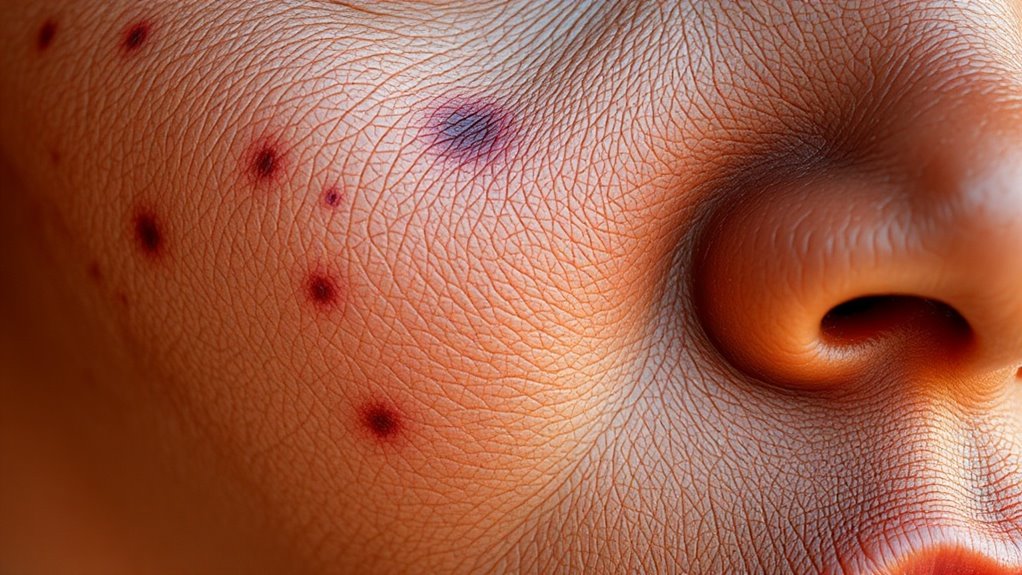
Dark spots develop through five primary mechanisms, each triggering excessive melanin production in localized skin areas. Post-inflammatory hyperpigmentation occurs when acne, eczema, or injuries stimulate melanocytes to overproduce pigment during healing.
UV exposure causes solar lentigines by clumping melanin in sun-exposed regions—affecting 90% of individuals over 70. Hormonal fluctuations from pregnancy or medications like estrogens sensitize your skin to pigmentation, particularly on facial areas.
Certain medications including tetracyclines and amiodarone increase photosensitivity, amplifying melanin synthesis. Medical conditions like diabetes and liver disease trigger pigmentary changes through metabolic disruptions. Diabetes-related dark spots can appear as a result of these metabolic changes affecting skin pigmentation.
Understanding these mechanisms helps you identify which dark spots remedies target your specific cause. Darker skin tones (Fitzpatrick III-VI) demonstrate heightened melanin response, while lighter tones develop UV-induced spots earlier due to lower baseline protection. Genetics and age also play significant roles in determining your susceptibility to developing dark spots over time.
Why Natural Remedies Take 30 Days to Show Results
While professional treatments deliver visible improvements within weeks, natural remedies require a minimum 30-day window before you’ll observe initial changes—a timeline directly governed by your skin’s cellular turnover cycle.
Your skin regenerates completely every 28-30 days, meaning pigmented cells need this full cycle to be replaced by new ones. Natural ingredients work through gradual mechanisms:
- Melanin inhibition: Compounds like aloin and curcumin suppress tyrosinase enzyme activity progressively, not instantaneously
- Antioxidant accumulation: Free radical neutralization builds over repeated applications, reducing oxidative stress incrementally
- Barrier restoration: Niacinamide strengthens skin function across 6-8 weeks of consistent use
Mild hyperpigmentation typically shows softening within 3-6 months, while deeper discoloration demands extended patience. Daily adherence remains non-negotiable for achieving these evidence-based outcomes. However, UV exposure can restart the pigmentation cycle, undermining your progress and requiring strict sun protection throughout treatment.
Understanding the underlying cause of your dark spots—whether from sun damage, hormonal changes, or post-inflammatory hyperpigmentation—is crucial before starting any natural remedy protocol.
The Non-Negotiable First Step: Daily SPF 30+ Sunscreen Application
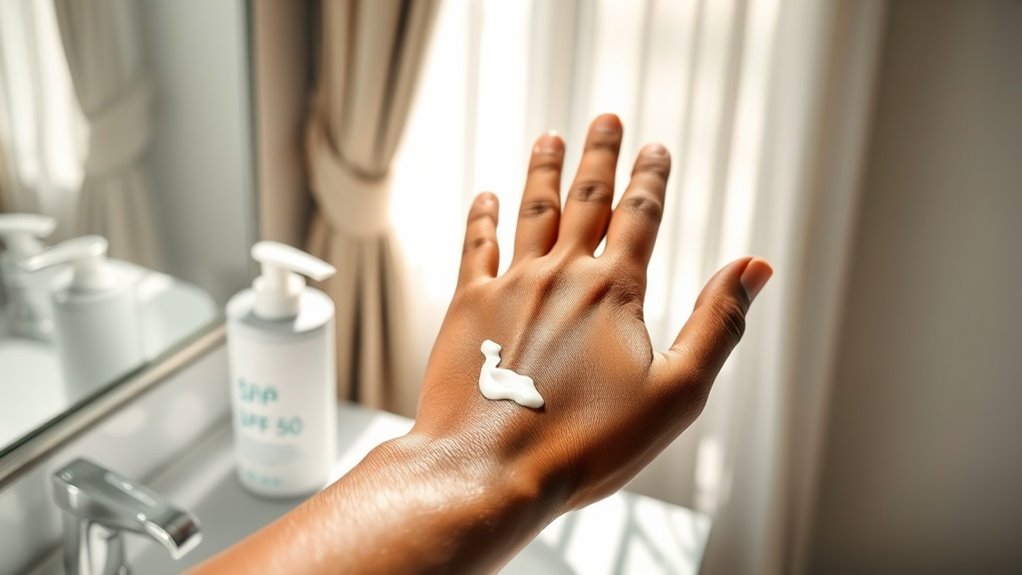
Without proper ultraviolet protection, every natural remedy you apply becomes substantially less effective—and in many cases, counterproductive. You’ll need broad-spectrum SPF 30+ sunscreen blocking 97% of UVB rays and addressing UVA wavelengths that directly worsen hyperpigmentation. Clinical studies demonstrate that consistent daily application prevents 80% of new pigmentary lesion formation while stabilizing existing melasma and postinflammatory hyperpigmentation.
You should expect measurable improvements: 81% of patients show lightening of hyperpigmented macules within eight weeks, with 85% achieving overall skin tone enhancement. Reapplication every two hours maintains protection, particularly during swimming or perspiration. Tinted formulations containing iron oxides provide additional visible light defense, while niacinamide-enhanced sunscreens offer concurrent melanin regulation—optimizing outcomes beyond basic photoprotection alone. For sensitive or acne-prone complexions, select oil-free and non-comedogenic formulations that won’t trigger breakouts while delivering essential photoprotection. Choose mineral-based formulations containing zinc oxide or titanium dioxide, which provide gentle yet effective UV protection without causing irritation or allergic reactions.
How UV Protection Enhances Every Natural Treatment
UV protection amplifies the effectiveness of every natural lightening agent you apply by preventing melanocyte retriggering that counteracts your treatment efforts. Broad-spectrum SPF 30+ shields skin from the oxidative stress and inflammatory signals that stimulate ongoing melanin synthesis, allowing topical actives like vitamin C, niacinamide, and kojic acid to work unimpeded.
Studies demonstrate that consistent photoprotection reduces treatment duration and recurrence rates when combined with depigmenting regimens, making sunscreen the single factor that determines whether your 30-day protocol succeeds or fails. Regular sunscreen application creates a barrier that prevents UV-induced damage from triggering the overproduction of melanin that leads to uneven skin tone. Avoiding peak sun hours between 10 AM and 4 PM provides additional protection when UV radiation reaches its strongest intensity levels.
Sunscreen Prevents New Pigmentation
Because melanocytes respond to ultraviolet radiation by producing excess melanin, sunscreen serves as the cornerstone of any hyperpigmentation treatment protocol—not merely as prevention, but as active therapy.
Daily broad-spectrum SPF 30+ application blocks 97% of UVB rays and shields against UVA exposure that triggers melanin overproduction. This protection is non-negotiable for preventing new dark spots during treatment.
Your sunscreen routine should include:
- Morning application of physical blockers containing zinc oxide or titanium dioxide, regardless of weather conditions
- Reapplication throughout the day when outdoors to maintain consistent UV protection
- Visible light protection formulations to prevent exacerbation in melasma-prone individuals
Without this foundational step, UV-induced melanogenesis will counteract your treatment efforts. Clinical evidence demonstrates that consistent sunscreen use prevents flares while supporting existing therapeutic interventions. Over time, this protective barrier can help fade existing dark spots by preventing the UV stimulation that perpetuates hyperpigmentation.
UV Blocks Topical Efficacy
While topical treatments target existing hyperpigmentation, UV exposure simultaneously triggers fresh melanin synthesis that undermines therapeutic progress. Broad-spectrum sunscreens create essential barriers against UVA-driven aging and UVB-induced DNA damage, enabling treatments like Mequinol to function most effectively without counterproductive melanin stimulation.
Clinical evidence demonstrates that combining SPF 50 protection with pigment-correcting agents yields measurable improvements by Week 2. Tinted formulations containing iron oxides block both ultraviolet and visible light spectrums, particularly beneficial for melasma management. Niacinamide-enriched sunscreens complement lightening treatments while vitamin C antioxidants enhance spot-fading efficacy.
Daily application of broad-spectrum SPF 30+ remains non-negotiable, even indoors where UVA penetrates windows. Without consistent UV protection, natural treatments risk reversed progress, as unblocked radiation can trigger hyperpigmentation lasting months to years.
Daily Protection Maintains Results
After achieving visible lightening through targeted treatments, sustained UV protection becomes the single most critical factor determining whether improvements endure or regress. Clinical guidance confirms that lapses in daily broad-spectrum sunscreen (SPF ≥30) correlate directly with re-darkening of treated areas.
You’ll need to integrate three non-negotiable maintenance behaviors:
- Apply tinted sunscreen with iron oxides daily to block both UV and visible light that reactivates melanin production.
- Reapply every two hours during sun exposure and immediately after sweating or swimming to sustain protective coverage.
- Combine photoprotection with daily antioxidants (vitamin C, niacinamide) and mild retinoids to neutralize free radicals and support epidermal turnover.
Without consistent photoprotection, even aggressive depigmenting regimens fail long-term. Your daily sunscreen routine dictates whether faded spots remain light or return.
Aloe Vera Gel: Your Nightly Depigmenting Treatment
Aloe vera gel contains two clinically studied compounds—aloesin and aloin—that work through distinct mechanisms to reduce melanin production and destroy existing pigmented cells. You’ll achieve ideal depigmentation by applying a thin layer to affected areas during your nightly routine, when skin’s natural repair processes are most active.
Research demonstrates that combining aloe vera with complementary ingredients like arbutin can enhance its modest melanin-inhibiting effects within a structured 30-day protocol. For maximum effectiveness, blend 1 tablespoon of aloe vera gel with 3 drops of rosehip oil and apply this mixture nightly after cleansing to target hyperpigmented areas.
Natural Depigmenting Compounds Explained
Research demonstrates that aloe vera gel functions as a multi-mechanistic depigmenting agent through its bioactive compounds aloesin and aloin. These compounds work synergistically to address hyperpigmentation through targeted pathways:
-
Tyrosinase inhibition: Aloesin exhibits superior antityrosinase activity compared to kojic acid and arbutin, effectively blocking L-DOPA oxidation—the rate-limiting step in melanin synthesis.
-
Melanolytic action: Aloin destroys existing melanin cells while simultaneously preventing new melanin formation in hyperpigmented areas.
-
UV protection: The extract generates metallothionein, an antioxidant protein that shields your skin from UV-induced damage and reduces immunosuppressive cytokines.
Clinical studies support aloe vera’s efficacy in reducing chemotherapy-induced hyperpigmentation and UV-related pigmentation when applied consistently. You’ll find it works as a nontoxic alternative to conventional depigmenting agents.
Proper Nightly Application Routine
Establishing a consistent nightly application protocol maximizes aloe vera’s depigmenting efficacy while your skin undergoes its natural regeneration cycle. Apply a thin layer of pure aloe vera gel directly to hyperpigmented areas 3-4 nights weekly, gently massaging into affected skin. Leave the gel on overnight without rinsing to optimize absorption of aloesin and aloin compounds.
Before initiating treatment, perform a patch test to assess individual sensitivity. If you experience rash or irritation, discontinue use immediately. The bioactive compounds—particularly aloesin’s melanogenesis inhibition and glucomannan’s collagen-stimulating properties—require consistent application over time for measurable results.
Combine nightly treatment with daily broad-spectrum sunscreen, as UV exposure counteracts depigmenting effects. Multiple daily applications are safe, though patience remains essential; individual response rates vary based on consistency and skin characteristics.
Pairing for Enhanced Results
Combining aloe vera with complementary depigmenting agents can amplify melanin-reduction effects beyond what single-ingredient protocols achieve. Controlled studies demonstrate synergy when aloesin co-formulates with other tyrosinase inhibitors, yielding greater pigment reduction than monotherapy.
Consider these evidence-supported pairings:
-
Vitamin C (L-ascorbic acid): Antioxidant activity inhibits tyrosinase and scavenges melanin-promoting free radicals; formulate at pH 3.0–3.5 for stability.
-
Arbutin or licorice extract (glabridin): Both compounds block tyrosinase at distinct binding sites, creating additive inhibition when layered with aloe-derived aloesin.
-
Niacinamide (4–5%): Reduces melanosome transfer from melanocytes to keratinocytes while supporting barrier integrity, complementing aloe’s anti-inflammatory profile.
Apply broad-spectrum SPF 30+ daily—UV exposure reverses depigmenting progress and triggers compensatory melanogenesis.
Preparing and Applying Pure Aloe Vera for Maximum Effect
When you harvest a mature aloe leaf and extract its inner gel properly, you preserve the active compounds—aloesin, acemannan, and polysaccharides—that inhibit tyrosinase, reduce inflammation, and support epidermal turnover, all mechanisms relevant to fading hyperpigmentation.
Cut outer leaves at the base, rinse thoroughly, and slice lengthwise to scoop the clear inner fillet while discarding the outer rind and yellow latex (aloin) to minimize irritation and photosensitivity.
Process within hours, then refrigerate in an airtight container for five to seven days or freeze in portions for extended use.
Apply a thin layer to discrete dark spots once or twice daily—evening application supports overnight repair—and always pair with morning photoprotection.
Perform a 24–48 hour patch test before regular use to confirm tolerance and monitor for any adverse reactions.
Green Tea Extract Compress Protocol for Morning and Evening
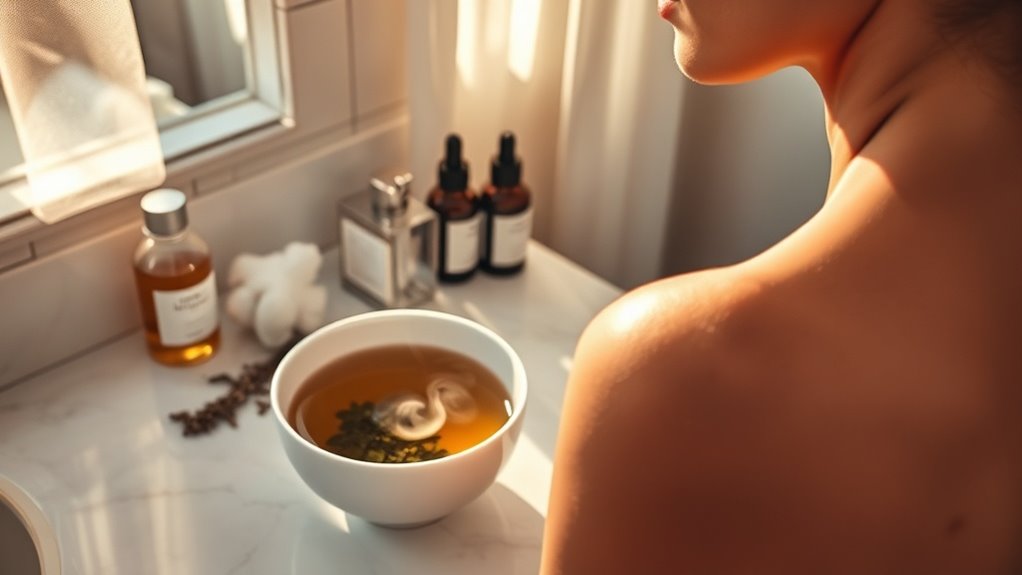
Anyone seeking a research-backed topical intervention can prepare a green tea compress in under five minutes using materials already in most households. Clinical evidence demonstrates that catechins inhibit tyrosinase enzyme activity, with 60% of melasma patients showing reduced hyperpigmentation following topical green tea extract application. A 2018 study supports these depigmenting outcomes.
Morning and Evening Application Protocol:
- Brew organic green tea, cool completely, and add ice cubes to a bowl
- Soak a clean flannel in the solution, then apply to hyperpigmented areas for several minutes
- Alternatively, press cooled tea bags directly onto dark spots
Perform a patch test before initial use due to potential tannin sensitivity. Apply this compress twice daily—morning and evening—for ideal results. Maintain consistent application frequency alongside sun protection measures.
Steeping and Cooling Green Tea for Hyperpigmentation Treatment
To maximize the tyrosinase-inhibiting catechins in green tea for hyperpigmentation treatment, you’ll need to optimize extraction variables including steeping time, water temperature, and cooling protocol. Proper preparation yields higher EGCG concentrations while minimizing skin-irritating tannins that emerge from over-extraction.
The following evidence-based protocol addresses steeping duration, cooling methods, and application frequency to support melanin reduction over your 30-day treatment period.
Proper Steeping Time Matters
Getting the steeping time right isn’t just about making a pleasant cup of tea—it’s critical for extracting the therapeutic polyphenols needed for topical hyperpigmentation treatment. Research-backed protocols recommend:
- Standard steep: 3–5 minutes in water just off boil for ideal catechin extraction without excessive tannins that may irritate skin.
- Extended steep: 5–10 minutes when preparing concentrated toners or masks to maximize EGCG and other depigmenting compounds.
- Avoid under-steeping (<2 minutes), which yields insufficient antioxidant activity for meaningful melanin-reducing effects.
Standardize your preparation—use one tea bag per 120–240 mL water with consistent timing across applications. This reproducibility guarantees reliable polyphenol concentrations throughout your treatment regimen. Remember: extraction yield plateaus; excessively long steeping adds bitterness without proportional therapeutic benefit.
Cooling Methods and Duration
Why does cooling technique matter as much as steep time? Improper cooling can trigger thermal irritation, stimulating melanocytes and worsening post-inflammatory hyperpigmentation. You’ll need to reduce your brewed tea from boiling to 25–35°C before application.
Choose one cooling method: ambient counter cooling (10–30 minutes uncovered), ice-bath immersion in a sealed container (5–10 minutes), or refrigeration in covered vessels (30–90 minutes). Rapid chilling with pre-chilled sterile containers minimizes bacterial proliferation at warm temperatures.
Apply within 4–8 hours if room-stored, or refrigerate up to 24–48 hours to preserve polyphenol activity. Discard tea showing cloudiness, off-odor, or color change—indicators of microbial contamination. Near-chilled temperatures reduce erythema and inflammation, potentially supporting hyperpigmentation management. Avoid direct ice contact; extreme cold damages the epidermal barrier.
Application Frequency and Technique
Each application session requires deliberate technique—frequency and method determine whether green tea compresses will reduce hyperpigmentation or trigger rebound darkening. Twice-daily application (morning and evening) delivers consistent antioxidant exposure while monitoring tolerance for irritation. You’ll need 4–12 weeks of continual use before visual improvement appears; pigmentary changes occur gradually. Patch-test before facial application to assess your sensitivity threshold.
Three evidence-based application methods:
-
Compressed-flannel method: Soak clean flannel in cooled infusion, squeeze lightly, apply as 10–20 minute compress to deliver catechins while soothing inflammation.
-
Tea-bag rub: Press cooled tea bag (steeped 3–5 minutes) gently over hyperpigmented spots—avoid vigorous rubbing that risks post-inflammatory hyperpigmentation.
-
Cotton-pad dab: Saturate pad with moderate-temperature infusion, apply targeted dabs twice daily for localized antioxidant delivery with minimal mechanical irritation.
Licorice Root Extract: 16 Times More Powerful Than Hydroquinone
Licorice root extract contains multiple active compounds that target hyperpigmentation through distinct biochemical pathways, making it one of the most researched natural alternatives to conventional skin-lightening agents. Glabridin inhibits tyrosinase activity and prevents UVB-induced pigmentation, while liquiritin disperses existing melanin for enhanced clearance.
Clinical studies demonstrate that 4% liquiritin formulations outperform 4% hydroquinone in melasma treatment, with 10% licorice extract cream showing ideal efficacy compared to higher concentrations. You’ll find licorice extracts rank among the safest over-the-counter options, though oil-soluble preparations may occasionally cause allergic contact dermatitis.
The anti-inflammatory properties reduce irritation while regulating pigment synthesis. This makes licorice a gentler yet potentially more effective alternative to hydroquinone for addressing dark spots.
Incorporating Licorice Toner Into Your Daily Routine
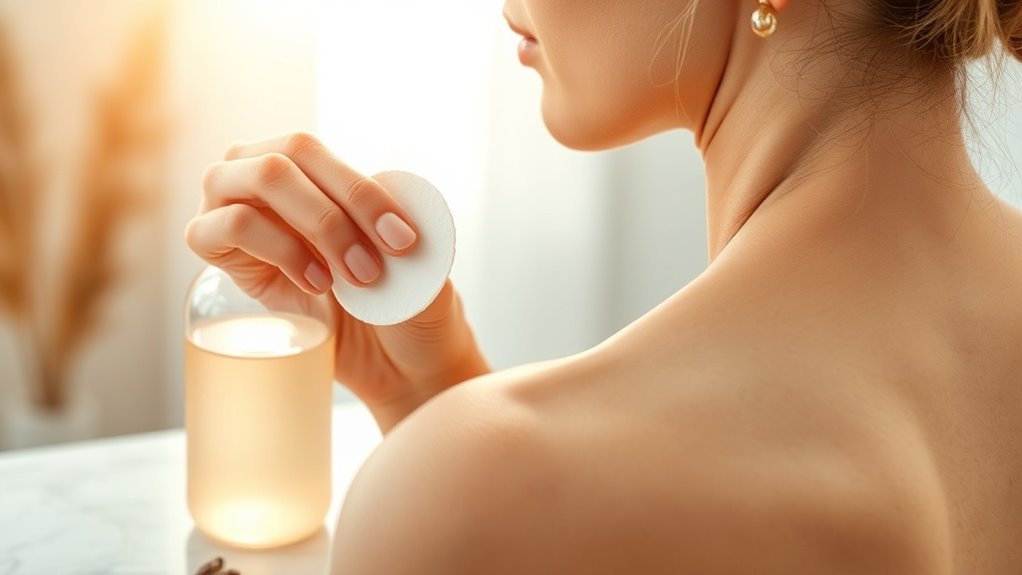
Understanding licorice root’s superior efficacy means little without a structured application method that maximizes its depigmenting potential. Apply your licorice toner immediately post-cleanse to slightly damp skin, optimizing active penetration before layering subsequent treatments.
Evidence-based application protocol:
-
Morning routine: Apply toner, allow 60-second absorption, follow with vitamin C derivative serum, then broad-spectrum SPF 30+ (non-negotiable for preventing new melanogenesis).
-
Evening routine: Apply toner after cleansing, wait for complete absorption, then layer compatible actives like retinoids—monitor for irritation when combining depigmenting agents.
-
Frequency titration: Begin twice-daily application; if sensitivity develops, reduce to once-daily until tolerance builds, then resume full protocol.
Patch-test new formulations for 48–72 hours before full-face use. Clinical improvement requires consistent 8–12 week adherence with photoprotection.
Niacinamide 2-5% Concentration for Barrier Repair
While licorice root tackles melanin synthesis directly, niacinamide operates through complementary barrier-repair mechanisms that indirectly fade dark spots by restoring skin’s structural integrity and reducing inflammation-driven pigmentation. At 2–5% concentrations, it upregulates ceramide, cholesterol, and free fatty acid synthesis in keratinocytes, reinforcing stratum corneum lipid integrity and lowering transepidermal water loss.
It also enhances filaggrin, involucrin, and keratin expression, improving corneocyte cohesion. By downregulating NF-κB signaling and pro-inflammatory cytokines like IL-1β and TNF-α, niacinamide reduces post-inflammatory hyperpigmentation risk. It inhibits melanosome transfer via PAR-2 suppression and supports uniform epidermal turnover through NAD⁺-dependent ATP production.
Clinical studies confirm measurable barrier improvements and TEWL reduction at ≥2%, with reproducible hyperpigmentation fading when combined with photoprotection. You’ll achieve ideal results using water-based serums or moisturizers formulated at these evidence-backed concentrations.
Nighttime Niacinamide Application Step-by-Step
To maximize niacinamide’s melanin-inhibiting effects, you’ll need to select an evidence-based concentration (typically 2-5%) and apply it using a precise technique that guarantees ideal penetration.
Your nighttime routine requires strategic layering—positioning niacinamide after lightweight serums but before occlusive moisturizers to prevent dilution while maintaining skin barrier integrity.
Clinical studies demonstrate that proper application sequence and product compatibility directly influence dark spot reduction outcomes within the 30-day treatment window.
Choosing the Right Concentration
Selecting the appropriate niacinamide concentration determines both your treatment’s efficacy and your skin’s tolerance throughout the 30-day dark spot fading protocol. Clinical evidence supports concentration-specific outcomes:
-
5% for sensitive skin: A 2000 study demonstrated significant hyperpigmentation reduction in Japanese women after 8 weeks, minimizing irritation risk while establishing ideal benefits.
-
4% for melasma management: Double-blind trials showed 44% of patients achieved good-to-excellent improvement, with decreased epidermal melanin (P < 0.0007) and reduced mast cell infiltrate.
-
10% for treatment-resistant pigmentation: Foundation Skincare’s formulation targets stubborn discoloration in tolerant skin, though higher concentrations don’t guarantee superior results.
You’ll observe measurable improvements within 4-8 weeks when paired with consistent SPF application. Serums provide perfect absorption for nighttime pigmentation correction.
Proper Application Technique
Maximizing niacinamide’s melanin-suppressing efficacy requires precise application timing and methodology during your evening skincare protocol. Begin with thorough cleansing to remove barrier-interfering residues, then pat—don’t rub—skin completely dry.
Dispense 2-4 drops of serum or a pea-sized cream amount onto fingertips. Apply using gentle patting motions in upward circular patterns, concentrating on hyperpigmented areas while maintaining full-face coverage for uniform tone correction. Allow 1-2 minutes for epidermal penetration before layering moisturizer to enhance barrier function.
Start with once-nightly application, gradually increasing frequency as tolerance develops. Conduct a 24-48 hour patch test before full facial use. Avoid concurrent vitamin C or exfoliating acid application; alternate these actives on different evenings to prevent compromised skin barrier integrity and potential inflammation.
Layering With Other Products
Strategic nighttime layering amplifies niacinamide’s melanin-inhibiting effects while maintaining barrier integrity throughout your dark spot treatment protocol.
Optimal Nighttime Sequence for Dark Spot Fading:
-
After exfoliation: Apply AHA/BHA first, wait 10–20 minutes for full absorption, then layer niacinamide to soothe post-exfoliation irritation while supporting barrier recovery and brightening synergy.
-
With vitamin C: Sequence L-ascorbic acid serum first for antioxidant brightening, allow complete absorption, then apply niacinamide to reinforce barrier function without pH interference—historical flushing concerns don’t apply at cosmetic concentrations.
-
Before retinoids: Apply niacinamide on damp skin, follow with lightweight retinoid formulations, then seal with ceramide-rich moisturizer to reduce irritation and accelerate melanin turnover while preventing barrier compromise.
For sensitive skin, alternate potent actives nightly while maintaining consistent niacinamide application to sustain tolerance.
Black Tea Water Treatment: The 2-Hour Steep Method

Among fermented tea varieties, black tea demonstrates the highest anti-melanogenic activity, surpassing even the well-studied epigallocatechin gallate (EGCG) found in green tea. You’ll prepare this treatment by adding one tablespoon fresh black tea leaves to one cup boiling distilled water, steeping for two hours before straining completely. The extended steeping time maximizes extraction of theaflavins (1.49 mg/g) and polyphenols (104 mg/g), compounds absent or minimal in other tea varieties.
Once cooled, you’ll apply the solution using cotton pads. Clinical evidence from melanin indices shows significant reduction (p < 0.001) in UVB-induced hyperpigmentation through concentration-dependent tyrosinase inhibition. The mechanism promotes melanin degradation while accelerating keratinocyte turnover, demonstrating measurable depigmenting effects with particularly lower cytotoxicity compared to alternative treatments.
Applying Black Tea Solution Twice Daily for 4 Weeks
To replicate the protocol shown effective in animal studies, you’ll prepare a concentrated black tea solution by steeping one tablespoon of black tea leaves (or one tea bag) in boiling water for approximately two hours, then strain and cool completely. Apply the solution to hyperpigmented areas using a cotton pad soaked in the tea water, holding it against each dark spot for several minutes twice daily—morning and evening—for a minimum of four weeks.
This twice-daily, 4-week regimen mirrors the treatment schedule that produced statistically significant melanin reduction in controlled guinea pig trials, though you should manage expectations as human clinical data for this exact protocol remain limited.
Preparing Black Tea Water
Black tea water has emerged as a topical depigmentation approach after controlled animal studies demonstrated measurable reductions in melanin indices when applied twice daily for four weeks.
You’ll need to prepare the solution properly to replicate the research protocol:
- Steep 1 tablespoon (2–3 g) of fresh black tea leaves in 240 ml of boiling distilled water for 2 hours to maximize polyphenol and flavonoid extraction.
- Strain through a fine mesh or paper filter to remove particulate matter, then store in a clean glass container.
- Refrigerate and prepare fresh batches every 24–48 hours to preserve active compounds and minimize microbial growth.
Avoid adding milk, oils, or other additives that can alter pH and polyphenol stability. While guinea pig data showed significant melanin reduction, human clinical trials remain limited.
Application Technique and Timing
How effectively can you harness black tea’s depigmenting compounds? Apply the cooled solution twice daily—morning and evening—using a cotton ball or pad for precise, even coverage. Gently press or rub the liquid directly onto hyperpigmented areas, then allow complete air-drying without rinsing. Maintain this regimen six days weekly, reserving one day for skin rest.
A 2011 animal study demonstrated measurable lightening after four weeks of consistent application. Black tea’s tannins and antioxidants work synergistically to reduce melanin concentration, though individual results vary. Always perform a patch test before full application, as tannin sensitivity can occur.
Cool the solution thoroughly to prevent thermal injury, and consider using distilled water for ideal purity. Store your prepared solution refrigerated to maintain compound stability throughout the four-week protocol.
Turmeric Face Mask Formulations for Facial Hyperpigmentation
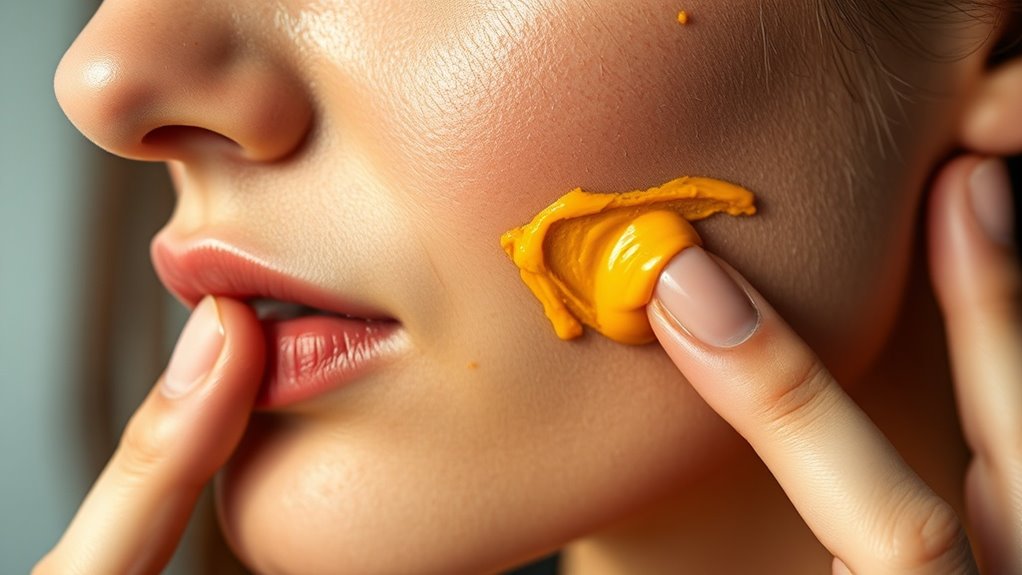
Turmeric face masks represent one of the most studied natural interventions for facial hyperpigmentation, with clinical evidence supporting their melanin-inhibiting and anti-inflammatory properties. Curcumin modulates tyrosinase activity and addresses post-inflammatory hyperpigmentation pathways that sustain dark spots.
Effective formulations include:
- Clay-based masks (bentonite or kaolin) combined with 0.5–5% turmeric powder to enhance desquamation while delivering curcuminoids
- Oil-based pastes (jojoba, sweet almond oil) that improve barrier compatibility and reduce irritation risk in darker skin types
- Encapsulated systems (liposomes, nanoemulsions) designed to increase curcumin penetration and bioavailability versus raw powder
Apply 10–15 minutes, 2–5 times weekly. Clinical trials document ~14% pigmentation improvement at four weeks. Patch-test first; monitor for delayed hyperpigmentation or irritation between applications.
Combining Turmeric With Honey or Yogurt for Application
You can combine turmeric powder with honey or yogurt to create topical formulations that target hyperpigmentation through complementary mechanisms—curcumin’s melanin-synthesis inhibition plus honey’s barrier support or yogurt’s lactic-acid exfoliation. Typical DIY ratios range from ¼–1 teaspoon turmeric mixed with ½–1 teaspoon raw honey or 1 tablespoon plain yogurt, though standardized concentrations aren’t established in controlled trials.
Applying these masks 1–2 times weekly represents a low-risk adjunctive approach, provided you’ve patch-tested and maintain consistent photoprotection for meaningful depigmentation results.
Turmeric-Honey Paste Recipe
When seeking a cost-effective topical intervention for hyperpigmentation, combining turmeric powder with honey creates a bioactive paste that leverages complementary mechanisms against dark spots. Curcumin’s melanin-inhibiting properties work alongside honey’s humectant and antibacterial functions to address inflammation-driven pigmentation while supporting barrier repair.
Basic turmeric-honey paste protocol:
-
Mix ratio: Combine 1 part turmeric powder with 2 parts raw honey (preferably Manuka) to form a spreadable consistency for single-use application.
-
Application parameters: Apply paste to cleansed skin for 10–15 minutes, 2–3 times weekly, to allow bioactive contact while minimizing yellow staining risk.
-
Removal technique: Rinse thoroughly with lukewarm water and gentle cleanser to prevent residual pigment transfer to textiles.
Conduct a 24-hour patch test before facial use to screen for contact dermatitis.
Yogurt Base Benefits
Plain dairy yogurt offers an alternative carrier base that introduces alpha hydroxy acid activity to the turmeric application protocol. The lactic acid content performs dual functions: gentle exfoliation of accumulated dead cells and tyrosinase inhibition to reduce melanin synthesis. You’ll obtain moisturizing effects while simultaneously addressing hyperpigmentation, as vitamin B supports cellular regeneration.
When combined with turmeric’s curcumin, this formulation targets dark spots through complementary mechanisms—exfoliation from yogurt and melanin inhibition from both ingredients. Apply this combination 2-3 times weekly to observe gradual tone evening. The yogurt base also delivers humectant properties similar to honey, maintaining skin hydration during treatment.
Clinical observations indicate visible improvements in dark spot reduction occur within three months of consistent application, with enhanced luminosity and smoothness appearing earlier.
Application Frequency Guidelines
Implement this escalation protocol:
- Patch test on your inner forearm for 24–48 hours before facial application, observing for erythema or pruritus.
- Limit contact time to 10–20 minutes per session to minimize transient yellow staining and irritation risk.
- Allow 48-hour intervals between applications for adequate recovery and delayed-reaction monitoring.
Reassess tolerance after 6–8 weeks of consistent use. Superficial pigmentary changes typically require several weeks to manifest clinically measurable improvement.
Orchid Extract as a Vitamin C Alternative
Several orchid-derived compounds—particularly flavonoids and anthocyanins—demonstrate measurable tyrosinase inhibition in vitro, targeting the rate-limiting enzyme in melanin synthesis through a mechanism conceptually similar to vitamin C’s action on pigment pathways. Their ROS-scavenging potency can match or exceed vitamin E in specific assays, reducing oxidative triggers of melanogenesis.
Clinically, orchid extracts offer a gentler profile: allergenic reactions remain uncommon, and irritation rates are lower than ascorbic acid formulations, making them suitable for sensitive or reactive skin. Controlled measurements show up to 30% increases in stratum corneum hydration, accelerating epidermal turnover that supports pigment fade.
However, human clinical evidence remains limited in scale and often manufacturer-reported. You’ll find orchid extracts positioned as cosmetic actives rather than pharmaceutical-grade depigmenting agents, with efficacy tied to extract type, concentration, and formulation context.
8-Week Orchid Extract Protocol for Dark Patches
Orchid extract offers a promising botanical alternative to vitamin C for addressing dark patches, backed by an 8-week trial showing comparable efficacy in melasma and age spots through tyrosinase inhibition and antioxidant mechanisms.
You’ll apply a standardized orchid extract product once nightly for seven days to evaluate initial tolerance and response, following a consistent cleansing routine that preserves skin barrier function.
This one-week protocol can be used independently or strategically layered with vitamin C derivatives, though you should monitor for any irritation when combining active ingredients.
Orchid Extract Benefits Explained
Although hyperpigmentation protocols typically emphasize retinoids and vitamin C, orchid extract has emerged as a gentler botanical alternative backed by tyrosinase-inhibition data and preliminary clinical trials. Its bioactive phenolics and glycosides inhibit melanin synthesis, while antioxidants neutralize reactive oxygen species that trigger post-inflammatory pigmentation.
Key mechanisms include:
- Tyrosinase blockade: Phenolic compounds reduce tyrosine-to-melanin conversion in pigmented lesions.
- Anti-inflammatory modulation: Cytokine suppression limits melanocyte stimulation following acne or irritation.
- Epidermal turnover enhancement: Mild exfoliative effects accelerate removal of pigmented keratinocytes.
A randomized trial demonstrated comparable efficacy to 3% vitamin C derivative for melasma. Clinical series reported ~15% radiance improvement and hyperpigmentation reduction over eight weeks. Low irritation rates support use in sensitive-skin populations, though larger controlled trials remain limited.
Daily Application Method Steps
When implementing orchid extract for hyperpigmentation reduction, you’ll follow a structured eight-week protocol with twice-daily applications targeting affected areas. Begin by gently cleansing your face and neck with a soft washcloth, removing all residue to optimize absorption. Apply a thin layer of orchid extract cream directly to dark patches using upward, outward motions for even distribution.
Clinical trials demonstrate that consistent twice-daily application over 8 weeks produces measurable improvements in patch size, brightness, and clarity through tyrosinase inhibition. Incorporate weekly exfoliation to enhance cell turnover and penetration. After absorption, follow with moisturizer and SPF protection.
Products containing mature orchid extracts with complementary plant actives show 20% elasticity improvement alongside melanin reduction. Evaluate progress through colorimetric measurements at protocol completion for objective assessment of luminosity and tone evening.
Combining With Vitamin C
Research demonstrates that pairing orchid extract with vitamin C derivatives creates a synergistic approach to hyperpigmentation treatment, with both ingredients targeting melanin production through complementary mechanisms. A comparative study of 48 female patients showed equivalent efficacy between orchid extract and 3% vitamin C derivative formulations.
You’ll find commercial black orchid products strategically combine these actives with niacinamide for enhanced radiance outcomes.
Consider this layering protocol:
- Apply vitamin C derivative serum to clean skin, allowing 60 seconds for absorption
- Follow with orchid extract formulation targeting specific hyperpigmented areas
- Complete with broad-spectrum sunscreen to prevent photooxidation of active ingredients
Clinical data indicates this combination approach delivers measurable improvements while orchid extract buffers vitamin C’s potentially irritating effects, making the protocol suitable for sensitive skin phenotypes.
Glycolic Acid From Natural Sources for Sunspot Fading

Glycolic acid derived from botanical sources—principally sugarcane, with secondary contributions from beets, pineapples, and unripe grapes—offers a naturally sourced alpha-hydroxy acid option for addressing solar lentigines. Its small molecular size facilitates epidermal penetration, accelerating turnover of melanin-laden keratinocytes and visibly reducing hyperpigmentation.
You’ll find that formulations combining glycolic with other fruit-derived AHAs (malic, citric, tartaric) can balance exfoliation with tolerability. However, efficacy depends on concentration and pH rather than botanical origin alone. Product labels stating “from sugarcane” confirm natural sourcing, yet many mass-market glycolic acids are synthetic for stability and consistency.
You should scrutinize ingredient lists and manufacturer disclosures to verify authenticity, recognizing that true botanical extracts may have shorter shelf-life than laboratory-synthesized equivalents while delivering comparable pigment-fading performance.
Safe Glycolic Acid Application Frequencies
Because glycolic acid’s keratolytic potency scales directly with concentration, contact time, and cumulative exposure, you’ll need to calibrate application frequency to your baseline barrier integrity and pigmentation goals.
Recommended frequency protocols:
-
Beginners and reactive skin: Start at once weekly with 5–10% formulations, assess tolerance for 7–10 days, then escalate incrementally only if no persistent erythema occurs.
-
Normal-tolerant complexions: Apply 2–3 times per week at moderate concentrations (5–10%), preferably at night, with 48-hour intervals between sessions.
-
Higher-concentration peels (10–20%): Limit to once weekly maximum and track cumulative contact time per manufacturer specifications.
Always stagger glycolic nights with retinoid applications, apply broad-spectrum SPF 30+ daily, and reduce frequency immediately if chronic dryness or flaking develops. Darker phototypes should consult dermatology before escalating beyond twice-weekly use.
Vitamin C Serum Pairing With Morning Sun Protection

You’ll maximize vitamin C’s hyperpigmentation-fighting effects by applying it to damp skin each morning before layering your sunscreen. This sequence allows the antioxidant serum to penetrate effectively while the subsequent SPF blocks UV rays that would otherwise trigger new melanin production.
Clinical studies demonstrate that combining 10% vitamin C with daily sun protection yields considerably greater dark spot reduction than using either treatment alone over a 16-week period.
Vitamin C Application Timing
When you apply vitamin C serum in the morning, you’re leveraging its antioxidant properties at the most advantageous time for skin defense. This timing neutralizes free radicals from UV exposure and pollution throughout your day, while enhancing your SPF’s efficacy by up to 55%.
Application Protocol:
- Cleanse and tone your skin completely
- Apply 2-3 drops of L-ascorbic acid serum to face and neck
- Wait 1-2 minutes for absorption before applying moisturizer and SPF 30+
Dermatological studies support morning application over evening use when targeting photoprotection and hyperpigmentation. However, if you have sensitive skin or scheduling constraints, nighttime application remains effective. The key is consistency with sun protection—vitamin C provides internal defense while sunscreen offers external barrier protection for ideal dark spot fading.
Layering Sunscreen After Serum
After applying vitamin C serum, you’ll need to wait 1-2 minutes before layering sunscreen—this brief absorption window determines whether your morning skincare routine succeeds or fails. Pat 2-3 drops of serum onto dry skin, allowing complete penetration before proceeding.
Sunscreen functions as an occlusive barrier; reversing this sequence blocks serum absorption and diminishes efficacy. Apply broad-spectrum SPF 30+ as your final step, using two fingers’ worth for adequate coverage. This combination provides synergistic benefits: vitamin C neutralizes UV-induced free radicals while enhancing photoprotection.
Clinical evidence suggests this pairing prevents UV-triggered melanin production and shields against environmental oxidative stress. Reapply sunscreen every 2-3 hours during sun exposure. The serum-then-sunscreen protocol maximizes both antioxidant penetration and photoprotective defense, creating ideal conditions for hyperpigmentation reduction.
Measuring and Mixing Vitamin C Treatments at Home
Because L-ascorbic acid’s efficacy depends on precise concentration and pH, you’ll need accurate measuring tools and systematic mixing protocols to guarantee effective home treatments.
Essential preparation steps:
-
Measure actives precisely: Use a digital scale (0.01–0.1 g accuracy) for powdered L-ascorbic acid and graduated syringes for liquid components to attain target concentrations of 10–20%.
-
Dissolve in proper sequence: Mix ascorbic acid powder in distilled water first, then add glycerin or propanediol as humectant co-solvents to enhance tolerability.
-
Minimize oxidation: Work quickly with minimal air exposure, store in amber airless containers, and refrigerate immediately after mixing.
Prepare small batches (10–30 g) to confirm freshness, as L-ascorbic acid serums typically remain stable for only 1–3 months. Record component weights, pH, and preparation dates for reproducibility.
Post-Inflammatory Hyperpigmentation: Soothing Irritation First
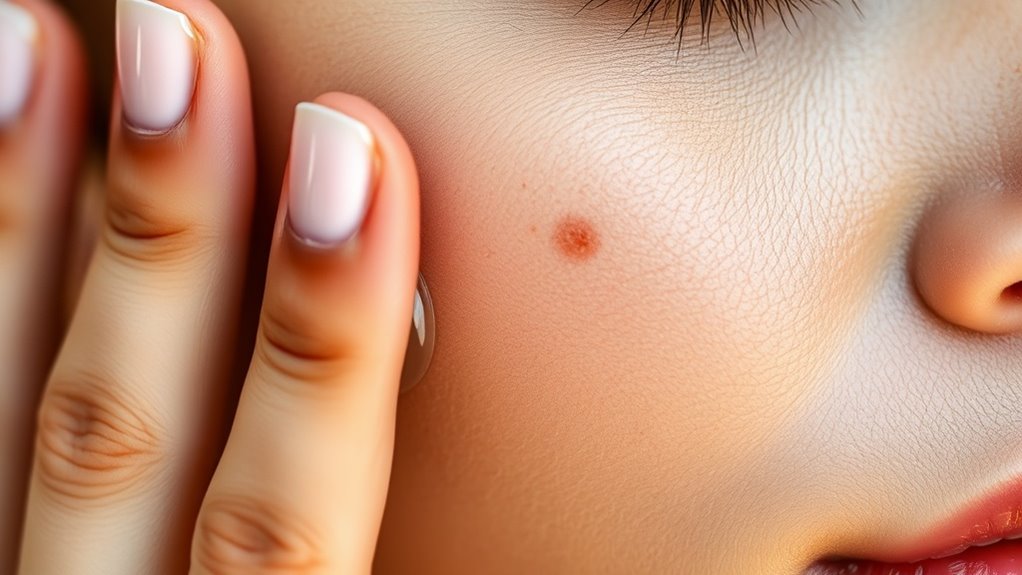
While carefully formulated vitamin C serums address existing discoloration, they won’t work effectively if your skin remains actively inflamed. Post-inflammatory hyperpigmentation develops when inflammation from acne, eczema, or injury triggers melanocytes to overproduce pigment during healing. You’ll notice brown, tan, or blue-gray patches without texture changes—particularly if you have darker skin tones with higher melanin response.
Your initial priority involves treating the underlying inflammatory condition before applying depigmenting agents. Prompt management reduces PIH severity and accelerates resolution. Avoid aggressive treatments that risk further irritation and rebound hyperpigmentation.
Apply SPF 30+ broad-spectrum sunscreen daily, as UV exposure considerably worsens existing discoloration.
PIH naturally fades over months to years, though epidermal pigmentation responds better than dermal deposits. Patient, stepwise intervention yields ideal outcomes.
Rose Water and Aloe Vera Combination for Comfort
The combination of rose water and aloe vera gel creates a clinically rational approach to managing inflammation-triggered hyperpigmentation. Rose water’s astringent properties normalize pH levels while delivering antioxidant protection, and aloe vera’s aloesin content directly inhibits melanin synthesis. Together, they address post-inflammatory hyperpigmentation‘s underlying mechanisms.
To implement this intervention:
- Prepare a toner: Mix 2 tablespoons aloe vera gel with 4 tablespoons rose water, ensuring complete dissolution before transferring to a sterile spray bottle
- Apply systematically: Use twice daily on cleansed skin, avoiding periorbital areas, then follow with appropriate serums
- Maintain consistency: Refrigerate the preparation and replace weekly to preserve bioactive compounds
This combination shows promise for melanin regulation while simultaneously reducing inflammation that perpetuates hyperpigmentation. You’ll likely observe gradual improvement with sustained application.
Weekly Treatment Schedule: Which Remedies on Which Days

Strategic sequencing of natural depigmenting agents maximizes efficacy while minimizing cumulative irritation—a balance that’s essential for sustainable results. Begin Day 1 with gentle exfoliation using oatmeal or low-strength glycolic acid once weekly to enhance ingredient penetration.
Day 2 incorporates hydrating masks—honey-turmeric or sandalwood-orange formulations—applied for 7-15 minutes. Day 3 introduces brightening treatments: vitamin C serum mornings, licorice extract once daily, and 15-20% azelaic acid nightly targeting hyperpigmentation.
Days 4-5 emphasize protection with SPF 30+ sunscreen and repair via niacinamide or aloe vera gel applied 3-4 nights weekly. Days 6-7 maintain hydration through water intake and antioxidant-rich foods while repeating Sunday exfoliation. Start active ingredients twice weekly, gradually increasing to three applications. With consistent adherence, spots typically fade within 6-12 months.
Patch Testing Protocol Before Full Face Application
Before applying any natural depigmenting agent to hyperpigmented areas, you’ll need to conduct systematic patch testing to identify potential allergens and irritants that could worsen inflammation-mediated melanogenesis. Select a quarter-sized area on the underside of the arm or elbow bend—locations resistant to inadvertent removal through washing or friction.
Follow this protocol:
- Apply the natural remedy as intended for facial use, leaving wash-off formulations on skin for five minutes before rinsing
- Monitor the test site twice daily for 7-10 days, checking for erythema, edema, vesiculation, or pruritus
- Discontinue testing immediately if adverse reactions develop; consult a dermatologist before proceeding
Avoid scratching or irritating the test area throughout the observation period. Only advance to facial application after completing the full surveillance window without reactivity.
Tracking Your Progress: Week-by-Week Expectations
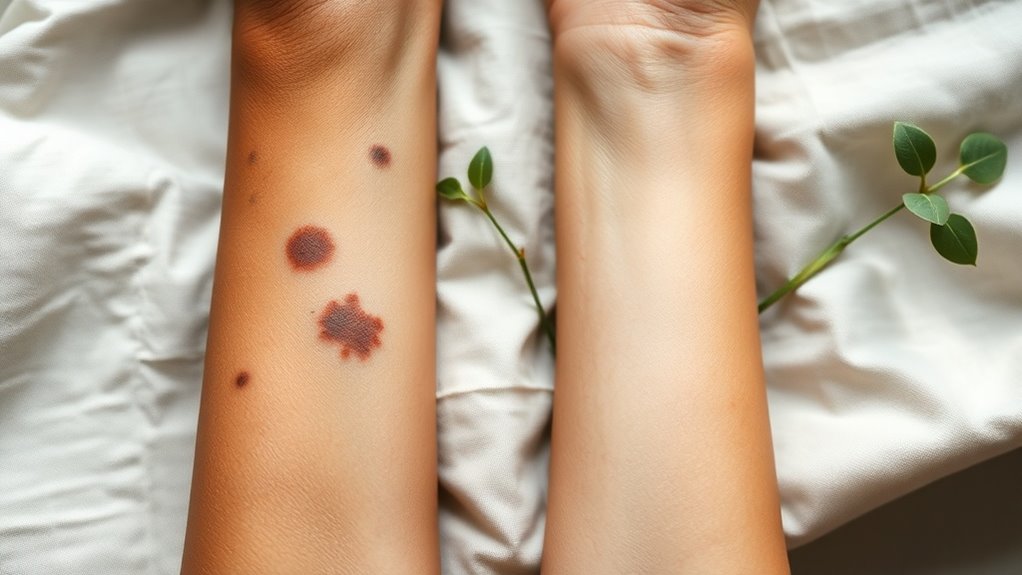
Once you’ve completed patch testing and begun your natural treatment regimen, establishing realistic timeline expectations prevents premature discontinuation due to perceived inefficacy. During week one, you’ll experience mild peeling, redness, or sensitivity—initial reactions indicating cellular turnover—while dark spots remain fully visible.
Weeks two through four bring subtle edge lightening and superficial spot fading, though complete disappearance won’t occur. Clinical data demonstrates 77% of users show reduced spot visibility after four weeks.
Between weeks four and eight, noticeable lightening emerges alongside improved skin tone uniformity. Weeks eight through twelve yield significant hyperpigmentation reduction for many patients.
Natural treatments typically deliver strong results within three to six months, achieving 40-60% lightening with consistent application. Ideal outcomes require twelve-plus weeks of adherence.
Combining Niacinamide With Acetyl Glucosamine for Enhanced Results
While single-ingredient treatments demonstrate measurable efficacy against hyperpigmentation, combining niacinamide with N-acetyl glucosamine produces superior results through complementary biochemical pathways. This synergistic pairing interrupts melanin production signals at multiple intervention points, yielding enhanced depigmentation outcomes.
Clinical evidence supports specific concentration ratios for ideal results:
- 2% N-acetyl glucosamine + 4% niacinamide outperforms N-acetyl glucosamine monotherapy in double-blind studies
- 8-week application protocols demonstrate measurable improvements in age spots, liver spots, and facial hyperpigmentation
- Enhanced penetration depth reaches the top 10 skin layers where melanocytes actively produce pigment
You’ll experience additional benefits beyond pigmentation correction, including improved ceramide production, strengthened moisture barriers, and reduced inflammation. Both ingredients exhibit excellent tolerability profiles with high formulation stability across skin types.
Evening Routine: Layering Multiple Natural Treatments Correctly
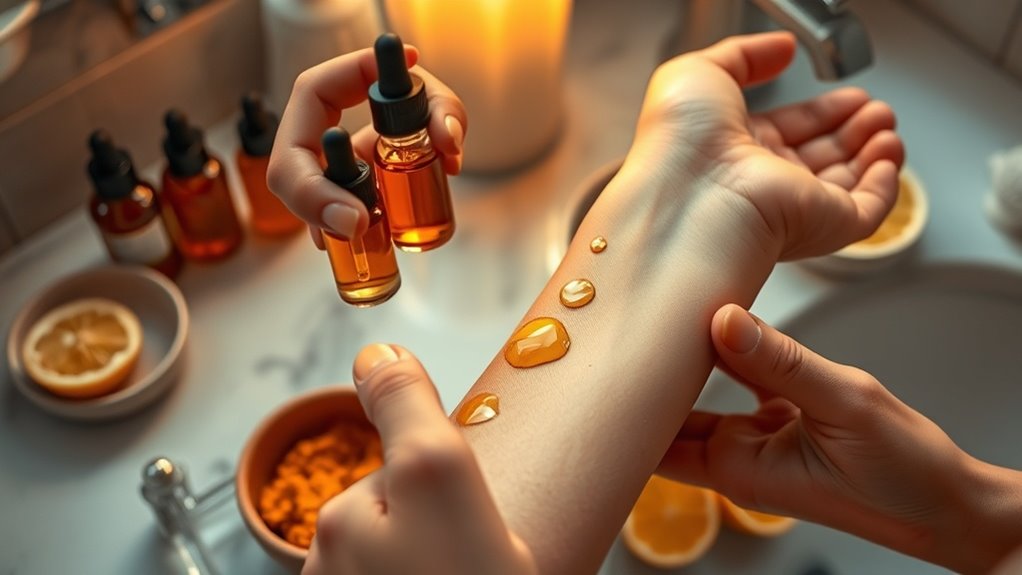
Strategic sequencing of multiple depigmenting treatments maximizes their individual mechanisms while minimizing cumulative irritation that could trigger paradoxical darkening. Begin with gentle cleansing to remove occlusive barriers, then apply chemical exfoliants (AHA 5–10% or BHA 1–2%) on designated nights—1–3 times weekly depending on tolerance.
Alternate exfoliation nights with retinoid application to prevent barrier disruption. Layer water-based brightening serums (tranexamic acid, azelaic acid, niacinamide) before oil-based formulations, optimizing penetration. Follow with barrier-restoring moisturizer to mitigate transepidermal water loss. Seal dry areas with occlusives to prolong overnight contact time.
Avoid simultaneous strong acids with retinoids; stagger intensive spot treatments to alternate nights. Introduce one active every 2–4 weeks, patch-testing first. Clinical studies demonstrate significant hyperpigmentation improvement over 8–12 weeks when paired with rigorous photoprotection.
Maintaining Results Beyond 30 Days With Continued Protection
After achieving initial dark spot reduction, sustained photoprotection becomes the definitive factor separating temporary improvement from lasting clarity. You’ll need broad-spectrum SPF 30 minimum daily—even on overcast days—since UV penetration darkens existing hyperpigmentation and triggers new melanin production. Reapplication every two hours during outdoor exposure maintains protective efficacy.
Beyond sunscreen, your maintenance protocol should include:
- Active ingredient continuation: Vitamin C, niacinamide, or tranexamic acid maintain evenness; 63% hyperpigmentation reduction documented after three months of consistent application
- Strategic sun avoidance: Limit exposure between 10 a.m. and 4 p.m. when UV intensity peaks
- Periodic professional treatments: Spaced microdermabrasion or chemical peels sustain exfoliation benefits when combined with rigorous photoprotection
Results accumulate gradually—patience with protective measures determines long-term outcomes.
Frequently Asked Questions
Can I Use Natural Dark Spot Treatments During Pregnancy or Breastfeeding?
Yes, you can use natural dark spot treatments like vitamin C, azelaic acid, niacinamide, and licorice root extract during pregnancy and breastfeeding. However, you’ll need to avoid retinoids, hydroquinone, and certain essential oils that aren’t pregnancy-safe.
Do Dark Spots Return Faster if I Skip Sunscreen Occasionally?
Yes, you’d think occasional skips wouldn’t matter—but UV triggers melanocytes rapidly. Even intermittent lapses can reactivate pigment production within weeks, especially in previously treated areas. Daily broad-spectrum SPF ≥30 is essential to prevent recurrence.
Will Natural Remedies Work on Older Dark Spots From Years Ago?
Yes, natural remedies can fade older dark spots, though you’ll need patience. Aloe vera, licorice root extract, and turmeric show depigmentation effects on age-related spots, but expect gradual improvements over weeks to months with consistent application.
Can I Use Makeup Over Natural Treatments During the Day?
Yes, you can layer makeup over natural treatments if you let serums fully absorb first, use noncomedogenic products, and apply broad-spectrum sunscreen between treatment and makeup to prevent UV-induced worsening of hyperpigmentation.
Do Dietary Changes Help Natural Remedies Work Faster for Dark Spots?
Ironically, you’re likely ignoring your most powerful skincare tool—your fork. Yes, dietary changes profoundly accelerate natural remedies’ effectiveness. Antioxidants, omega-3s, and vitamins C and E enhance melanin regulation, reduce inflammation, and optimize topical treatment absorption for faster dark spot fading.
References
- https://psrihospital.com/home-remedies-to-remove-dark-spots-on-the-face-naturally/
- https://www.healthline.com/health/home-remedies-for-pigmentation
- https://vitalskinderm.com/blog/how-to-naturally-get-rid-of-sunspots/
- https://www.vinmec.com/eng/blog/home-remedies-for-skin-pigmentation-how-to-get-rid-of-dark-spots-en
- https://pmc.ncbi.nlm.nih.gov/articles/PMC5843359/
- https://us.comfortzoneskin.com/blogs/blog/how-to-naturally-remove-dark-spots-on-face-fast
- https://www.youtube.com/watch?v=j3yc9NMeGjk
- https://health.ucdavis.edu/blog/cultivating-health/want-to-get-rid-of-age-spots-tips-to-prevent-and-reduce-dark-spots/2024/06
- https://www.aad.org/public/diseases/acne/diy/skin-color
- https://pmc.ncbi.nlm.nih.gov/articles/PMC10544009/