 By Sarah Jones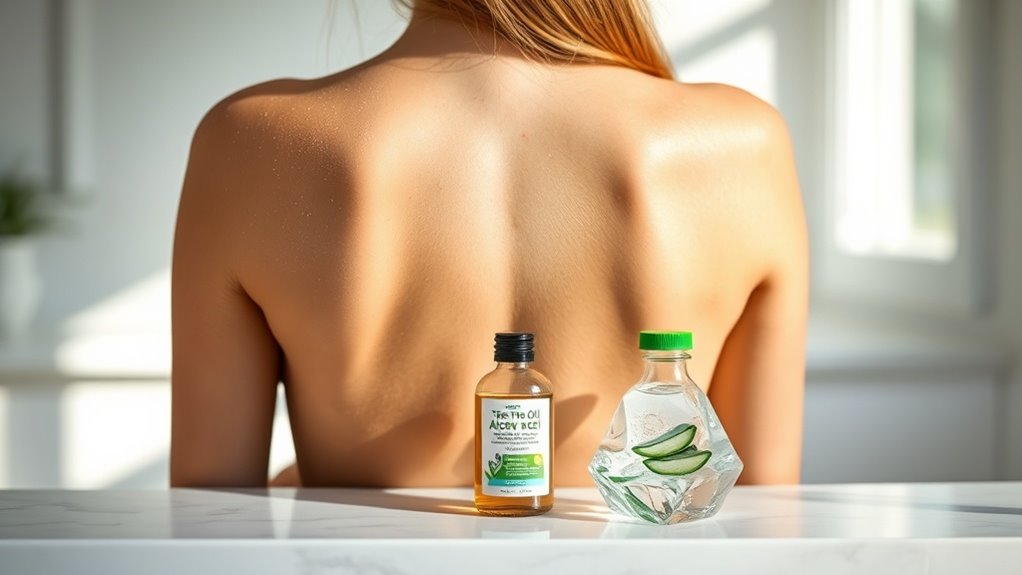
To finally clear your back acne, you’ll need a multi-pronged approach that targets excess oil production and bacteria. Start by using a benzoyl peroxide or salicylic acid body wash immediately after sweating, and change into breathable cotton clothing. Apply diluted tea tree oil or apple cider vinegar to affected areas, and exfoliate gently twice weekly. If natural remedies don’t provide sufficient results, dermatological treatments like oral antibiotics or light therapy can offer more dramatic improvements.
Understanding the Root Causes of Back Acne
While facial acne receives the most attention, back acne (bacne) develops through similar mechanisms but with unique contributing factors.
Your back’s larger pores and thicker skin make it prone to excess oil production and bacterial growth. Friction from tight clothing, sweaty workouts, and delayed showering can trap bacteria against your skin, leading to inflammation and breakouts. Understanding these root causes is essential for effective back acne remedies. Hormonal fluctuations, genetics, and dietary factors also play significant roles.
Your back’s skin produces more sebum than facial skin, and dead skin cells can accumulate more readily, creating an ideal environment for acne-causing bacteria. This is compounded by the presence of higher oil glands on the back, making it more susceptible to persistent breakouts.
Natural Remedies and DIY Solutions
For those seeking natural alternatives to commercial treatments, several evidence-based home remedies can effectively combat back acne.
Mix apple cider vinegar with water in a 1:3 ratio and apply it to affected areas using a cotton ball.
Tea tree oil’s antimicrobial properties make it effective when diluted with a carrier oil.
You’ll find relief with green tea compresses, which reduce inflammation and kill bacteria.
A paste of honey and turmeric provides both antibacterial and anti-inflammatory benefits.
For exfoliation, combine sea salt with coconut oil to create a natural scrub that removes dead skin cells and unclogs pores.
Incorporating essential natural ingredients such as aloe vera into your routine can also enhance healing and skin regeneration.
Medical Treatments and Professional Care Options
When over-the-counter treatments and natural remedies don’t provide sufficient relief, medical professionals can offer more powerful solutions for persistent back acne.
Your dermatologist may prescribe topical medications like tretinoin, adapalene, or clindamycin to combat bacteria and unclog pores.
For severe cases, oral antibiotics such as doxycycline or isotretinoin (Accutane) can effectively reduce inflammation and control breakouts.
Professional treatments like chemical peels, light therapy, or laser procedures target deep-seated acne and scarring.
These clinical interventions, while more expensive than at-home remedies, often deliver faster and more dramatic results under medical supervision.
Prevention Tips and Daily Skincare Routine
Maintaining a consistent daily skincare routine forms the foundation of back acne prevention.
You’ll need to shower immediately after sweating, using a benzoyl peroxide or salicylic acid body wash. Change your clothes promptly after exercise to prevent bacteria buildup.
Choose non-comedogenic skincare products and launder your sheets weekly with hypoallergenic detergent.
Avoid tight-fitting synthetic fabrics that trap moisture and opt for breathable cotton materials. Keep your hair off your back and don’t use heavy conditioners that can clog pores.
Regular exfoliation with gentle scrubs or chemical exfoliants helps prevent dead skin cell accumulation that leads to breakouts. Incorporating hydration strategies is also crucial, as staying hydrated supports overall skin health and can reduce acne flare-ups.
Lifestyle Changes for Long-Term Results
Beyond daily skincare practices, lasting back acne improvement requires strategic lifestyle modifications.
Switch to breathable, moisture-wicking fabrics to minimize sweat accumulation. Shower immediately after exercise to remove bacteria-breeding perspiration. Clean your sheets weekly and change pillowcases every two days to prevent bacterial transfer.
Optimize your diet by reducing dairy, refined sugars, and high-glycemic foods that trigger inflammation. Increase your intake of zinc-rich foods, omega-3 fatty acids, and antioxidants. A high-fiber diet can also support digestive health and prevent acne flare-ups.
Manage stress through meditation or exercise, as cortisol spikes can stimulate excess sebum production. Stay hydrated by drinking at least 64 ounces of water daily.