 By Sarah Jones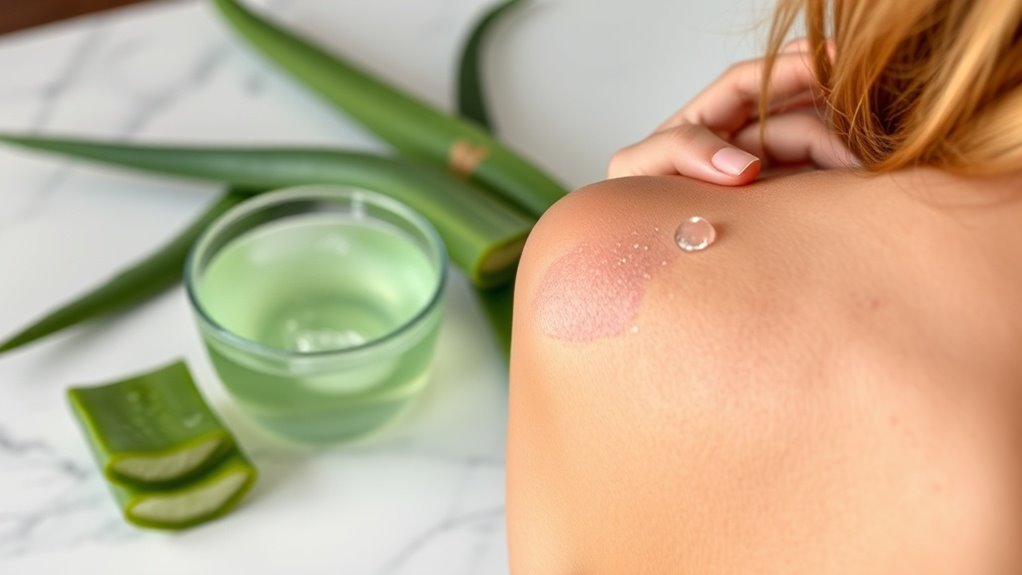
After-Sun Care- Sunburn Remedies to Save Your Skin
For effective after-sun care, you’ll need to act quickly to minimize skin damage. Cool the affected area with lukewarm showers or compresses for 10-15 minutes, then apply moisturizers containing aloe vera while skin is damp. Take ibuprofen to reduce inflammation and increase your water intake. Natural remedies like cold yogurt, honey, or green tea can provide relief. The right treatment approach can make the difference between prolonged discomfort and faster healing.
Understanding Sunburn and Its Effects on Skin
When ultraviolet (UV) radiation penetrates the skin, it triggers a complex inflammatory response that manifests as sunburn. Your skin cells release inflammatory mediators, causing blood vessels to dilate and fluid to accumulate. This results in redness, swelling, and pain within 4-6 hours of exposure.
DNA damage occurs at the cellular level, prompting your body to initiate repair mechanisms. While proper sun protection can prevent this damage, after-sun care becomes crucial once burning occurs. Sunburn acts as a protective mechanism to prevent cancerous mutations in damaged skin cells.
You’ll experience peeling as your body sheds damaged cells, typically starting 3-7 days post-exposure. Long-term UV exposure can accelerate aging and increase skin cancer risk.
Essential First Aid Steps for Sunburned Skin
Once you notice signs of sunburn, taking immediate action can help minimize damage and alleviate discomfort.
Get out of the sun immediately and cool your skin with a 10-15 minute lukewarm shower or bath. Apply a cold, damp compress to affected areas for temporary relief.
Stay hydrated by drinking extra water, as sunburns can cause fluid loss. Use an over-the-counter moisturizer containing aloe vera within minutes of bathing while skin is still damp. Natural remedies like aloe vera can effectively soothe without irritation to provide relief.
Take ibuprofen or other NSAIDs to reduce inflammation and pain. Don’t pop blisters if they form, as this increases infection risk.
Natural Remedies From Your Kitchen
Many effective sunburn treatments can be found right in your kitchen cabinets and refrigerator. Cool plain yogurt contains probiotics and lactic acid that reduce inflammation and promote healing. Apply raw honey directly to affected areas – its natural antibacterial properties help prevent infection while moisturizing burned skin. Cold-steeped green tea bags can soothe discomfort due to their polyphenol content. Blend chilled cucumber with aloe vera gel for a cooling compress that hydrates and reduces redness. Cold whole milk compresses work effectively because of their protein and fat content. Apple cider vinegar’s acetic acid helps restore skin’s pH balance and reduces blistering. Additionally, the benefits of natural anti-inflammatory compounds can complement these remedies for enhanced skin recovery.
Soothing Products and Treatments
Although natural remedies offer relief, several over-the-counter products specifically formulated for sunburn care can provide targeted healing. Look for lotions containing aloe vera, lidocaine, or hydrocortisone to reduce pain and inflammation.
Products with vitamin E and niacinamide help repair damaged skin cells, while those containing glycerin and hyaluronic acid maintain hydration.
For severe burns, you’ll find cooling gels with menthol particularly effective. Anti-inflammatory medications like ibuprofen can reduce swelling and discomfort.
Consider specialized after-sun sprays containing panthenol and allantoin, which promote skin regeneration while offering a convenient hands-free application for sensitive areas.
When to Seek Medical Attention
While most sunburns can be treated at home, certain symptoms require immediate medical attention. Seek emergency care if you experience severe blistering covering more than 20% of your body, signs of infection including pus or red streaks, fever above 101°F, or intense pain that doesn’t respond to over-the-counter medication.
Watch for symptoms of heat exhaustion or heatstroke, including confusion, dizziness, rapid pulse, or severe headache.
You’ll also need medical evaluation if you develop widespread purple discoloration, extreme swelling, or signs of dehydration like decreased urination.
These complications can indicate serious skin damage or systemic reactions requiring professional treatment.
Preventing Further Damage During Healing
Several key actions can protect your damaged skin during the healing process.
Stay out of direct sunlight until your skin has fully healed, and wear loose-fitting, tightly woven clothing that covers affected areas.
Apply broad-spectrum SPF 30+ sunscreen to any exposed skin, even if you’re just walking to your car or sitting near windows.
Don’t peel loose skin, as this can lead to infection and scarring.
Keep the burned area clean and avoid harsh soaps or exfoliants.
Skip makeup application on sunburned facial skin, and don’t use petroleum-based products, which can trap heat and worsen burning sensations.
Long-term Skin Care After Sunburn
Once your sunburn heals, maintaining proper skin care becomes a long-term commitment to protect and repair sun-damaged skin cells.
Apply broad-spectrum SPF 30+ sunscreen daily, even on cloudy days. Choose products containing antioxidants like vitamin C and E to neutralize free radicals and support collagen production.
Incorporate retinoids into your nighttime routine to promote cell turnover and reduce sun damage. Stay hydrated and use moisturizers with ceramides and hyaluronic acid to strengthen your skin barrier.
Schedule annual skin checks with a dermatologist to monitor for potential skin cancer development, as sunburns increase your melanoma risk.