 By Sarah Jones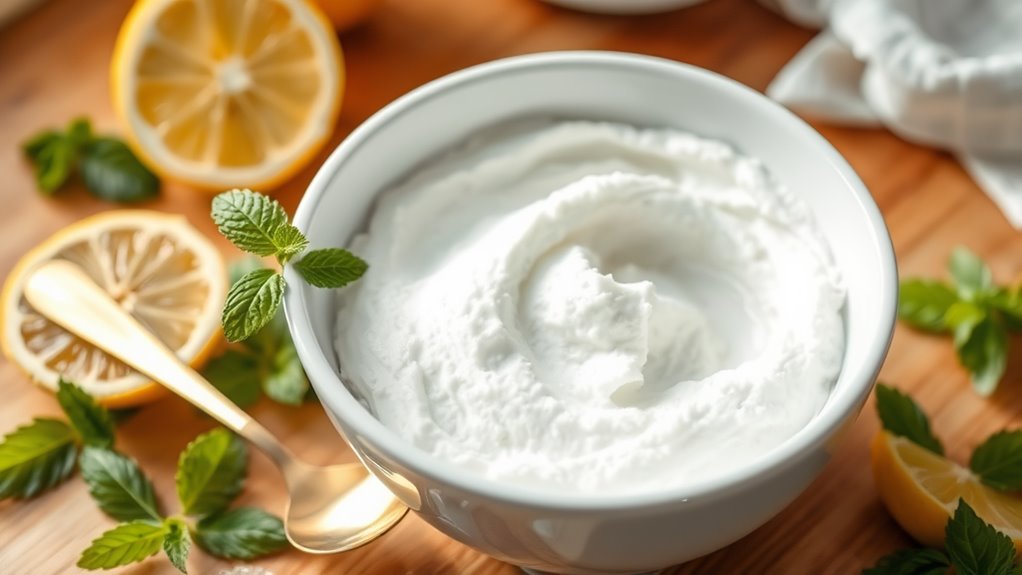
Baking Soda Face Mask- The Skin Secret You Can’t Ignore!
Baking soda face masks are a skincare secret you can’t ignore! They act as a gentle exfoliant, removing dead skin cells and balancing your skin’s pH. If you have oily or acne-prone skin, this natural remedy helps absorb excess oil and fight breakouts. To make the mask, mix two tablespoons of baking soda with one tablespoon of water until it’s a smooth paste. Apply a thin layer for about 10 minutes, avoiding your eyes. Rinse with warm water, and follow up with a moisturizer for best results. Stick around, and you’ll discover even more tips for glowing skin!
Benefits of Baking Soda
Baking soda is a versatile powerhouse in skincare, offering numerous benefits for your complexion. It works as a gentle exfoliant, helping to slough away dead skin cells and reveal a fresh, radiant face.
You’ll find that its natural antibacterial properties can combat acne, reducing breakouts and promoting clearer skin. Plus, baking soda helps balance your skin’s pH, which can soothe irritation and redness.
If you’re dealing with oily skin, it absorbs excess oil, leaving your face feeling clean and refreshed. Additionally, its mild whitening effect can brighten your skin tone, helping to fade dark spots over time.
With all these benefits, incorporating baking soda into your skincare routine can lead to a healthier, more vibrant complexion.
How to Prepare the Mask
To create a baking soda face mask, you’ll need just a few simple ingredients that are likely already in your kitchen. Grab two tablespoons of baking soda and mix it with one tablespoon of water in a bowl. Stir until it forms a smooth paste.
If you want to enhance the mask, consider adding a teaspoon of honey for its moisturizing properties or a few drops of lemon juice to brighten your skin. Once you’ve mixed your ingredients, verify the paste isn’t too runny; it should stick well to your skin.
If it’s too thick, add a little more water. Now you’re ready to move on to applying the mask for a revitalizing skincare boost!
Application Techniques
Once you’ve mixed your baking soda mask, it’s important to apply it correctly for the best results.
Start by cleansing your face to remove any dirt or makeup, ensuring your skin is prepped for treatment. Use clean fingers or a brush to gently spread the mask over your face, avoiding the eye area. Apply a thin layer, focusing on areas that need extra attention.
Allow the mask to sit for about 10 minutes; you might feel a slight tingling sensation, which is normal. Rinse it off with warm water, gently massaging in circular motions to exfoliate.
Follow up with a moisturizer to keep your skin hydrated. Remember, consistent application will yield the best outcomes for your skin!
Skin Types and Considerations
When considering a baking soda face mask, it’s crucial to assess your skin type and any specific sensitivities you might have.
If you have oily or acne-prone skin, baking soda can help absorb excess oil and exfoliate dead skin cells. However, if your skin is dry or sensitive, using baking soda might cause irritation or further dryness.
You might want to patch-test the mask on a small area first to see how your skin reacts. For combination skin, apply the mask only on the oily areas.
Always remember to follow up with a good moisturizer afterwards, as baking soda can disrupt your skin’s natural moisture barrier.
Tailoring your approach guarantees you reap the benefits without compromising your skin’s health.
Potential Side Effects
Even with its benefits, using a baking soda face mask can come with potential side effects that you should be aware of.
First, it can cause skin irritation, especially if you have sensitive skin. You might experience redness, dryness, or a burning sensation after application. If you leave the mask on for too long, it may lead to over-exfoliation, stripping your skin of its natural oils.
Additionally, baking soda has a high pH level, which can disrupt your skin’s acid mantle, leading to imbalances. If you have open wounds or acne, applying this mask may worsen your skin condition.
Always conduct a patch test before using it, and listen to what your skin tells you to avoid any adverse reactions.
Tips for Best Results
To achieve the best results with your baking soda face mask, it’s essential to prepare your skin properly before application.
Start by cleansing your face to remove dirt and oil, ensuring a clean surface for the mask. Next, gently exfoliate to eliminate dead skin cells, which helps the mask penetrate better.
When mixing your mask, use just enough water to form a paste; too much can dilute its effectiveness. Apply the mask evenly, avoiding sensitive areas like your eyes and mouth.
Leave it on for about 10-15 minutes, then rinse with lukewarm water. Always follow up with a moisturizer, as baking soda can be drying.
Finally, test the mask on a small area first to check for any adverse reactions.
Frequently Asked Questions
Can Baking Soda Help With Acne Scars?
Yes, baking soda can help with acne scars. It acts as a gentle exfoliant, promoting skin cell turnover. Just remember to use it sparingly to avoid irritation, and always follow up with moisturizer to keep your skin hydrated.
How Often Should I Use a Baking Soda Mask?
You should use a baking soda mask once a week to avoid over-exfoliating your skin. If you notice any irritation, reduce the frequency or consider alternative treatments that might suit your skin better.
Is Baking Soda Safe for Sensitive Skin?
About 60% of people with sensitive skin report irritation from baking soda. If you’ve got sensitive skin, it’s best to test a small area first. You might find it’s too harsh for your complexion.
Can I Mix Baking Soda With Other Ingredients?
Yes, you can mix baking soda with other ingredients! Just be cautious and test a small area first. Combining it with honey, yogurt, or water can enhance its benefits and create a more effective treatment for your skin.
What Should I Do if I Experience Irritation?
If you experience irritation, stop using the product immediately. Rinse your skin with cool water, and apply a soothing moisturizer. If irritation persists, consult a dermatologist for tailored advice and treatment options.