Your pounding head doesn’t have to be a life sentence. While over-the-counter medications offer quick relief, you’ll find that evidence-based natural remedies can effectively manage and prevent headaches without pharmaceutical side effects. Research demonstrates that specific essential oils, targeted supplement protocols with precise dosing, and strategic temperature therapy provide measurable results. Understanding which interventions work for your particular headache type—and why they’re effective—means you can finally take control of your symptoms before they control you.
Aromatherapy: Essential Oils for Headache and Migraine Relief
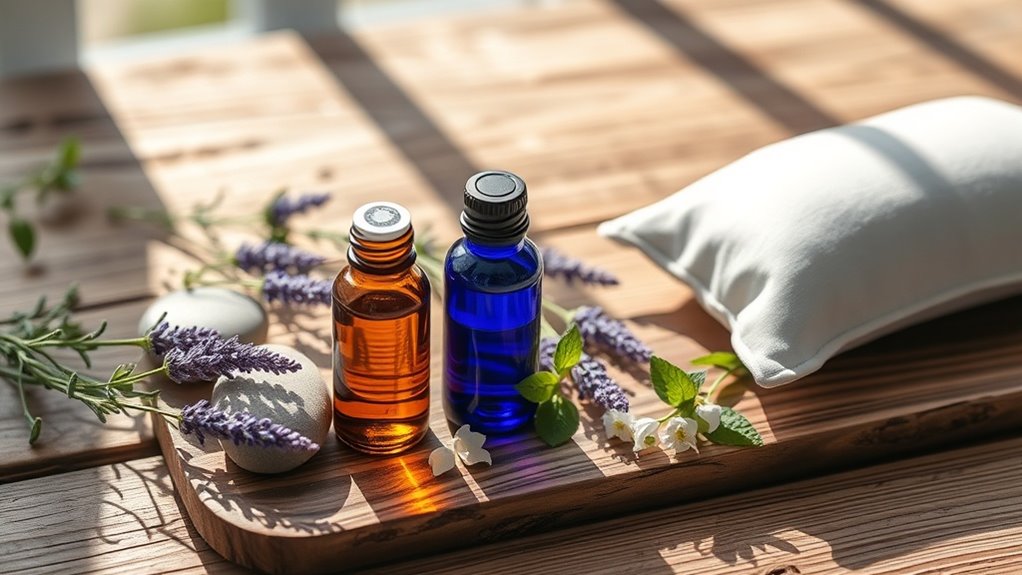
Three essential oils—lavender, peppermint, and eucalyptus—have demonstrated measurable effects on headache intensity in controlled trials, though the evidence quality varies considerably across different headache types. You’ll find lavender inhalation may reduce acute migraine severity through GABAergic modulation, while peppermint’s menthol activates TRPM8 receptors to produce local analgesia when applied topically at 10% concentration. Eucalyptus provides headache and migraine relief primarily through anti-inflammatory and decongestant mechanisms mediated by 1,8-cineole.
Apply diluted formulations topically to temples and forehead, or use inhalation via diffuser for 15-30 minutes during attacks. You must dilute essential oils in carrier oils before skin application to prevent irritation. Evidence remains mixed—pooled analyses show no significant reduction in attack frequency versus placebo, though individual trials report improved pain intensity and quality-of-life measures for headache and migraine relief. Ginger oil has also shown effectiveness in reducing migraine attack frequency when used in massage applications. Additionally, tea tree oil may provide supplementary benefits by fighting infections and boosting immunity, which can help address underlying causes of tension headaches.
Vitamins and Herbal Supplements That Prevent Migraines
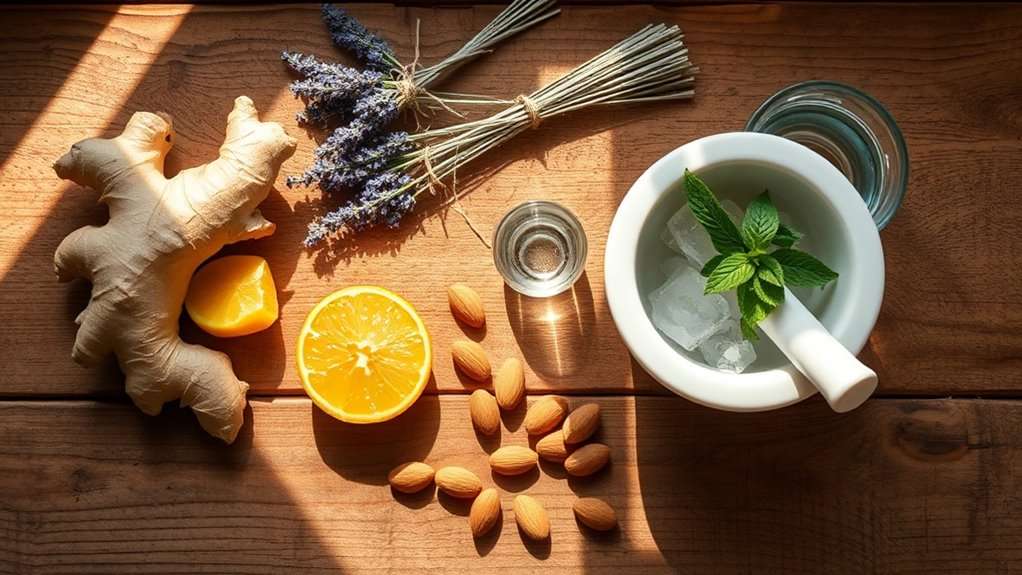
While topical and aromatic approaches address acute headache symptoms, specific vitamins and herbal supplements target the underlying pathophysiology to reduce migraine frequency when taken prophylactically. Riboflavin 400 mg daily improves mitochondrial energy metabolism, reducing attacks by approximately 1.34 per month after three months.
Magnesium 400–600 mg (elemental) corrects neuronal ion channel dysfunction, decreasing monthly migraine days by 1.66 in meta-analyses; magnesium glycinate minimizes diarrhea compared to oxide formulations. Coenzyme Q10 100–300 mg daily enhances mitochondrial electron transport, yielding 1.73 fewer attacks monthly.
B-vitamin combinations—folic acid 2 mg, B6 25–80 mg, B12 400–500 μg—lower homocysteine and reduce headache frequency and disability. Omega-3 fatty acids from fish oil inhibit production of inflammatory cytokines and suppress oxidative stress, with high-dose EPA particularly effective for improving quality of life in migraine sufferers. L-theanine from green tea reduces stress responses and promotes alpha brain wave activity, which may help prevent tension-related headaches. You’ll need at least three months of consistent supplementation to assess clinical response. Track your progress with a headache diary.
Cold and Heat Therapy for Immediate Pain Relief
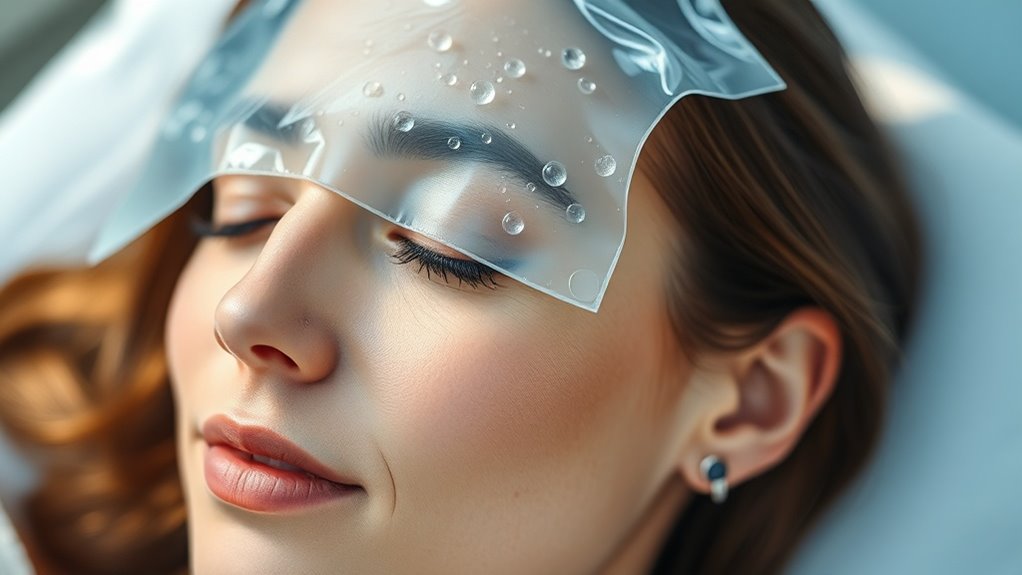
Cold therapy delivers immediate physiological relief by constricting extracranial blood vessels, slowing nerve conduction to reduce pain signal transmission, and lowering inflammatory mediator release in treated tissues. Randomized trials demonstrate that frozen neck wraps targeting the carotid territory reduce pain by 31.8% at 30 minutes (P<0.001), while cold gel caps applied to the forehead show a standardized mean difference of −3.21. You’ll achieve ideal results with 25–60 minute applications at migraine onset.
Meta-analyses confirm short-term efficacy but only low-certainty evidence for sustained 24-hour relief. Apply cold with a cloth barrier to prevent frostbite. Similar to how cold therapy reduces inflammatory response in sunburned skin, the same anti-inflammatory mechanisms help alleviate headache pain. Intraoral cooling devices and ice massage offer alternative delivery methods with documented acute analgesic effects, though protocol heterogeneity limits long-term efficacy conclusions. Heat therapy may work by relaxing tense muscles and improving blood circulation, though evidence remains more limited compared to cold interventions.
Lifestyle Modifications: Hydration, Exercise, and Meditation
Because dehydration directly triggers headache pathophysiology through reduced cerebral blood flow and electrolyte imbalance, increasing your daily water intake by 1.5 liters demonstrates measurable therapeutic effects. Clinical trials show this intervention reduces total headache hours by 21 over two weeks and improves Migraine-Specific Quality of Life scores by 4.5 points (95% CI: 1.3-7.8), with 47% of patients reporting significant relief.
Complementary lifestyle modifications include:
- Regular aerobic exercise to maintain fluid regulation and prevent exercise-induced dehydration (>1.4% body weight loss impairs cognition and triggers migraines)
- Stress management through meditation reduces moderately intense episodes when combined with hydration protocols
- Consistent daily water consumption targeting >2.5L for chronic headache patients with baseline low intake
Though trial quality remains limited, evidence supports these non-pharmacological interventions for headache prevention. Notably, even mild dehydration of 1-3% body weight loss can impair mood and increase fatigue, compounding headache symptoms and reducing overall quality of life. Additionally, maintaining home humidity levels between 30-50% may provide supplementary benefits for headache sufferers by preventing environmental factors that could worsen symptoms.
How to Create Your Personalized Natural Headache Treatment Plan
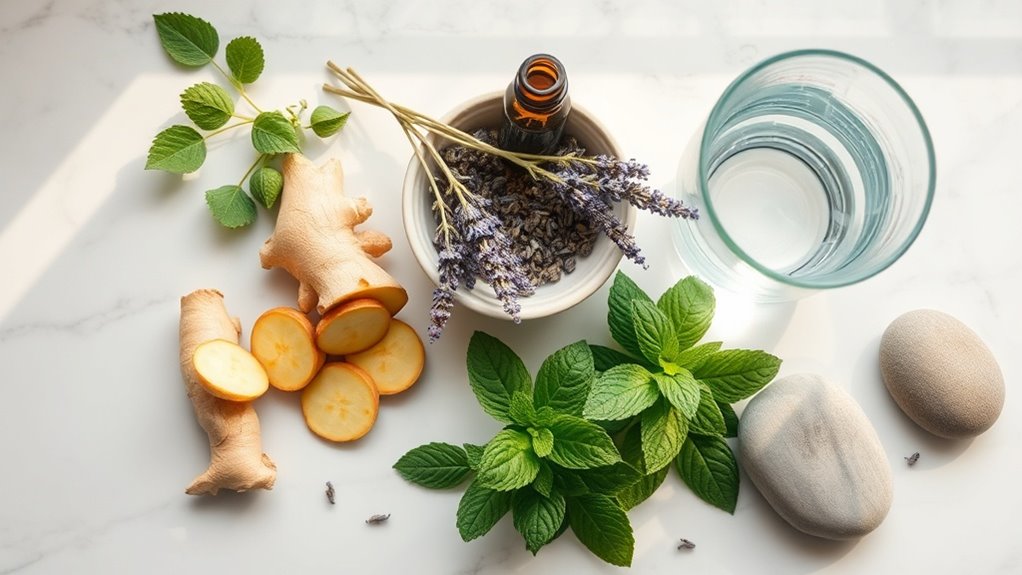
Creating an effective natural headache treatment plan requires stratifying your headache type using International Classification of Headache Disorders (ICHD) criteria before selecting interventions. You’ll need to maintain a detailed headache diary documenting timing, triggers, and associated symptoms to identify patterns. Screen for comorbidities like depression, anxiety, and sleep disorders, as these modify treatment selection.
Prioritize evidence-based therapies first: biofeedback and CBT demonstrate effect sizes comparable to preventive medications. For prevention, consider riboflavin 400 mg/d, magnesium 400–600 mg/d, or coenzyme Q10 100–300 mg/d. Acupuncture provides headache frequency reduction comparable to preventive drugs in trials.
Match interventions to your trigger profile—photophobia warrants green light therapy; sleep disturbance requires CBT for insomnia. Given that 90% of migraine sufferers have a family history, understanding your genetic predisposition can inform your preventive strategy. Consider incorporating essential oils like peppermint or lavender with proper dilution for their anti-inflammatory properties. Sequence by invasiveness: start with low-cost supplements and relaxation training before escalating to neuromodulation devices.
References
- https://brainhealthct.com/naturalapproachestomanageheadaches/
- https://pubmed.ncbi.nlm.nih.gov/32310327/
- https://www.nationalmigrainecentre.org.uk/understanding-migraine/factsheets-and-resources/natural-remedies/
- https://pmc.ncbi.nlm.nih.gov/articles/PMC6629253/
- https://www.unitypoint.org/news-and-articles/9-natural-strategies-for-headache-relief-infographic
- https://health.clevelandclinic.org/natural-remedies-for-headaches
- https://americanmigrainefoundation.org/resource-library/migraine-home-remedies/
- https://www.mayoclinic.org/diseases-conditions/tension-headache/in-depth/headaches/art-20047631
- https://herbtantra.com/blogs/news/effective-relief-for-headaches-and-migraines-backed-by-clinical-studies
- https://medcraveonline.com/IPMRJ/aromatherapy-an-alternative-treatment-for-migraine-headaches.html