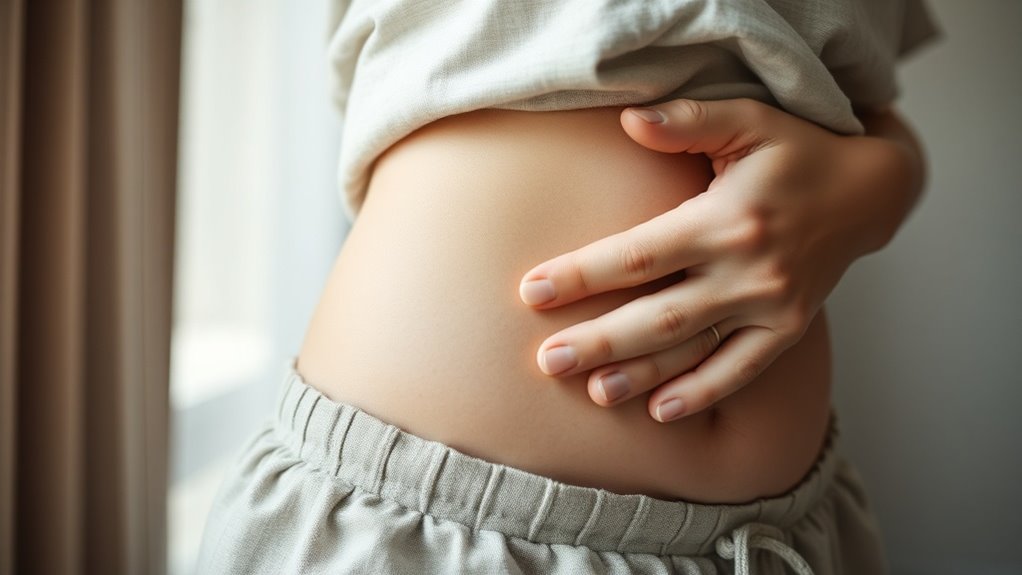
Why Does Your Belly Bloat and 7 Ways to Find Relief.
Why does your belly bloat and feel uncomfortably tight after meals? Bloating happens when gas builds up in your digestive system, often triggered by certain foods, eating too quickly, or an imbalance in your gut bacteria. It’s one of the most common digestive complaints—nearly everyone experiences it occasionally, and for some, it’s a daily struggle that affects comfort and confidence. The good news is that bloating usually isn’t serious, and understanding what’s causing yours puts you in control. In this guide, you’ll discover the seven most common triggers behind that swollen feeling and the practical solutions that actually work to prevent it. Let’s break down what’s really happening in your gut and how to find lasting relief.
Sip Peppermint Tea to Soothe Your Digestive System
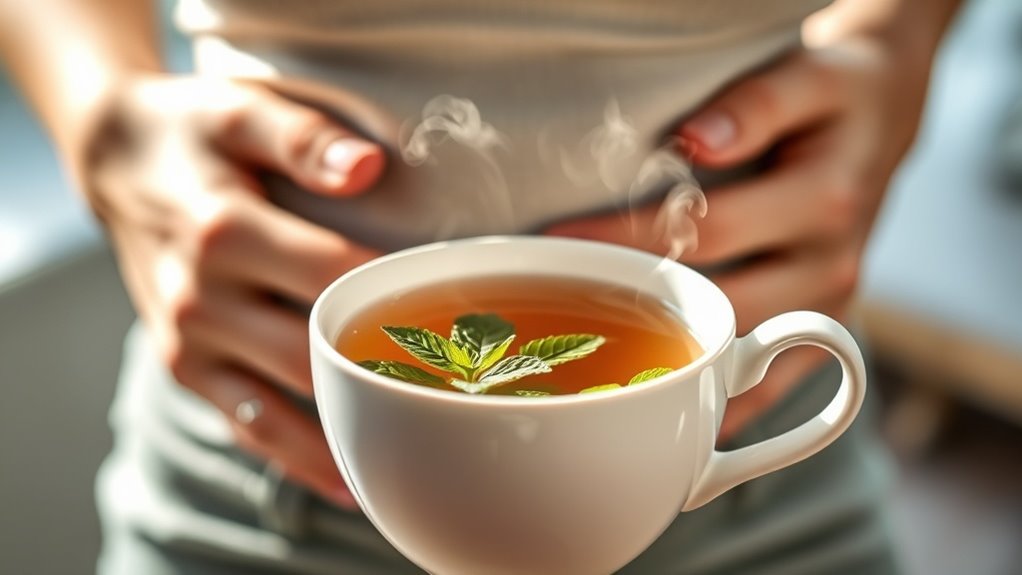
Peppermint tea contains l-menthol, a bioactive compound that directly relaxes the smooth muscle tissue lining your gastrointestinal tract. This mechanism reduces spasmodic contractions in your intestinal walls, allowing trapped gas to move through your system more efficiently.
When you’re experiencing abdominal distension, l-menthol also decreases visceral hypersensitivity, which means you’ll feel less discomfort as your digestive system processes food. Clinical studies demonstrate that peppermint’s carminative properties help expel gas from your intestines while preventing additional accumulation.
For optimal results, steep one tablespoon of fresh peppermint leaves in hot water for five minutes, then drink slowly between meals. Like peppermint, ginger root tea delivers anti-inflammatory compounds that work to ease digestive discomfort and reduce bloating. This approach makes peppermint tea one of the most effective bloated belly remedies you can implement immediately without pharmaceutical intervention.
Practice Gentle Abdominal Massage for Bloating Relief
Abdominal massage stimulates peristalsis and facilitates gas movement through your intestinal tract when performed with proper technique. You’ll achieve optimal results by applying gentle pressure in a clockwise direction, following the anatomical path of your colon from the lower right quadrant to the descending colon.
The massage’s effectiveness depends on three key factors: directional movement that mirrors colonic flow, appropriate pressure that compresses without causing discomfort, and strategic timing relative to your meals. Similar to how circular motions with firm thumb pressure can release tension in the plantar fascia, this deliberate technique helps mobilize trapped gas and supports your digestive system’s natural rhythms.
Clockwise Circular Motion Technique
When gas accumulates in your intestinal tract, applying targeted pressure through clockwise abdominal massage can stimulate peristalsis and facilitate the natural movement of trapped air through your digestive system.
This directional approach follows your colon’s anatomical pathway, beginning at the lower right quadrant (ascending colon), moving across the upper abdomen (transverse colon), and descending along the left side.
Proper Technique:
- Position yourself supine with knees bent to relax abdominal muscles and optimize access to the intestinal tract
- Apply firm, sustained pressure**** using your fingertips in slow circular motions, spending 30 seconds per quadrant
- Maintain consistent clockwise direction**** to align with natural peristaltic flow patterns
- Repeat three complete cycles twice daily, ideally before meals when your stomach’s empty
Proper Pressure and Duration
Calibrating the intensity of your abdominal massage directly impacts its therapeutic efficacy and your comfort during the procedure. Apply moderate pressure—enough to engage the abdominal wall without causing pain or discomfort. Your fingers should depress approximately one to two inches into the tissue, compressing the underlying intestinal structures while respecting the peritoneal cavity’s sensitivity.
Maintain each circular motion for 20-30 seconds per quadrant, allowing sufficient time for mechanical stimulation of peristalsis. Total massage duration should span 5-10 minutes for optimal results. You’ll know you’re applying appropriate pressure when you feel a gentle pulling sensation without sharp pain. If you experience tenderness, reduce pressure immediately. Pregnant women, individuals with inflammatory bowel disease, or those with abdominal hernias should consult healthcare providers before attempting this technique.
Best Times to Massage
Timing your abdominal massage sessions strategically maximizes digestive benefits and accelerates bloat reduction. Your gastrointestinal motility follows predictable patterns throughout the day, making certain windows more effective for intervention.
Optimal massage timing:
-
Morning (upon waking) – Stimulates the gastrocolic reflex and promotes bowel movement after overnight digestive processing
-
Before meals (30 minutes prior) – Prepares your digestive tract by increasing blood flow to intestinal smooth muscle
-
Two hours post-meal – Facilitates gastric emptying and prevents interference with active digestion
-
Evening (before bed) – Activates parasympathetic nervous system activity, reducing stress-induced gastrointestinal dysfunction
Avoid massaging immediately after eating, as this redirects blood flow away from digestive organs during critical enzymatic breakdown phases. Consistency matters more than frequency—one daily session produces better outcomes than sporadic interventions.
Drink Fennel Seed Water to Reduce Gas and Discomfort
Fennel seed water functions as a carminative agent by stimulating the production of bile and gastric enzymes while simultaneously relaxing the smooth muscle of the gastrointestinal tract. This dual mechanism reduces intraluminal gas accumulation and facilitates peristaltic movement through the digestive system.
To prepare, you’ll crush one teaspoon of fennel seeds and steep them in eight ounces of boiling water for ten minutes. Strain the liquid and consume it thirty minutes before meals or when bloating occurs.
The volatile oils—particularly anethole, fenchone, and estragole—directly target the enteric nervous system, decreasing spasmodic contractions in your intestinal walls. You’ll notice reduced distension within twenty to forty minutes post-consumption. For optimal results, drink fennel seed water twice daily, maintaining this regimen for consistent symptomatic relief from gas-related abdominal discomfort. Additionally, diaphragmatic breathing exercises performed after consuming the fennel seed water can further enhance digestive comfort by promoting relaxation of the abdominal muscles.
Add Probiotic-Rich Foods to Balance Your Gut
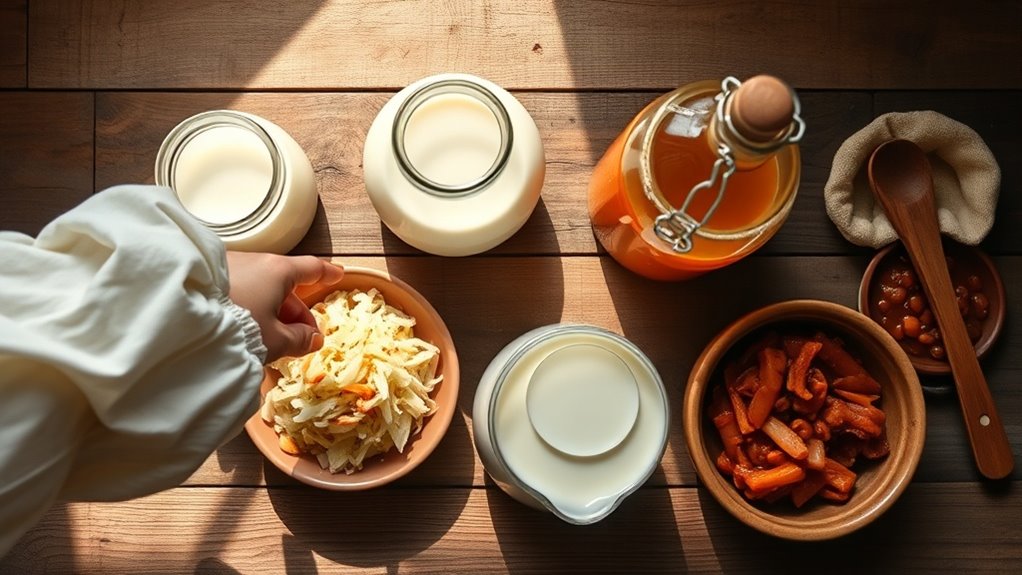
When your intestinal microbiome contains insufficient beneficial bacteria, pathogenic organisms proliferate and produce excessive hydrogen and methane gases through fermentation of undigested carbohydrates. You’ll restore microbial equilibrium by consuming live-culture foods that introduce Lactobacillus and Bifidobacterium strains to your gastrointestinal tract.
Incorporate these probiotic sources:
- Plain Greek yogurt – Contains 1 billion CFU per serving of Lactobacillus bulgaricus and Streptococcus thermophilus
- Fermented vegetables – Kimchi and sauerkraut deliver diverse bacterial strains without pasteurization
- Kefir – Provides 10-34 bacterial strains compared to yogurt’s 2-7 strains
- Miso paste – Supplies Aspergillus oryzae that enhances digestive enzyme production
You’ll notice reduced abdominal distension within 2-4 weeks as beneficial bacteria outcompete gas-producing pathogens and improve carbohydrate metabolism. For additional support, consider taking probiotic supplements containing multiple strains of Lactobacillus and Bifidobacterium to accelerate the restoration of your gut bacteria balance.
Take Digestive Enzyme Supplements Before Meals
Your pancreas may fall short in producing adequate amylase, lipase, and protease—the three primary enzymes that break down carbohydrates, fats, and proteins respectively. This enzymatic insufficiency leaves undigested food particles fermenting in your small intestine, generating excessive gas and distension.
Supplemental digestive enzymes taken 15-20 minutes before meals compensate for this deficiency. Look for broad-spectrum formulations containing alpha-galactosidase for complex carbohydrates, lactase for dairy products, and cellulase for plant fibers. Clinical studies demonstrate significant bloating reduction when you’ll supplement consistently with meals containing problematic foods.
Start with lower doses to assess tolerance, as excessive enzymes can trigger loose stools. You’ll need enteric-coated capsules that survive stomach acid and release in your duodenum, where nutrient breakdown primarily occurs. For additional support, consider pairing enzyme supplementation with fermented foods like kimchi or yogurt, which provide beneficial probiotics that work synergistically to improve overall digestive function.
Apply a Warm Compress to Relax Abdominal Muscles

Applying therapeutic heat to your abdomen triggers vasodilation of blood vessels and increases tissue elasticity, which directly relaxes the smooth muscle fibers of your gastrointestinal tract.
You’ll achieve optimal results by placing a heating pad or warm water bottle at 104-113°F (40-45°C) directly on your mid-abdomen for 15-20 minute intervals.
This localized thermotherapy reduces muscle spasm intensity and decreases visceral pain signals transmitted through your enteric nervous system.
The same warm compress technique can also soothe abdominal cramping associated with digestive disturbances and intestinal infections.
How Heat Reduces Tension
Heat application triggers vasodilation in abdominal blood vessels, increasing local circulation by up to 40% and delivering oxygen-rich blood to cramped muscle fibers. This enhanced perfusion facilitates metabolite removal while promoting muscular relaxation through the following mechanisms:
- Temperature elevation (104-113°F) activates thermoreceptors, blocking pain signal transmission to your spinal cord
- Increased tissue elasticity reduces mechanical stiffness in smooth muscle layers of your gastrointestinal tract
- Parasympathetic nervous system activation counteracts stress-induced abdominal tension and promotes peristaltic motility
- Endorphin release provides natural analgesic effects within 15-20 minutes of heat exposure
You’ll achieve optimal results by maintaining consistent warmth for 20-30 minutes, allowing adequate time for physiological changes to reduce bloating-related discomfort.
Best Application Methods
Three primary methods deliver therapeutic heat effectively to your abdominal region: electric heating pads, microwaveable gel packs, and hot water bottles.
Electric heating pads provide consistent temperature control between 104-113°F, targeting the rectus abdominis and transverse abdominal muscles. You’ll position the pad directly over your lower quadrants for 15-20 minutes.
Microwaveable gel packs offer portable heat retention, conforming to your abdominal contours when wrapped in cloth to prevent thermal injury.
Hot water bottles distribute moist heat penetrating deeper into visceral tissues than dry alternatives. You should maintain skin-safe temperatures below 115°F and avoid direct contact with bare skin.
Apply heat during acute bloating episodes, positioning yourself supine to maximize muscular relaxation. Don’t exceed 20-minute intervals to prevent vasodilation complications or skin irritation.
Use Targeted Breathing Exercises to Release Trapped Gas
When gas becomes trapped in your intestinal tract, diaphragmatic breathing activates the vagus nerve and creates rhythmic pressure changes that mechanically facilitate gas movement through the colon.
Execute this protocol to maximize gas expulsion:
-
Supine positioning: Lie flat with knees bent at 90 degrees to reduce intra-abdominal resistance and optimize diaphragmatic excursion.
-
4-7-8 breathing pattern: Inhale through your nose for 4 counts, hold for 7, exhale completely through pursed lips for 8 counts.
-
Abdominal compression: Place both hands below your ribcage and apply gentle inward pressure during exhalation to augment intestinal peristalsis.
-
Duration: Perform 10 consecutive cycles, three times daily, particularly after meals when gastrocolic reflex peaks.
This technique demonstrates measurable efficacy within 15-20 minutes.
Frequently Asked Questions
What Medical Conditions Cause Chronic Bloating That Requires a Doctor’s Diagnosis?
You’ll need medical evaluation for chronic bloating caused by inflammatory bowel disease, celiac disease, small intestinal bacterial overgrowth (SIBO), gastroparesis, ovarian masses, ascites, or intestinal obstruction. These conditions require specific diagnostic testing and targeted treatment protocols.
How Long Does Normal Bloating Typically Last Before It Becomes Concerning?
Normal bloating should resolve within 24 hours after eating trigger foods or during your menstrual cycle. If you’re experiencing persistent bloating lasting beyond two weeks, accompanied by pain, weight loss, or bowel changes, you’ll need medical evaluation.
Can Certain Medications Cause Bloating as a Side Effect?
Yes, several medications cause bloating by altering your gastrointestinal motility, fluid retention, or gut microbiome. Common culprits include NSAIDs, antibiotics, opioids, antidepressants, and fiber supplements. If you’re experiencing persistent medication-related bloating, consult your physician about alternatives.
What Foods Are Most Likely to Trigger Bloating and Gas?
You’ll typically experience bloating from high-FODMAP foods like beans, lentils, cruciferous vegetables, dairy products, wheat-based grains, and carbonated beverages. These contain fermentable carbohydrates that your gut bacteria metabolize, producing excess hydrogen and methane gas.
When Should I Seek Emergency Medical Attention for Severe Bloating?
Seek emergency care if you’re experiencing severe abdominal pain, persistent vomiting, bloody stools, high fever, inability to pass gas or stool, or rapid abdominal distention—these symptoms may indicate intestinal obstruction, perforation, or other life-threatening conditions.