What Are 7 Allergy Remedies for Indoor Allergen Season.
You’re sneezing indoors more than outdoors, and your antihistamine isn’t cutting it anymore. The good news? Simple home adjustments may help reduce indoor allergen exposure in as little as 24-48 hours. You don’t need expensive equipment or a complete home overhaul—just targeted strategies that address dust mites, pet dander, and mold where they actually live. Let me save you time with seven practical remedies you can start implementing today. What actually delivers results when indoor allergens have you trapped in your own home?
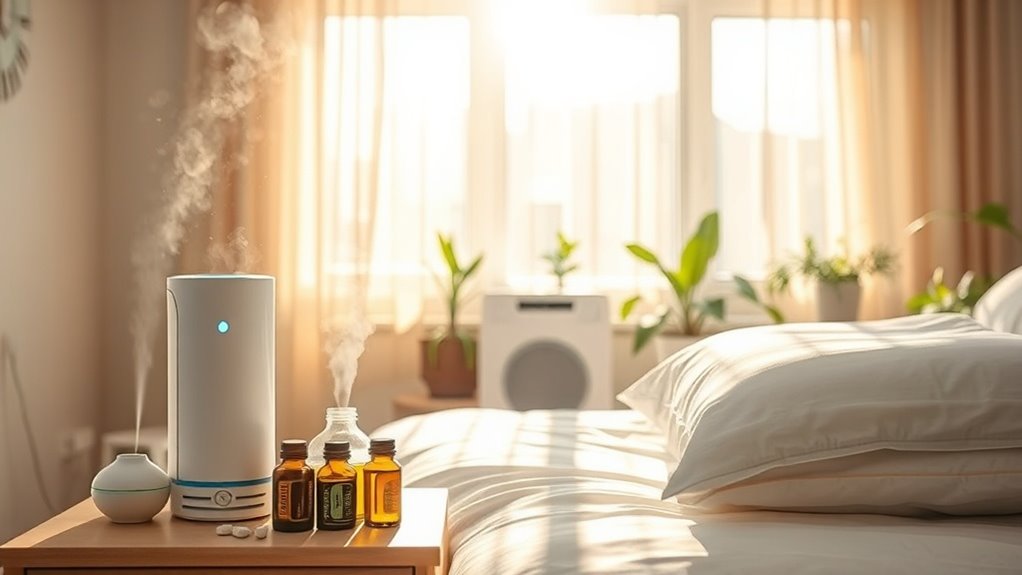
HEPA Air Filtration Systems for Removing Airborne Allergens

When airborne allergens like pollen, dust mites, and pet dander circulate through your home, they can trigger sneezing, congestion, and watery eyes that disrupt your daily life.
HEPA air filtration systems stand among the most effective allergy remedies for indoor environments. These filters capture 99.97% of particles as small as 0.3 microns, trapping allergens before they reach your respiratory system.
You’ll want to place units in bedrooms and common areas where you spend the most time. Remember to replace filters according to manufacturer guidelines to maintain optimal performance and breathe easier indoors.
For comprehensive protection, consider installing HEPA filters in both your HVAC systems and vacuum cleaners to trap microscopic particles throughout your entire home.
Deep Cleaning Protocols to Eliminate Dust Mites and Pet Dander
Because dust mites thrive in fabric surfaces and pet dander embeds itself deep into household materials, regular surface cleaning won’t adequately control these persistent allergens. You’ll need to wash bedding weekly in 130°F water to kill mites effectively.
Vacuum carpets, upholstery, and mattresses twice weekly using a HEPA-filtered vacuum. Steam clean carpets monthly, as high temperatures eliminate both mites and dander. Encase pillows and mattresses in allergen-proof covers. Remove clutter where allergens accumulate.
Wipe hard surfaces with damp cloths rather than dry dusting, which redistributes particles. Don’t forget to vacuum curtains and clean air vents regularly. Maintain humidity levels between 30-50% in your home, as this range inhibits dust mite reproduction and creates an inhospitable environment for these common indoor allergens.
Humidity Control Systems to Prevent Mold and Dust Mite Growth
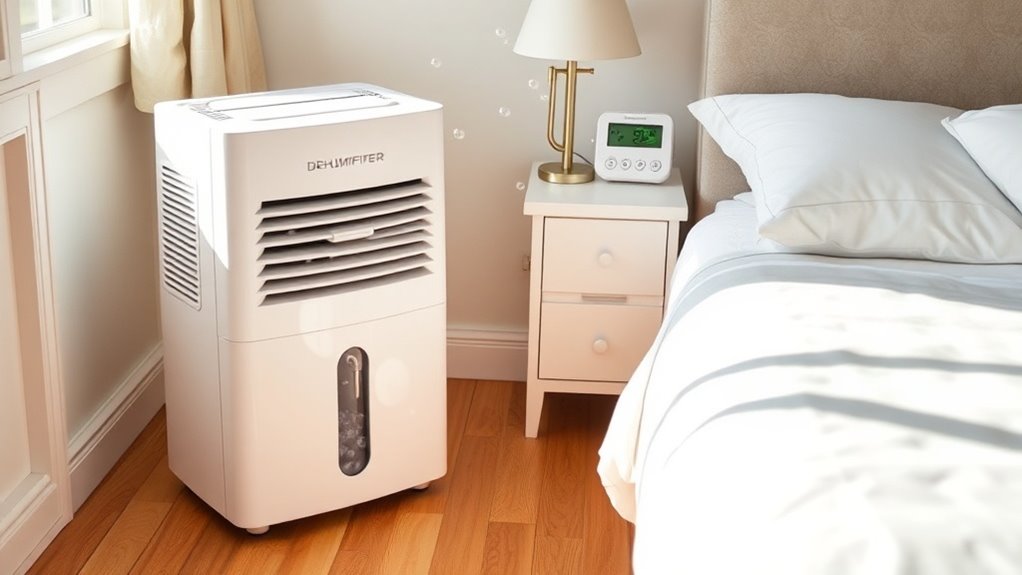
Controlling humidity in your home directly impacts mold spores and dust mite populations, both major allergy triggers. You’ll want to maintain indoor humidity between 30-50% to create an environment where these allergens can’t thrive.
A quality dehumidifier paired with a hygrometer gives you the tools to monitor and adjust moisture levels effectively. Consider keeping a detailed symptom diary to track how changes in humidity levels correlate with your allergy symptoms throughout different seasons.
Optimal Indoor Humidity Levels
Maintaining humidity levels between 30% and 50% in your home creates an environment where dust mites and mold struggle to survive. You’ll need a hygrometer to monitor moisture levels accurately throughout different rooms.
To achieve optimal humidity:
- Use dehumidifiers in damp areas like basements and bathrooms where moisture accumulates
- Run humidifiers during dry winter months when heating systems reduce indoor moisture
- Ensure proper ventilation by using exhaust fans while cooking and showering
You can also adjust your HVAC system settings to regulate humidity automatically. This proactive approach significantly reduces allergen concentrations and improves your indoor air quality.
Dehumidifier and Hygrometer Use
Investing in the right humidity control equipment transforms your allergy management strategy from reactive to preventive. You’ll need a reliable dehumidifier to maintain indoor humidity between 30-50%, creating an inhospitable environment for mold spores and dust mites. Place it in moisture-prone areas like basements and bathrooms where allergens thrive most.
A digital hygrometer monitors humidity levels accurately, alerting you when adjustments are necessary. Position hygrometers in multiple rooms since humidity varies throughout your home.
Empty your dehumidifier’s water reservoir daily and clean the filter weekly to prevent mold growth within the unit itself, which would defeat your allergy-reduction efforts.
Natural Antihistamine Foods to Reduce Allergic Responses
You can strengthen your body’s natural defenses against allergies by incorporating specific foods that act as antihistamines. Quercetin, a powerful plant compound found in foods like onions, apples, and berries, helps stabilize the cells that release histamine during allergic reactions.
Similarly, omega-3 fatty acids from sources like salmon, walnuts, and flaxseeds reduce the inflammation that amplifies your allergic symptoms. Green tea contains EGCG that inhibits allergic responses, making it another beneficial addition to your daily diet during allergy season.
Quercetin-Rich Food Sources
When seasonal allergies strike, your body releases histamines that trigger sneezing, itching, and congestion—but certain foods contain quercetin, a natural compound that can help block this reaction.
You’ll find high quercetin levels in these accessible foods:
- Onions and shallots contain the highest concentrations, especially in red varieties
- Apples with skin provide substantial amounts—don’t peel them before eating
- Berries and citrus fruits like blueberries, cranberries, and grapefruits offer powerful antioxidant benefits
Dark leafy greens, broccoli, and green tea also deliver meaningful quercetin doses. Incorporating these foods regularly into your diet may reduce allergy severity naturally.
Omega-3 Anti-Inflammatory Benefits
Beyond quercetin-rich foods, omega-3 fatty acids offer another powerful weapon against allergic inflammation. You’ll find these essential fats in fatty fish like salmon, mackerel, and sardines, which actively suppress inflammatory compounds that trigger allergy symptoms. When you consume omega-3s regularly, they help stabilize mast cells—the immune cells that release histamine during allergic reactions.
You can also obtain omega-3s from plant sources including flaxseeds, chia seeds, and walnuts. Aim for two servings of fatty fish weekly, or add ground flaxseed to your morning smoothie. These anti-inflammatory fats work systematically to reduce your body’s overactive immune response to indoor allergens.
Nasal Saline Rinses for Clearing Irritants and Congestion
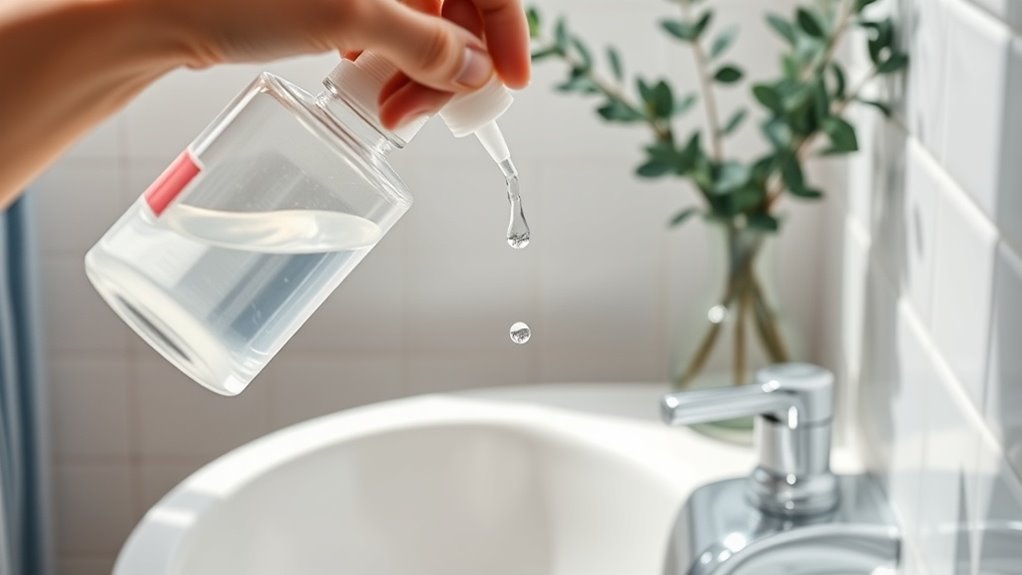
Nasal saline rinses flush allergens, mucus, and irritants directly from your nasal passages, offering immediate relief from congestion and sinus pressure. You’ll find neti pots, squeeze bottles, and saline spray devices effective for this purpose.
Best practices for nasal rinsing:
- Use distilled, sterile, or previously boiled water—never tap water
- Mix pre-packaged saline solution or create your own with non-iodized salt
- Rinse once or twice daily during high-allergen periods
You’ll notice reduced inflammation and improved breathing within minutes. The mechanical action clears pollen and dust while moisturizing dry nasal membranes, making this remedy particularly effective during indoor allergen season. For enhanced relief, you can follow your saline rinse with steam therapy using a bowl of hot water and towel to further thin mucus and open congested passages.
Bedroom Allergen Barriers and Protective Bedding Solutions
Your bedroom harbors dust mites, pet dander, and other allergens that trigger symptoms for up to eight hours each night. Encasing your mattress, box spring, and pillows in allergen-proof covers creates an effective barrier against these irritants. Choose covers with pore sizes smaller than 10 microns to block dust mites completely.
Wash your bedding weekly in water heated to at least 130°F to eliminate allergens. Remove carpeting if possible, since it traps particles that vacuuming can’t reach. Keep pets out of your bedroom entirely, and use a HEPA air purifier while you sleep to capture airborne allergens continuously. Maintain humidity levels between 30-50% in your bedroom to prevent mold growth, which can worsen allergy symptoms during indoor allergen season.
Immune-Supporting Supplements for Allergy Relief

While environmental controls reduce allergen exposure, targeted supplements can strengthen your immune system’s response to triggers. Certain nutrients help regulate histamine release and reduce inflammatory reactions.
Consider these immune-supporting options:
- Quercetin acts as a natural antihistamine, stabilizing mast cells that release allergy-triggering compounds
- Vitamin D modulates immune function and may reduce seasonal allergy severity when levels are optimal
- Probiotics support gut health, which directly influences immune responses to environmental allergens
You’ll want to consult your healthcare provider before starting any supplement regimen, especially if you’re taking medications or have underlying health conditions.