

How to Use Apple Cider Vinegar Drink for Morning Energy.
Struggling to shake off morning grogginess without reaching for another cup of coffee? This simple apple cider vinegar energy drink takes just 2 minutes to mix and uses ingredients you probably already have in your kitchen. The best part? It costs pennies per serving and may help stabilize your blood sugar for steady energy throughout the morning. Ready to give it a try? Here’s exactly how to make it.
Why Apple Cider Vinegar Provides Natural Morning Energy
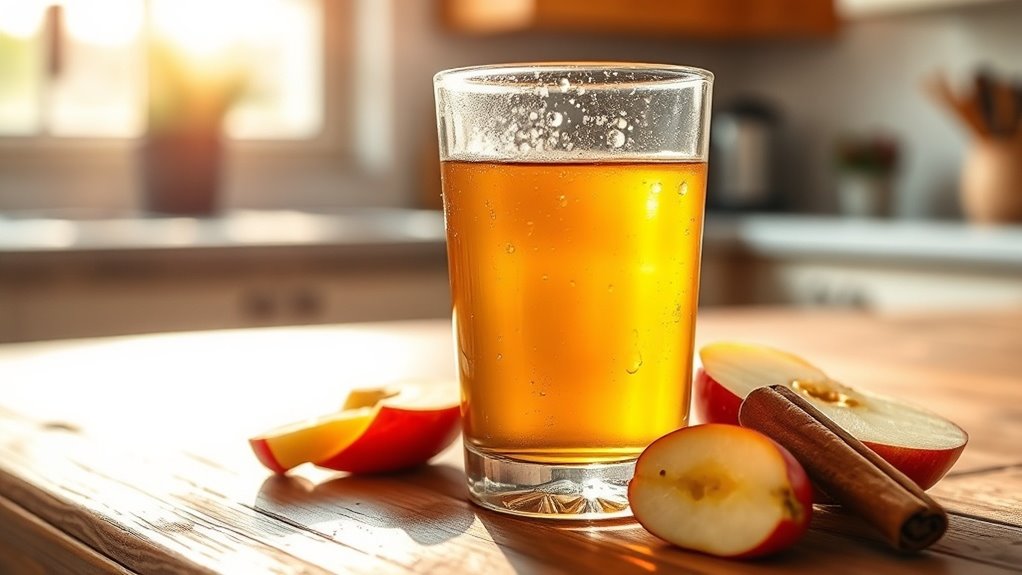
Apple cider vinegar’s energy-enhancing properties stem from its acetic acid content, which facilitates efficient glucose metabolism and stabilizes blood sugar levels throughout the morning hours. When you consume an apple cider vinegar drink before breakfast, you’ll experience improved insulin sensitivity, preventing the energy crashes associated with blood sugar fluctuations.
The fermented beverage contains B-complex vitamins and potassium, essential cofactors for adenosine triphosphate (ATP) production in your cells. Additionally, the polyphenolic compounds in your apple cider vinegar drink support mitochondrial function, enhancing cellular energy generation.
The acetic acid also promotes glycogen breakdown in your liver, providing sustained glucose release. You’ll notice improved mental clarity and physical endurance when incorporating this evidence-based morning ritual, as your body maintains ideal metabolic efficiency throughout your most demanding hours. The probiotics and enzymes in raw apple cider vinegar further enhance nutrient absorption, allowing your body to extract maximum energy from your breakfast meal.
The Classic Apple Cider Vinegar Morning Tonic Recipe
Ideal energy enhancement requires precise formulation of your morning tonic, starting with one to two tablespoons of raw, unfiltered apple cider vinegar containing the “mother” culture—a complex biofilm of acetic acid bacteria and beneficial enzymes. You’ll dilute this concentrate in 8-12 ounces of filtered water to prevent enamel erosion and esophageal irritation.
Add one teaspoon of raw honey to provide quick-release glucose while moderating the solution’s pH to approximately 3.5-4.0. Include a quarter teaspoon of Ceylon cinnamon for chromium content and insulin-sensitizing properties.
Consume this formulation 15-30 minutes before breakfast on an empty stomach to maximize nutrient absorption and metabolic activation. You can enhance the tonic’s thermogenic effects by incorporating a pinch of cayenne pepper, which contains capsaicin for increased energy expenditure. The acetic acid in the vinegar improves insulin sensitivity and slows carbohydrate digestion, which helps prevent energy crashes throughout your morning.
Five Energizing Apple Cider Vinegar Drink Variations

While the classic formulation provides reliable energy enhancement, strategic modifications can target specific metabolic pathways and nutritional deficiencies.
You’ll optimize mitochondrial function by adding 1 teaspoon Ceylon cinnamon, which enhances insulin sensitivity and glucose metabolism. For adrenal support, incorporate ¼ teaspoon turmeric with black pepper to increase cortisol regulation through curcumin absorption.
You can boost B-vitamin intake by mixing 1 tablespoon raw honey, providing quick-release glucose and enzymatic cofactors. To enhance electrolyte balance, add ¼ teaspoon Himalayan salt and fresh lemon juice, supporting cellular hydration and ATP production.
For sustained energy release, blend in 1 teaspoon MCT oil, delivering medium-chain triglycerides that bypass standard digestive processes. You’ll maximize thermogenic effects by including ⅛ teaspoon cayenne pepper, which stimulates metabolic rate through capsaicin activation.
These variations work synergistically with ACV’s acetic acid content to prevent mid-afternoon slumps and maintain stable energy levels throughout your day.
Best Time to Drink Apple Cider Vinegar for Maximum Energy
Consuming your apple cider vinegar drink 15-30 minutes before breakfast capitalizes on your body’s naturally elevated cortisol levels and empty gastric state, which amplifies acetate absorption and glycemic control.
| Timing Window | Metabolic Advantage |
|---|---|
| 15-30 min pre-breakfast | Peak acetate bioavailability; enhanced insulin sensitivity |
| With breakfast | Reduced postprandial glucose spike; delayed gastric emptying |
| Pre-workout (fasted) | Increased lipolysis; elevated ketone production |
Avoid evening consumption, as the acetic acid may trigger gastroesophageal reflux when you’re recumbent. If you’re implementing intermittent fasting, consume your ACV drink at the start of your eating window to maximize nutrient partitioning. Monitor your blood glucose response during the first week to identify your ideal timing protocol based on individual metabolic parameters. The mid-afternoon window, typically between lunch and dinner, offers a secondary opportunity to consume ACV when energy levels naturally dip and can help stabilize blood sugar through the latter part of your day.
Step-by-Step Preparation Methods for Optimal Potency

Proper dilution ratios determine the efficacy and safety of your apple cider vinegar preparation, with research establishing 1-2 tablespoons (15-30ml) of raw, unfiltered ACV in 8-12 ounces (240-355ml) of water as the therapeutic threshold for metabolic benefits without compromising enamel integrity or esophageal mucosa.
You’ll maximize bioactive compound retention by mixing ACV with room-temperature water rather than hot water, which degrades enzymatic activity and acetobacter cultures. Add your measured ACV to filtered water first, then incorporate optional enhancers: 1 teaspoon raw honey (antimicrobial properties), ¼ teaspoon Ceylon cinnamon (glycemic regulation), or fresh lemon juice (vitamin C potentiation). Consume immediately upon waking, 20-30 minutes before breakfast, using a straw to minimize dental contact. This pre-meal timing allows the acetic acid to enhance digestive enzyme production and optimize blood sugar regulation before your first meal.
Don’t exceed 2 tablespoons daily; higher concentrations provide no additional metabolic advantage while increasing gastrointestinal irritation risk.
Safety Tips and Recommended Dosages for Daily Use
While apple cider vinegar offers metabolic benefits, you must adhere to evidence-based dosing protocols to prevent adverse effects on tooth enamel and esophageal tissue.
Standard therapeutic doses range from 15-30 mL (1-2 tablespoons) diluted in at least 240 mL of water, consumed 20-30 minutes before morning meals to optimize gastric pH and nutrient absorption.
You shouldn’t exceed 30 mL daily, as higher concentrations can compromise potassium levels and interfere with certain medications.
Always use a straw when consuming diluted ACV to minimize direct contact with tooth enamel and protect your dental health.
Proper Dilution and Timing
Because undiluted apple cider vinegar contains 5-6% acetic acid, direct consumption can erode tooth enamel, irritate esophageal tissue, and disrupt gastric pH balance. You’ll need to dilute 1-2 tablespoons (15-30ml) in 8-12 ounces (240-360ml) of water to mitigate these risks.
Consume your diluted mixture 15-30 minutes before breakfast on an empty stomach to optimize nutrient absorption and metabolic activation. You’ll maximize chromium bioavailability and support stable glycemic response when you time consumption pre-meal.
Use a straw to minimize dental exposure, then rinse your mouth with plain water immediately afterward. Wait 30 minutes before brushing teeth, as brushing immediately after acid exposure accelerates enamel demineralization.
Monitor your tolerance during the first week, adjusting dilution ratios if you experience gastrointestinal discomfort.
Daily Intake Limits
How much apple cider vinegar can you safely consume without triggering adverse metabolic effects or tissue damage? Clinical evidence supports a maximum daily intake of 30 mL (two tablespoons) diluted in 240 mL water. Exceeding this threshold increases risks of enamel erosion, esophageal irritation, and hypokalemia.
You’ll minimize gastrointestinal distress by dividing your dose across two servings rather than consuming it at once. Monitor for signs of delayed gastric emptying if you’re diabetic, as acetic acid alters glycemic control. Those with chronic kidney disease shouldn’t exceed 15 mL daily due to potassium regulation concerns.
You must dilute vinegar thoroughly—undiluted consumption accelerates mucosal damage. If you’re taking diuretics, insulin, or digoxin, consult your healthcare provider before establishing a regular regimen.