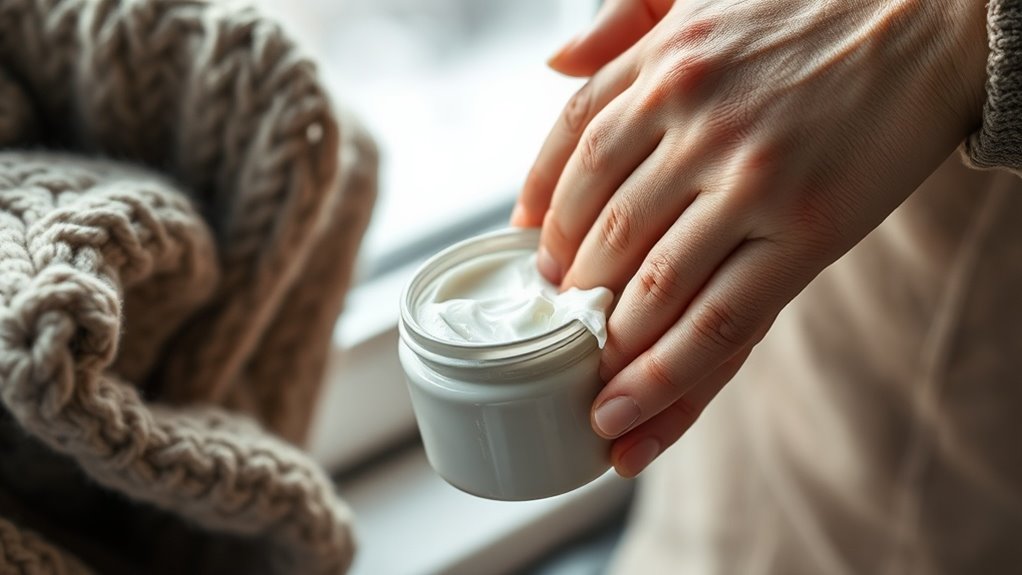
How to Support Eczema Relief During Dry Winter Months.
Why does eczema seem to spiral out of control every winter? Your skin’s protective barrier loses moisture rapidly when cold outdoor air and dry indoor heating create the perfect storm for flare-ups. This double assault strips away the lipids that normally lock in hydration, leaving your skin vulnerable to irritation, inflammation, and those persistent itchy patches. It’s incredibly common—dermatologists see a surge in eczema patients during winter months for exactly this reason. The encouraging news is that targeted changes to your skincare routine and environment can dramatically reduce symptoms and help you maintain comfortable, calmer skin throughout the season. Let’s break down what’s really happening and which specific strategies will make the biggest difference for your winter eczema management.
Understanding How Cold Weather Triggers Eczema Flare-Ups
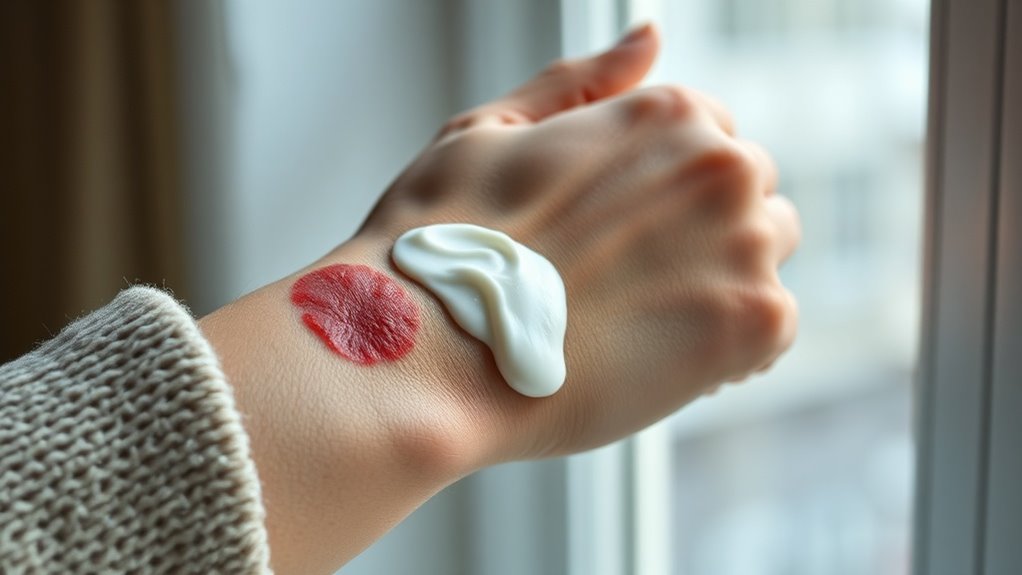
When temperatures drop and humidity levels decline, the skin’s natural barrier function becomes compromised, leading to increased transepidermal water loss (TEWL) and subsequent eczema exacerbations. Cold air holds less moisture, creating a hostile environment for your already vulnerable skin barrier.
Indoor heating further depletes ambient humidity, accelerating moisture evaporation from your epidermis.
You’ll notice your skin becomes more permeable to irritants and allergens during winter months, triggering inflammatory responses characteristic of atopic dermatitis. The compromised lipid barrier can’t retain adequate hydration, resulting in xerosis, pruritus, and lesion formation.
For effective eczema relief, you must understand this pathophysiology. Recognize that winter’s dual assault—external cold and internal heating—creates a perfect storm for flare-ups, requiring proactive barrier restoration strategies rather than reactive symptom management. Maintaining optimal humidity levels between 30-50% in your home can help counteract the drying effects of winter air and preserve your skin’s protective barrier.
Adjusting Your Moisturizing Routine for Winter Conditions
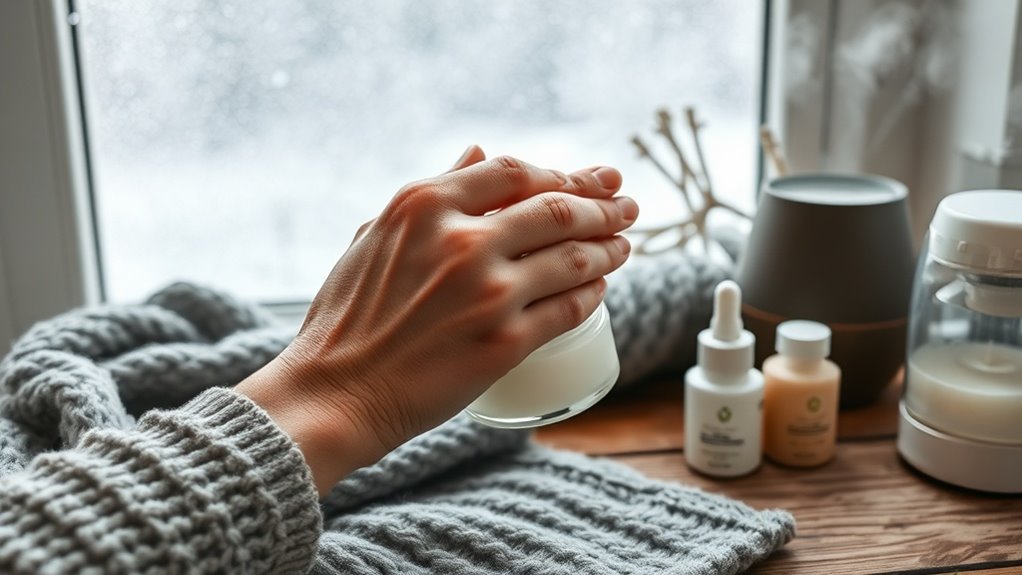
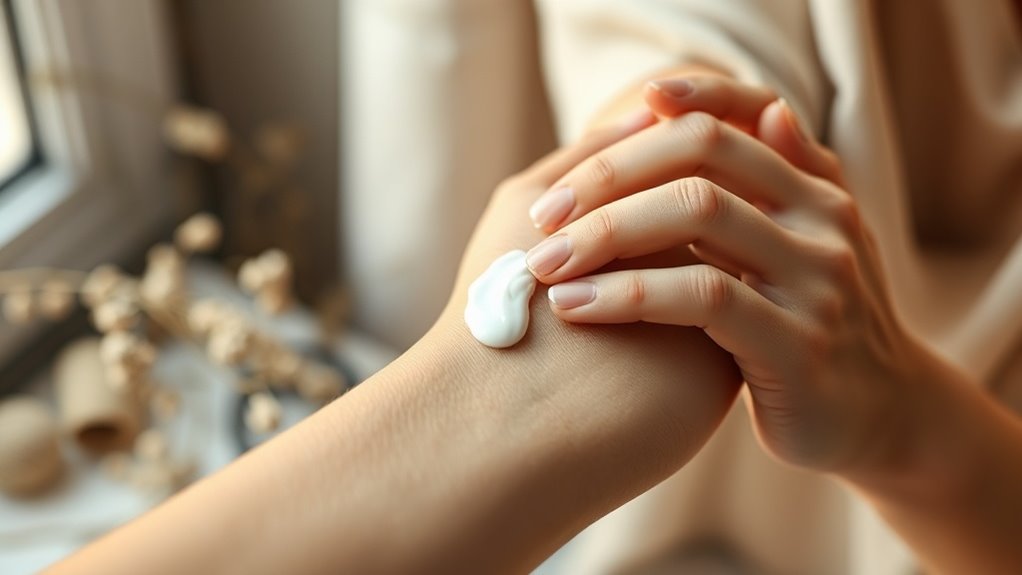
Armed with knowledge of winter’s impact on your skin barrier, you’ll need to modify your moisturizing protocol immediately. Transition from lightweight lotions to petroleum-based ointments containing ceramides and hyaluronic acid. Apply emollients within three minutes post-bathing to seal moisture into hydrated skin—this critical window maximizes transepidermal water retention.
Winter demands increased application frequency:
- Morning application: Layer thick ointment over damp skin before facing harsh outdoor elements, creating a protective occlusive barrier
- Midday reapplication: Target exposed areas like hands and face that lose moisture through repeated environmental exposure
- Nighttime treatment: Apply generous amounts under cotton gloves and socks to enhance penetration during sleep’s repair cycle
Consider incorporating products with medium-chain fatty acids like coconut oil, which provide antimicrobial protection while improving skin elasticity and strengthening your compromised moisture barrier. Monitor your skin’s response weekly. If dryness persists despite protocol adherence, consult your dermatologist about prescription-strength barrier repair formulations.
Choosing the Right Fabrics and Clothing Layers

Your clothing choices directly impact eczema symptom severity during winter months. Selecting appropriate fabric types reduces mechanical irritation and prevents moisture loss from the skin barrier.
Strategic layering techniques allow you to maintain optimal skin temperature while minimizing contact between irritating materials and eczema-prone areas. Additionally, protecting the skin with appropriate clothing layers during cold or windy conditions helps maintain the skin’s moisture barrier and reduces eczema flare-ups.
Best Fabric Types
How can fabric selection impact eczema symptoms during winter? Your clothing choices directly affect skin barrier function and inflammatory responses. Natural, breathable materials minimize friction and moisture retention, reducing flare triggers.
Recommended fabric selections:
- 100% organic cotton – smooth fibers that won’t irritate compromised skin barriers while allowing optimal air circulation
- Silk – hypoallergenic properties with natural temperature regulation preventing overheating and subsequent sweat-induced irritation
- Bamboo fabric – moisture-wicking capabilities that draw perspiration away from inflamed areas while maintaining softness
Avoid wool, synthetic polyester, and rough-textured materials that increase mechanical irritation. These fabrics trap heat, promote sweating, and contain potential allergens that exacerbate dermatitis. Choose loose-fitting garments to prevent occlusion and friction against lesional skin. Pre-wash new clothing twice to remove manufacturing chemicals and formaldehyde-based finishes that trigger contact dermatitis.
Proper Layering Techniques
Strategic layering protects eczematous skin from temperature fluctuations that trigger inflammatory cascades and compromise barrier integrity. You’ll need a base layer of soft, breathable cotton or silk against your skin, followed by insulating middle layers that regulate temperature without trapping excessive moisture. Avoid synthetic fabrics that generate static electricity and precipitate pruritus.
Remove layers promptly when entering heated environments to prevent perspiration accumulation, which disrupts the skin’s pH balance and exacerbates inflammation. You should maintain consistent core temperature rather than allowing repeated heating-cooling cycles that stress compromised epidermis.
Keep outer layers loose-fitting to minimize friction against inflamed areas. Pre-wash all garments with fragrance-free detergents to eliminate chemical residues and fabric treatments that act as contact irritants. This systematic approach reduces transepidermal water loss while preventing mechanical and thermal aggravation.
Managing Indoor Heating and Humidity Levels
Indoor heating systems significantly compromise the epidermal barrier by reducing ambient humidity below the therapeutic threshold of 30-50% relative humidity. You’ll need to implement both passive and active humidification strategies while adjusting thermostat settings to minimize transepidermal water loss.
Strategic placement of humidifiers, maintaining indoor temperatures between 68-72°F, and monitoring humidity levels with a hygrometer constitute evidence-based interventions for managing eczema flares during winter months. Additionally, limiting exposure to prolonged standing or sitting in heated environments helps prevent exacerbation of inflammatory skin conditions by promoting circulation and reducing localized stress on affected areas.
Optimal Humidity Range Guidelines
Maintaining relative humidity between 30-50% provides the therapeutic threshold necessary for preserving the skin’s moisture barrier and reducing eczema flare frequency during winter. You’ll achieve optimal therapeutic outcomes by monitoring indoor humidity with a hygrometer and adjusting humidifier output accordingly. Levels below 30% compromise stratum corneum hydration, triggering transepidermal water loss and inflammatory cascade activation. Conversely, humidity exceeding 50% promotes dust mite proliferation and mold growth, both potent eczema triggers.
Deploy these evidence-based interventions:
- Position calibrated humidifiers in bedrooms where you spend 7-8 hours nightly, maximizing skin barrier restoration during sleep
- Maintain consistent 40-45% humidity in primary living spaces to prevent desiccation-induced pruritus cycles
- Clean humidifier reservoirs weekly with white vinegar to eliminate bacterial colonization that exacerbates atopic dermatitis
Humidifier Types and Placement
Selecting the appropriate humidifier technology directly impacts your eczema management efficacy and infection risk profile. Cool-mist ultrasonic humidifiers minimize bacterial proliferation compared to warm-mist variants, reducing respiratory pathogen exposure during compromised skin barrier states.
Evaporative models provide self-regulating humidity output, preventing over-humidification that exacerbates dust mite colonization.
Position your humidifier 3-6 feet from your bed at elevated height to optimize droplet dispersion across your breathing zone. Avoid direct mist contact with bedding or walls, which promotes mold growth. Clean the reservoir every 72 hours using distilled white vinegar to eliminate biofilm formation. Replace filters per manufacturer specifications—typically every 30-60 days.
Central humidification systems offer superior whole-home humidity control but require professional maintenance. Portable units provide targeted bedroom treatment, allowing precise symptom-zone management.
Thermostat Settings for Skin
When central heating systems operate continuously during winter, indoor relative humidity plummets below the 30-40% threshold necessary for stratum corneum hydration maintenance. You’ll need to optimize thermostat settings to minimize transepidermal water loss while maintaining thermal comfort.
Set your thermostat between 68-72°F to reduce forced-air heating cycles that accelerate moisture evaporation from compromised epidermal barriers. Lower nighttime temperatures by 2-3 degrees when you’re beneath protective bedding layers.
Strategic thermostat management creates optimal conditions for eczematous skin:
- Morning awakening: Cool bedroom air meets adequately humidified space, preventing the itching sensation that disrupts sleep-wake transitions
- Evening transition: Gradual temperature reduction signals your body’s natural circadian rhythm without triggering vasodilation-induced pruritus
- Daytime stability: Consistent moderate temperatures prevent the perspiration-evaporation cycle that compromises barrier function
Monitor indoor humidity levels using hygrometers positioned near thermostats for integrated environmental control.
Modifying Your Bathing Habits to Protect Skin Barrier
Your bathing routine directly impacts eczema severity during winter months, as excessive water exposure and high temperatures compromise the skin’s lipid barrier and accelerate transepidermal water loss. Limit showers to 5-10 minutes using lukewarm water (92-98°F) rather than hot water, which strips natural oils and triggers inflammation. You’ll achieve optimal results by using fragrance-free, soap-free cleansers with a pH of 4.5-5.5 that won’t disrupt your skin’s acid mantle.
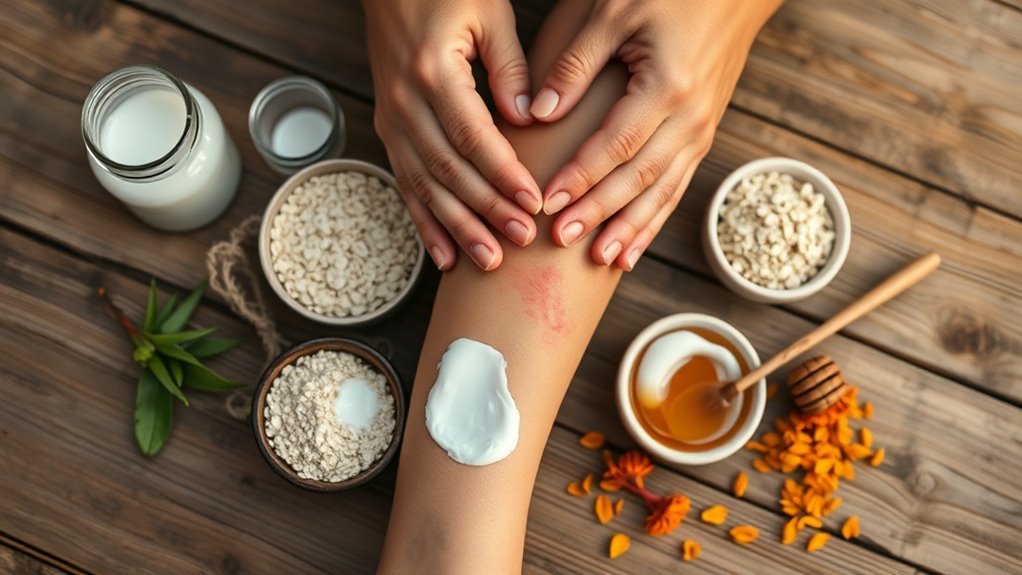
Pat yourself dry immediately after bathing—don’t rub vigorously—and apply prescribed emollients within three minutes to lock in moisture. This “soak and seal” method maximizes hydration retention. Consider bathing once daily or every other day if your eczema worsens with frequent washing. Add colloidal oatmeal to bathwater for anti-inflammatory benefits when experiencing flares. Avoid using washcloths during cleansing, as mechanical friction can further irritate already compromised eczema-prone skin.
Dietary and Lifestyle Changes That Support Skin Health
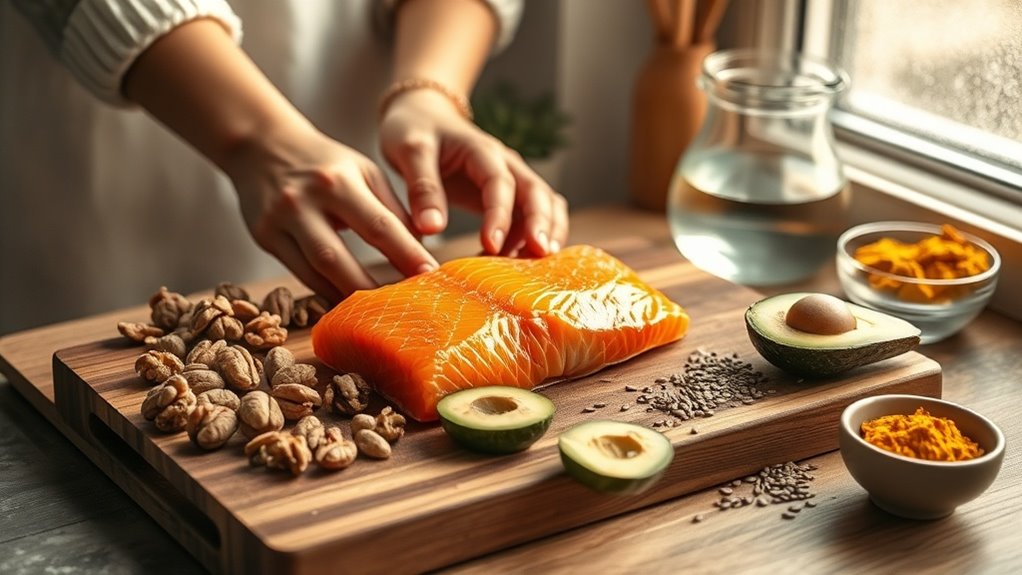
While topical treatments address external symptoms, nutritional interventions and stress management protocols target the underlying inflammatory mechanisms that exacerbate eczema during winter. You’ll need to implement specific dietary modifications that modulate immune responses and strengthen barrier function.
Essential interventions include:
- Omega-3 fatty acid supplementation (2-3g daily) from fish oil or algae sources reduces pro-inflammatory cytokine production and enhances ceramide synthesis in the stratum corneum
- Probiotic-rich fermented foods (kimchi, kefir, sauerkraut) consumed daily to restore gut microbiome diversity and decrease systemic inflammation markers
- Vitamin D optimization through supplementation (1000-2000 IU) during reduced sunlight exposure, supporting antimicrobial peptide production and regulatory T-cell function
- Apple cider vinegar diluted in water (1-2 tablespoons in 8 ounces) taken before meals to support beneficial gut bacteria growth, which may help reduce systemic inflammation contributing to skin conditions
Additionally, you’ll benefit from cortisol-reducing practices like progressive muscle relaxation and cognitive behavioral therapy, which interrupt the stress-itch-inflammation cycle characteristic of eczema flares.
Frequently Asked Questions
Can I Still Exercise Outdoors During Winter Without Worsening My Eczema?
Yes, you can exercise outdoors with proper precautions. Apply a thick emollient barrier cream beforehand, wear moisture-wicking base layers, and immediately cleanse and rehydrate your skin afterward to prevent xerosis and inflammation exacerbation.
Are There Specific Vitamins or Supplements That Help Prevent Winter Eczema Flares?
You’ll benefit from vitamin D supplementation during winter months, as deficiency correlates with eczema flares. Omega-3 fatty acids demonstrate anti-inflammatory properties that support skin barrier function. Probiotics may also help modulate immune responses, though you should consult your dermatologist first.
How Do I Treat an Eczema Infection That Develops During Winter?
You’ll need prescription antibiotic treatment if bacterial infection develops, typically with topical mupirocin or oral antibiotics for severe cases. Antifungal or antiviral medications may be necessary depending on the pathogen identified through clinical evaluation.
Is It Safe to Use Prescription Steroid Creams Throughout the Entire Winter?
You shouldn’t use prescription steroid creams continuously throughout winter. They’re designed for short-term flare management, typically 1-2 weeks. Prolonged use causes skin thinning and adverse effects. Instead, you’ll need maintenance therapy with emollients between steroid treatments.
Should I See a Dermatologist Before Winter Starts to Adjust My Treatment?
Yes, you should schedule a preemptive dermatology consultation. Your dermatologist can optimize your therapeutic regimen, adjust corticosteroid potency levels, prescribe prophylactic moisturizers, and establish clear treatment protocols before winter-related flare-ups occur, ensuring better disease management outcomes.