How to Create an Apple Cider Vinegar Recipe for Wellness.
Looking for a natural way to support your wellness routine without complicated supplements or expensive products? This simple apple cider vinegar wellness drink takes just 2 minutes to mix and uses only 3 affordable ingredients you probably already have in your kitchen. You’ll love how easy it is to incorporate into your morning routine, and it costs less than a dollar per serving. Ready to give it a try? Here’s exactly how to make it.
Understanding the Health Benefits of Apple Cider Vinegar
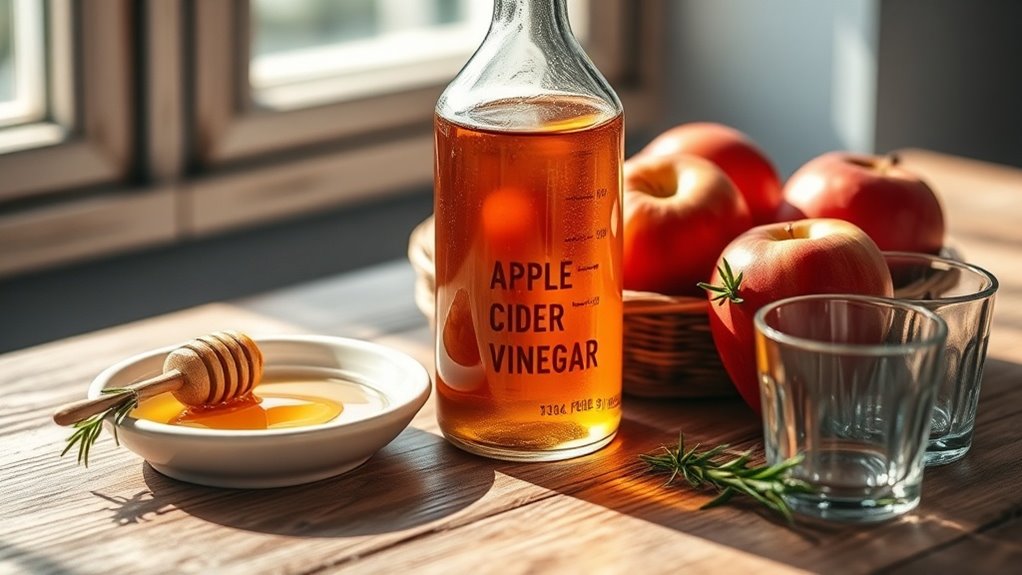
While apple cider vinegar has been used medicinally for centuries, contemporary research now substantiates several of its purported health effects. You’ll find that acetic acid, the primary bioactive compound, demonstrates antimicrobial properties and may enhance insulin sensitivity.
Studies indicate that consuming diluted apple cider vinegar can modulate postprandial glucose responses, particularly beneficial for individuals managing metabolic syndrome. The polyphenolic compounds present in unfiltered varieties contribute antioxidant capacity, potentially reducing oxidative stress markers.
When you’re developing an apple cider vinegar recipe, you’re accessing these therapeutic constituents. Clinical evidence suggests that regular consumption may support weight management through increased satiety and improved lipid profiles. Additionally, acetic acid functions as a prebiotic compound, feeding beneficial gut bacteria and promoting a balanced microbiome essential for optimal digestive function. However, you must dilute it appropriately—typically one to two tablespoons in eight ounces of water—to prevent enamel erosion and esophageal irritation.
Choosing the Right Type of Apple Cider Vinegar
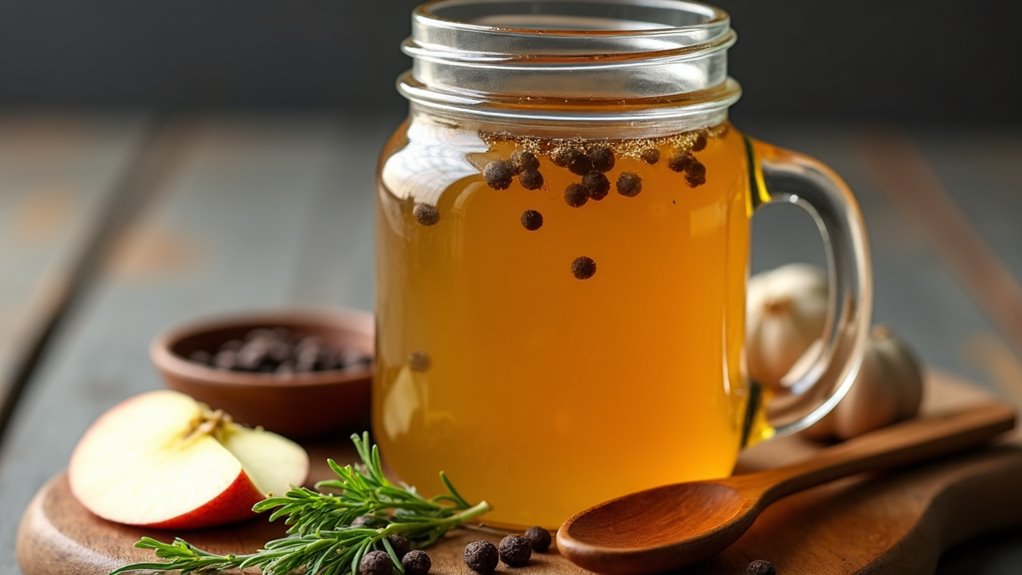
When selecting apple cider vinegar for therapeutic applications, you’ll need to prioritize raw, unfiltered, unpasteurized varieties containing “the mother”—a complex matrix of acetobacter colonies, cellulose, and beneficial enzymes that stratifies as visible sediment. This cloudy formation indicates active probiotic content and preserved polyphenolic compounds that thermal processing destroys.
Verify 5% acetic acid concentration on labels, ensuring ideal antimicrobial efficacy without excessive acidity that compromises gastric mucosa. Opt for organic certifications to minimize pesticide residue exposure from conventionally grown apples. Glass packaging prevents endocrine-disrupting chemicals from leaching into acidic solutions.
Avoid distilled or clarified versions marketed for culinary purposes—these undergo filtration that eliminates bioactive constituents essential for wellness applications. Store bottles in cool, dark environments to maintain enzymatic integrity and prevent oxidative degradation of phenolic antioxidants. If you’re making your own, source the mother of vinegar from established cultures to guarantee proper fermentation and achieve the optimal 4-5% final acidity.
Essential Ingredients to Enhance Your Wellness Recipe

You’ll need three key components to maximize the therapeutic benefits of your wellness tonic: raw, unfiltered apple cider vinegar containing the “mother” culture, a low-glycemic natural sweetener to improve palatability without compromising blood glucose stability, and bioactive spices that provide synergistic anti-inflammatory and metabolic effects.
Each ingredient serves a distinct physiological purpose while contributing to the overall efficacy of the formulation.
The acetic acid in apple cider vinegar works by improving insulin sensitivity and slowing carbohydrate digestion, which helps maintain stable blood sugar levels throughout the day.
The following sections will examine the evidence-based rationale for selecting specific ingredients within each category.
Raw Apple Cider Vinegar
Raw, unfiltered apple cider vinegar serves as the cornerstone ingredient in any wellness-focused recipe, distinguished by its cloudy appearance and living “mother” culture—a complex matrix of beneficial bacteria, enzymes, and protein strands formed during acetous fermentation. You’ll want to select organic varieties containing 5% acetic acid concentration for ideal bioactive compound preservation.
The mother culture contains acetobacter species that produce beneficial metabolites, including polyphenols and short-chain fatty acids. When purchasing, verify the bottle remains unpasteurized, as heat treatment destroys thermolabile enzymes and probiotic cultures. Store your vinegar at room temperature, away from direct sunlight, to maintain the mother’s viability. Always shake the bottle before use to redistribute settled sediment, confirming you’re incorporating the full spectrum of bioactive components into your wellness preparation.
Natural Sweetener Options
Apple cider vinegar’s pronounced acidity and astringent flavor profile necessitate balanced formulation through strategic sweetener integration to achieve palatability without compromising therapeutic efficacy. Raw honey provides ideal synergy, delivering antimicrobial properties, trace minerals, and enzymatic compounds while maintaining a low glycemic index of 58. You’ll require one tablespoon per eight-ounce serving to neutralize acidity effectively.
Alternatively, pure maple syrup offers polyphenolic antioxidants and manganese, though its higher glycemic response warrants measured application. Stevia extract presents a zero-calorie option, providing intense sweetness without blood glucose elevation—use sparingly, as excessive amounts introduce bitter undertones. Monk fruit sweetener delivers comparable benefits with superior taste stability.
Avoid refined sugars and artificial sweeteners, which negate apple cider vinegar‘s metabolic advantages and introduce inflammatory compounds counterproductive to wellness objectives.
Beneficial Spice Additions
Strategic spice incorporation transforms apple cider vinegar formulations into potent anti-inflammatory beverages while masking harsh acidic notes through aromatic complexity. You’ll optimize bioavailability by adding Ceylon cinnamon (Cinnamomum verum), which provides cinnamaldehyde compounds that enhance insulin sensitivity and reduce oxidative stress markers.
Turmeric root contributes curcumin, a polyphenolic compound requiring black pepper’s piperine for 2,000% absorption enhancement. You can incorporate fresh ginger (Zingiber officinale) at 1-2 grams daily, delivering gingerol compounds with documented gastroprotective and thermogenic properties.
Cayenne pepper’s capsaicin stimulates metabolic rate while providing cardiovascular benefits through vasodilation mechanisms. You’ll achieve synergistic effects by combining these phytochemicals, as their complementary antioxidant pathways create enhanced free radical scavenging capacity beyond individual component contributions.
Step-by-Step Instructions for Making Your ACV Drink
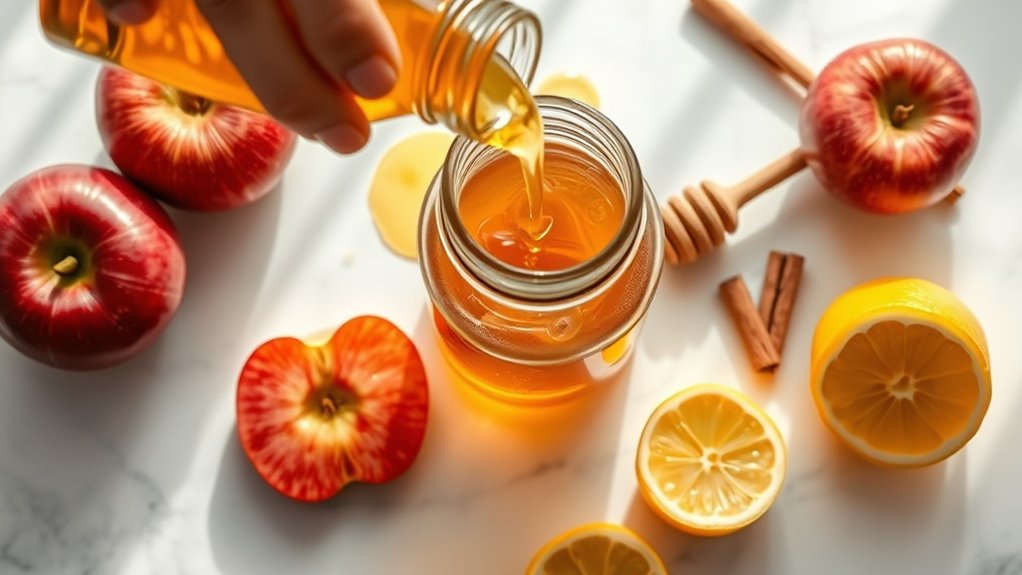
Creating an effective ACV wellness drink requires precise preparation and proper ingredient ratios to maximize its bioactive compounds. You’ll need to measure 1-2 tablespoons of raw, unfiltered apple cider vinegar containing “the mother” and dilute it in 8-12 ounces of filtered water to prevent enamel erosion and esophageal irritation.
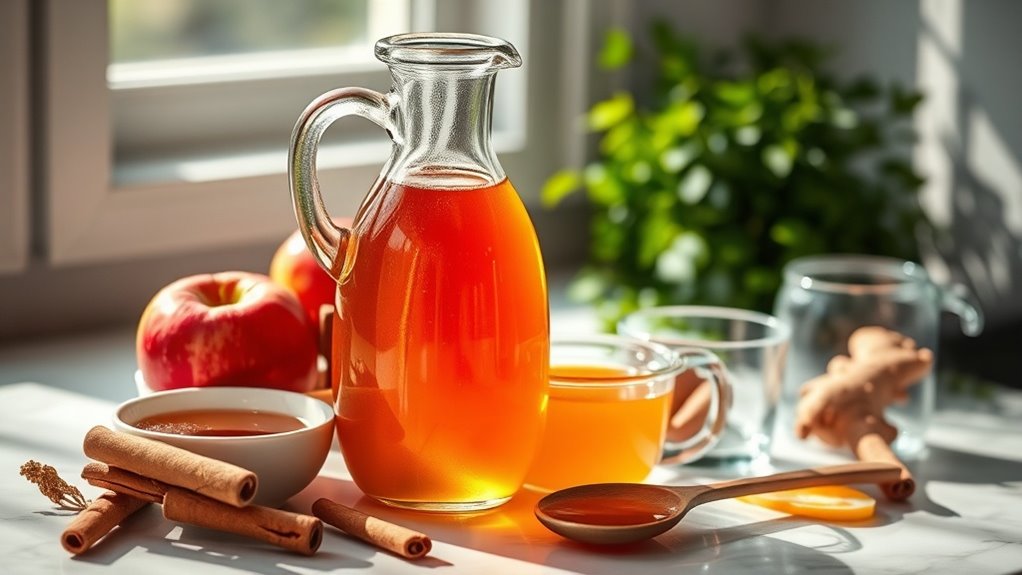
Strategic additions of complementary ingredients like raw honey (antimicrobial properties), Ceylon cinnamon (blood glucose modulation), or fresh lemon juice (vitamin C enhancement) can amplify the drink’s therapeutic potential. For optimal results, consume your ACV drink 20 minutes before breakfast to enhance fat breakdown and regulate blood sugar responses.
Gather Essential Ingredients First
Before you can prepare a therapeutic apple cider vinegar beverage, you’ll need to assemble specific ingredients that guarantee both efficacy and palatability. Obtain raw, unfiltered apple cider vinegar containing the “mother”—a complex of beneficial acetobacter and polyphenolic compounds. You’ll require 1-2 tablespoons (15-30ml) per serving for ideal bioactive concentration.
Secure filtered water (8-12 ounces) to achieve proper dilution, preventing enamel erosion and esophageal irritation. Include raw honey (1 teaspoon) for antimicrobial properties and glycemic modulation.
Fresh lemon juice (½ lemon) provides ascorbic acid and enhances alkalizing effects post-metabolism.
Optional additions include Ceylon cinnamon (½ teaspoon) for insulin sensitization, cayenne pepper (pinch) to stimulate thermogenesis, and fresh ginger (½ inch) for its gingerol-mediated anti-inflammatory action. Measure ingredients precisely to maintain therapeutic ratios.
Mix Perfect ACV Ratios
With your ingredients assembled, begin by warming 8-12 ounces of filtered water to approximately 98-104°F (37-40°C)—this temperature range optimizes enzymatic activity while preventing thermal degradation of heat-sensitive compounds in the vinegar.
Add 1-2 tablespoons of raw, unfiltered apple cider vinegar containing “the mother” (Acetobacter aceti cultures). You’ll want to start with 1 tablespoon if you’re new to ACV consumption, gradually increasing to 2 tablespoons as tolerance develops.
Incorporate 1 teaspoon of raw honey to enhance palatability and provide prebiotic oligosaccharides. If you’re including optional fresh lemon juice, add ½ tablespoon for additional citric acid and vitamin C content.
Stir thoroughly until the honey dissolves completely, ensuring homogeneous distribution of all bioactive components throughout the solution.
Enhance With Natural Additions
Beyond the foundational recipe, you’ll maximize therapeutic benefits by incorporating thermogenic and anti-inflammatory botanicals that synergize with acetic acid’s metabolic effects.
Strategic additions enhance bioavailability and address specific wellness objectives:
- Ginger root (1-inch piece, grated): Contains gingerol compounds that amplify thermogenesis and reduce inflammatory cytokines
- Ceylon cinnamon (½ teaspoon): Provides cinnamaldehyde for improved insulin sensitivity and glucose regulation
- Raw honey (1 teaspoon): Delivers prebiotic oligosaccharides and antioxidant polyphenols while moderating acidity
You’ll achieve best-in-class extraction by steeping these additions in warm water before adding ACV, allowing bioactive compounds to infuse properly. This preparation method preserves heat-sensitive enzymes while facilitating nutrient solubility. Don’t exceed recommended quantities, as concentrated botanicals can produce adverse effects or interactions with medications.
Best Times and Ways to Consume Apple Cider Vinegar

Timing your apple cider vinegar consumption strategically maximizes its potential health benefits and minimizes adverse effects. You’ll achieve ideal glycemic control by consuming 15-30mL diluted in 240mL water 20 minutes before meals, particularly high-carbohydrate ones. This pre-meal timing enhances insulin sensitivity and attenuates postprandial glucose spikes.
Morning consumption on an empty stomach may support metabolic function, though you should monitor for gastrointestinal discomfort. Always dilute ACV to prevent enamel erosion and esophageal irritation.
You can integrate it into salad dressings or marinades for culinary applications that preserve acetic acid content while reducing direct acid exposure.
Avoid bedtime consumption, as supine positioning increases reflux risk. Use a straw when drinking diluted ACV to minimize dental contact. You shouldn’t exceed 30mL daily to prevent hypokalemia and bone density concerns. Enhancing the taste with ingredients like raw honey, fresh lemon juice, or spices such as cinnamon can make your ACV routine more palatable while adding complementary health benefits.
Safety Tips and Dosage Recommendations
While proper timing optimizes benefits, adhering to safe dosage parameters prevents adverse physiological consequences. You’ll minimize enamel erosion and gastrointestinal irritation by limiting intake to 15-30 milliliters (1-2 tablespules) daily, diluted in 240 milliliters of water. Never consume undiluted ACV, as its acetic acid content (typically 5-6%) causes esophageal burns and dental demineralization.
Critical safety protocols include:
- Dilution ratio: Maintain minimum 1:8 ACV-to-water proportion to reduce mucosal contact with concentrated acid
- Medication interactions: Consult healthcare providers if taking diuretics, insulin, or digoxin, as ACV affects potassium levels and glycemic control
- Duration monitoring: Discontinue use if experiencing dyspepsia, throat irritation, or hypoglycemic symptoms
You’re advised to rinse your mouth post-consumption and wait 30 minutes before brushing to prevent further enamel abrasion. Starting with smaller amounts allows you to assess tolerance before gradually increasing to the recommended dosage, ensuring your body adapts to the acetic acid concentration safely.