Can Oil Pulling Transform Your Oral Health in 30 Days.
Can oil pulling actually transform your oral health in 30 days? The honest answer: it can provide modest improvements in plaque reduction and gum health, but it won’t revolutionize your oral hygiene or replace conventional dental care. Oil pulling works through a mechanical cleansing action—the swishing motion physically removes bacteria—while certain oils like coconut contain antimicrobial properties that may offer additional benefits. Many people are drawn to this ancient Ayurvedic practice because they want natural alternatives to mouthwash or hope to solve stubborn dental issues. What you’ll discover here is what the clinical evidence actually supports, which benefits are real versus exaggerated, and how to incorporate oil pulling effectively if you choose to try it. Let’s break down what’s really happening.
What Oil Pulling Actually Does to Your Mouth: The Science Behind the Practice
When you swish oil through your teeth for 10-20 minutes, proponents claim the lipids bind to bacterial cell membranes and physically dislodge plaque biofilm from enamel surfaces. However, the mechanism remains poorly understood.
Limited studies on oil pulling with coconut oil suggest lauric acid’s antimicrobial properties may reduce Streptococcus mutans colonies, though research quality varies considerably. You’re essentially performing mechanical cleansing—the prolonged swishing action itself likely contributes more than oil-specific properties.
Current evidence doesn’t support superiority over conventional brushing and flossing. While some practitioners report subjective improvements in gingival health, randomized controlled trials remain sparse. The practice appears relatively safe but shouldn’t replace established oral hygiene protocols.
This technique has roots in the ancient Ayurvedic text Charaka Samhita, where it was known as Kavala Graha and practiced for over 3,000 years to balance the body’s doshas and remove toxins.
You’ll need to maintain realistic expectations about potential benefits until more rigorous clinical data emerges.
The 30-Day Oil Pulling Protocol: Step-by-Step Morning Routine
To implement oil pulling consistently, you’ll need a structured protocol that addresses technique precision and dosing parameters. The following 30-day framework establishes specific timing intervals (15-20 minutes per session) and frequency recommendations (once daily upon waking) based on traditional Ayurvedic practice, though clinical evidence for optimal duration remains limited.
Understanding proper swishing mechanics and contraindications will help you execute the protocol safely while monitoring for any measurable changes in oral health markers. The oil should weave between teeth throughout the session, allowing the lauric acid in coconut oil to disrupt harmful bacteria’s cell walls and draw out impurities from oral tissues.
Proper Oil Pulling Technique
Although oil pulling has gained widespread attention as an alternative oral health practice, establishing a consistent protocol requires understanding the specific technical steps rather than relying on anecdotal variations. You’ll need to measure one tablespoon of oil and place it in your mouth before any food or water consumption. The technique demands constant movement through the oral cavity.
Execute the following mechanical actions:
- Swish the oil systematically through interdental spaces using tongue and cheek movements for 15-20 minutes
- Maintain temperatures that keep the oil liquefied without causing thermal discomfort to oral tissues
- Expectorate into waste receptacles rather than sink drains to prevent plumbing complications from solidified lipids
You must avoid swallowing the oil, as it theoretically contains dislodged bacteria and debris, though clinical evidence supporting bacterial sequestration remains limited.
Timing and Frequency Guidelines
Consistent application of oil pulling technique requires a structured temporal framework, despite limited research validating optimal frequency parameters. You’ll find most protocols recommend 10-20 minutes daily, preferably upon waking before food or water intake. This timing theoretically maximizes bacterial load removal when overnight oral microbial accumulation peaks.
However, you shouldn’t expect transformative results, as scientific evidence remains inconclusive. Start with 5-minute sessions if you experience jaw fatigue, gradually increasing duration. Daily practice for 30 consecutive days represents the minimum intervention period assessed in available studies, though methodology quality varies significantly.
You’re advised against exceeding 20 minutes, as prolonged exposure hasn’t demonstrated additional benefits. If you can’t maintain daily consistency, alternative evidence-based interventions like fluoride application warrant consideration instead.
Coconut Oil vs. Sesame Oil: Choosing the Right Oil for Your Needs
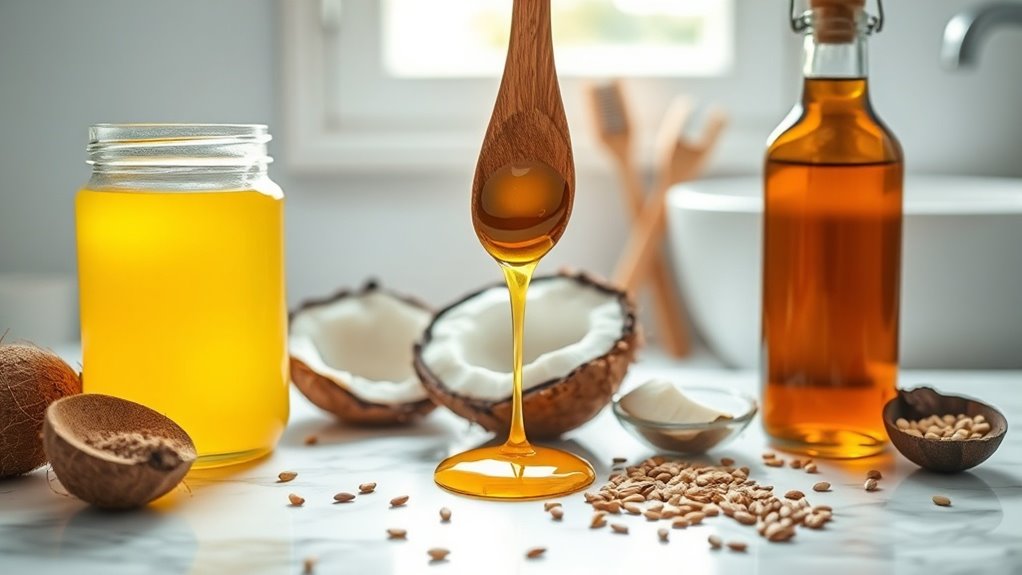
While both coconut oil and sesame oil are commonly used for oil pulling, they possess distinct antimicrobial profiles and physicochemical properties that may influence their clinical efficacy.
Coconut oil contains lauric acid, which demonstrates bacteriostatic effects against Streptococcus mutans, whereas sesame oil’s lignans and polyunsaturated fatty acids offer different bioactive mechanisms.
Your selection should consider individual factors such as taste preference, potential allergic responses, and the limited comparative research available on long-term outcomes between these two options.
Research indicates that coconut oil’s medium-chain fatty acids can penetrate deep into oral tissues to create an antimicrobial barrier that may enhance its therapeutic potential.
Coconut Oil Key Benefits
Why has coconut oil become the predominant choice for oil pulling in recent years? The evidence suggests several mechanistic advantages, though you’ll want to temper expectations with existing research limitations.
Coconut oil’s antimicrobial properties stem from its high lauric acid content (approximately 50%), which demonstrates efficacy against Streptococcus mutans and other oral pathogens in vitro. However, clinical translation remains incompletely established.
Primary advantages include:
- Antimicrobial activity: Lauric acid exhibits bacteriostatic properties against cariogenic bacteria
- Palatability: Pleasant taste improves compliance compared to traditional sesame oil
- Anti-inflammatory potential: Medium-chain triglycerides may reduce gingival inflammation, though human studies remain limited
While preliminary data appears promising, you should recognize that robust, large-scale randomized controlled trials comparing coconut oil’s superiority to conventional interventions are lacking. Current evidence suggests potential adjunctive benefits rather than standalone therapeutic efficacy.
Sesame Oil Unique Properties
Though coconut oil dominates contemporary discussions, sesame oil represents the traditional standard in Ayurvedic practice with distinct biochemical properties warranting examination. You’ll find sesame oil contains higher concentrations of sesamol and sesaminol—lignans demonstrating antioxidant capacity in vitro, though clinical translation remains unclear.
Its polyunsaturated fatty acid profile differs substantially from coconut oil’s medium-chain triglycerides, potentially affecting bacterial membrane interactions differently. Limited comparative studies suggest antibacterial activity against Streptococcus mutans, yet evidence quality remains poor. The oil’s higher viscosity may influence mechanical plaque removal, though this hasn’t been rigorously tested.
Traditional texts emphasize “detoxification” properties, but no credible mechanism exists supporting systemic toxin removal through oral mucosa. You’re essentially choosing between marketing-driven coconut oil and historically-used sesame oil, both lacking robust clinical validation for superiority claims.
Which Oil Suits You
Given the absence of high-quality comparative data, your oil selection should prioritize practical factors over unsubstantiated efficacy claims. Both coconut and sesame oils lack robust evidence demonstrating superiority for oral health outcomes.
Consider these practical determinants:
- Taste tolerance: Coconut oil’s milder flavor may enhance adherence compared to sesame oil’s stronger, nuttier profile
- Solidification temperature: Coconut oil solidifies below 76°F, potentially complicating disposal and causing plumbing issues if expectorated into sinks
- Lauric acid content: Coconut oil contains approximately 50% lauric acid, theoretically offering antimicrobial properties, though clinical significance remains unproven
Your selection ultimately depends on personal preference rather than documented therapeutic differences. Don’t expect dramatically different outcomes between oils. Focus instead on consistent practice if you’re pursuing this intervention despite limited supporting evidence.
Complementary Techniques: Tongue Scraping and Activated Charcoal Methods
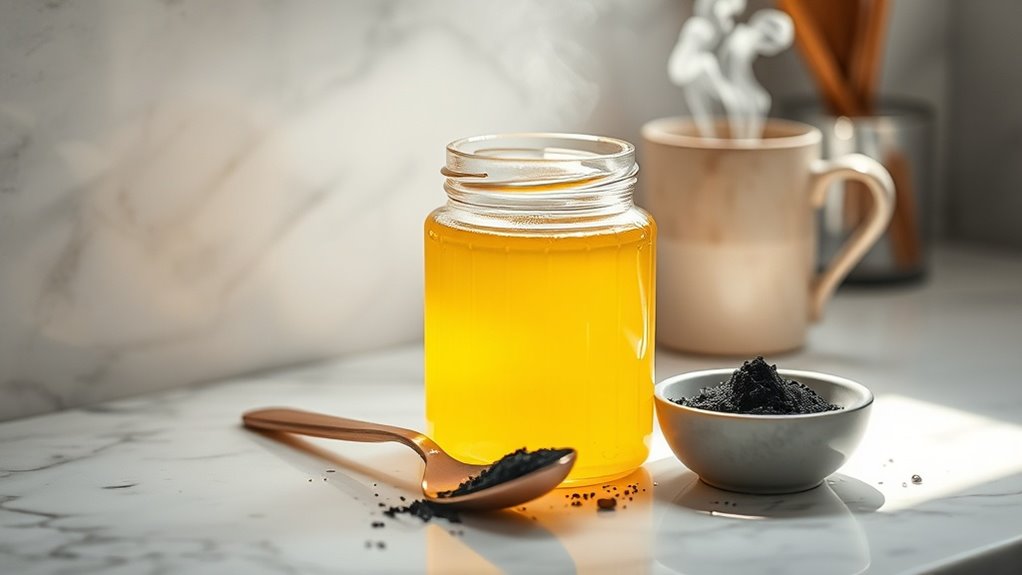
Several adjunctive practices have gained popularity alongside oil pulling, though their evidence bases vary considerably in strength and quality.
Tongue scraping demonstrates moderate efficacy for reducing volatile sulfur compounds and bacterial load on the tongue’s dorsal surface. You’ll find limited but consistent evidence supporting its role in managing halitosis when performed correctly. In traditional Ayurvedic holistic medicine, tongue scraping has been practiced alongside oil pulling techniques like kavala to promote comprehensive oral hygiene.
| Method | Evidence Quality |
|---|---|
| Tongue scraping | Moderate (some RCTs) |
| Activated charcoal | Low (anecdotal mainly) |
| Oil + charcoal combo | Insufficient data |
| Daily scraping frequency | Supported by studies |
Activated charcoal’s purported whitening and detoxifying properties lack robust clinical validation. You’re essentially applying an abrasive substance with unproven benefits and potential enamel-damaging effects. The microbiome disruption remains poorly characterized, warranting cautious implementation until higher-quality research emerges.
Tracking Your Progress: What to Expect Week by Week
Most individuals initiating oil pulling won’t experience dramatic overnight transformations, and you’ll need systematic documentation to distinguish genuine physiological changes from placebo effects.
Week 1-2: You may notice altered oral sensation and increased salivation, though clinical significance remains questionable. Establish baseline measurements: photograph gingival tissues, document bleeding indices, and record subjective assessments.
Week 3: Some practitioners report reduced morning breath and decreased plaque accumulation. However, confounding variables—improved brushing habits, dietary modifications, or heightened awareness—frequently coincide with intervention initiation. The practice relies on lauric acid content in coconut oil to combat harmful bacteria like Streptococcus mutans that contribute to oral health issues.
Week 4: Gingival inflammation changes warrant professional evaluation through standardized periodontal probing. Compare documented baseline data objectively.
Critical considerations for accurate tracking:
- Maintain photographic records under consistent lighting conditions
- Use standardized plaque disclosure tablets weekly
- Schedule professional dental assessment to verify subjective observations
Common Mistakes That Sabotage Your Oil Pulling Results
Why do oil pulling enthusiasts frequently abandon the practice after weeks of inconsistent results? You’re likely committing critical protocol violations that compromise efficacy.
Insufficient Duration: Swishing for less than 10 minutes doesn’t allow adequate bacterial binding to oil molecules. Research suggests 15-20 minutes optimizes microbial reduction.
Excessive Oil Volume: Using more than one tablespoon creates jaw fatigue, preventing sustained practice. You’ll compensate by reducing duration, thereby negating benefits.
Inconsistent Timing: Performing oil pulling after meals or coffee diminishes bacterial load reduction. Fasted morning sessions maximize pathogen exposure to oil.
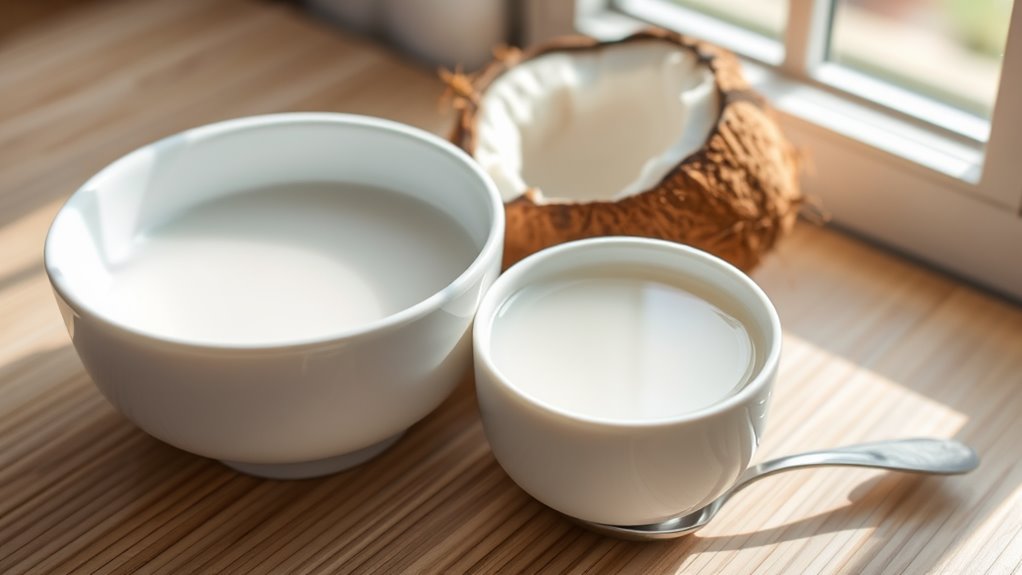
Improper Disposal: Swallowing oil introduces ingested bacteria systemically, potentially causing gastrointestinal distress. Always spit the milky liquid into the trash rather than the sink, as coconut oil solidifies and can clog your plumbing over time.
Premature Expectations: Expecting dramatic results before 21 days contradicts available evidence on microbial colonization patterns. Clinical improvements manifest gradually, requiring sustained adherence.
Combining Oil Pulling With Probiotics and Herbal Rinses for Maximum Benefits
Once you’ve addressed fundamental protocol errors, strategic supplementation may amplify oil pulling’s modest antimicrobial effects—though current evidence remains limited and preliminary. You might consider these adjunctive interventions:
- Oral probiotics (Lactobacillus reuteri, Streptococcus salivarius K12): Colonize oral mucosa after oil pulling removes transient bacteria, potentially establishing beneficial biofilm competition
- Herbal rinses (chlorhexidine alternatives): Tea tree oil dilutions or sage extracts may provide additional antimicrobial coverage without disrupting microbiome diversity
- Timing protocols: Apply probiotics post-oil pulling when pathogenic bacteria populations are temporarily reduced
You’ll find minimal peer-reviewed data supporting synergistic effects between these modalities. Most claims derive from mechanistic hypotheses rather than controlled trials. If you’re implementing combination protocols, monitor outcomes objectively and discontinue ineffective interventions.
Frequently Asked Questions
Can I Do Oil Pulling if I Have Dental Crowns or Fillings?
Yes, you can safely perform oil pulling with crowns or fillings. There’s no clinical evidence that swishing oil damages dental restorations. However, it won’t replace proper oral hygiene, and you shouldn’t expect miraculous improvements in your overall oral health.
Is Oil Pulling Safe During Pregnancy or While Breastfeeding?
Oil pulling is generally considered safe during pregnancy and breastfeeding since you’re not swallowing the oil. However, there’s limited research on pregnant populations. You should consult your healthcare provider before starting, especially if you’re experiencing morning sickness.
Can Children Safely Practice Oil Pulling, and at What Age?
Children shouldn’t practice oil pulling until they’re old enough to avoid swallowing—typically age 5 or older. However, there’s insufficient pediatric safety data, and aspiration risks exist. You’d be better consulting your child’s dentist before attempting this practice.
Will Oil Pulling Interfere With My Prescription Medications or Supplements?
Oil pulling shouldn’t interfere with your medications or supplements since you’re swishing and spitting the oil, not ingesting it. However, there’s limited research on potential interactions, so consult your healthcare provider if you’re taking critical medications.
Can I Drink Coffee or Eat Immediately After Oil Pulling?
You can eat or drink immediately after oil pulling, though practitioners typically recommend rinsing your mouth with water first. There’s no clinical evidence suggesting you must wait, but rinsing removes residual oil before consuming food.