What Are 10 Coconut Oil Benefits Beyond the Kitchen.
Coconut oil isn’t just a kitchen staple—it’s a multi-purpose powerhouse that belongs in your bathroom cabinet, medicine drawer, and beauty routine. Beyond its culinary uses, this tropical treasure offers 10+ proven benefits ranging from skincare and haircare to oral health and wound healing, supported by both centuries of traditional use and modern scientific research. It’s no wonder coconut oil has become one of the most versatile natural products available, celebrated by wellness enthusiasts and researchers alike for its unique medium-chain fatty acid profile. In this guide, we’ll break down 10 evidence-backed, non-culinary applications you can start using today—from moisturizing dry skin to supporting dental hygiene. Let’s explore what makes this ingredient so remarkably versatile and how you can harness its benefits beyond the kitchen.
Natural Skin Moisturizer and Hydration Booster
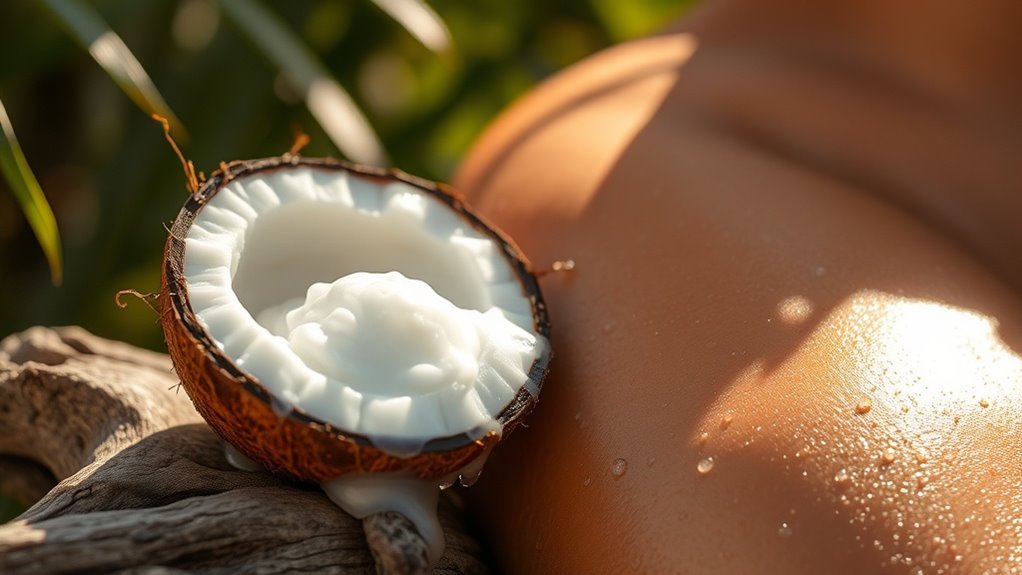
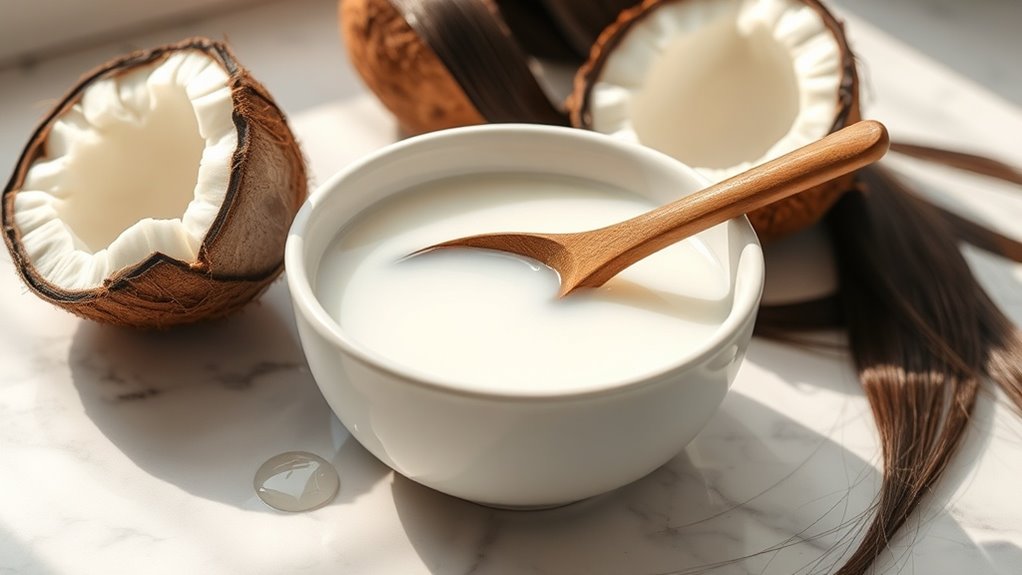
Coconut oil’s efficacy as a skin moisturizer stems from its high concentration of medium-chain fatty acids, particularly lauric acid (45-53%), capric acid (6-10%), and caprylic acid (5-9%). These fatty acids penetrate your skin’s lipid barrier effectively, reinforcing the stratum corneum’s integrity and reducing transepidermal water loss (TEWL).
Clinical studies demonstrate that topical coconut oil application increases skin surface lipid levels and improves barrier function in patients with xerosis and atopic dermatitis. The oil’s occlusive properties create a protective film that locks in moisture while its emollient characteristics soften and smooth your skin’s texture.
You’ll find that virgin coconut oil, which retains higher polyphenol concentrations, provides superior antioxidant benefits compared to refined varieties, protecting against oxidative damage while maintaining ideal hydration levels. The small molecular structure of coconut oil ensures deep skin penetration, delivering nutrients beyond the surface layers for enhanced moisturizing effects.
Hair Deep Conditioning Treatment
Why does coconut oil outperform conventional hair conditioners in restoring damaged keratin structures? Its low molecular weight (approximately 14 carbons) enables lauric acid penetration into the hair shaft’s cortex, unlike silicone-based products that merely coat the cuticle. You’ll achieve superior protein loss prevention when you apply it pre-wash, as studies demonstrate 39% reduction in protein degradation compared to mineral oil and sunflower oil.
For ideal results, you should warm 2-3 tablespoons until liquefied, then distribute through mid-lengths to ends. Leave it for minimum 30 minutes or overnight for severely damaged hair. The medium-chain triglycerides strengthen disulfide bonds within keratin matrices while sealing raised cuticles. You’ll notice reduced hygral fatigue—the swelling-shrinking cycle that weakens hair during washing. The oil’s antimicrobial properties also maintain scalp health, creating optimal conditions for stronger hair growth from the follicle level.
Makeup Remover and Facial Cleanser
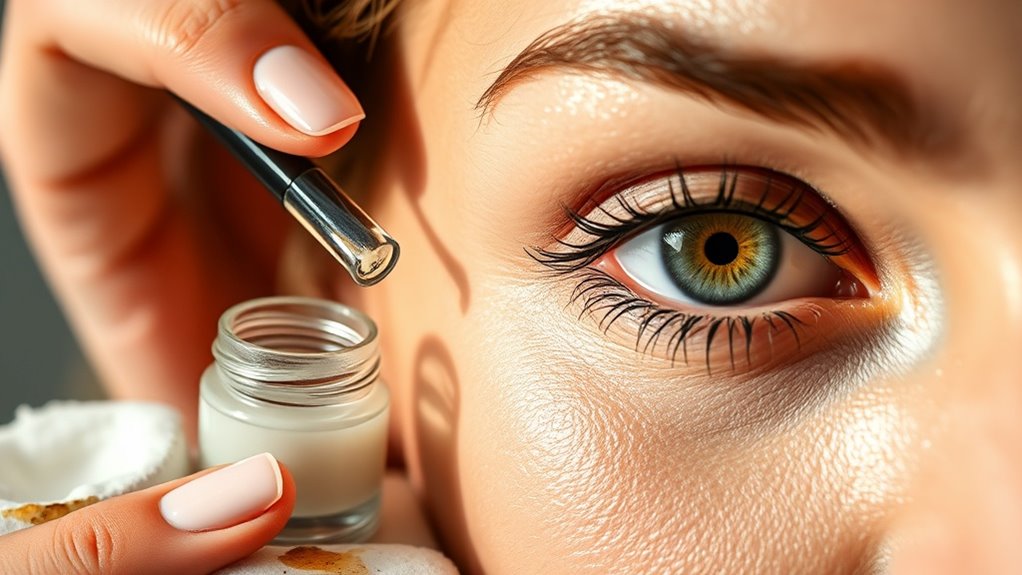
Few cleansing agents match coconut oil’s lipophilic efficacy in dissolving waterproof cosmetics while maintaining the skin’s acid mantle at pH 4.5-5.5. The medium-chain triglycerides penetrate pore-clogging sebum and emulsify synthetic polymers found in long-wear formulations.
You’ll achieve ideal results through this protocol:
- Apply 1 teaspoon unrefined coconut oil to dry facial skin
- Massage in circular motions for 60 seconds, focusing on mascara and eyeliner
- Dampen a microfiber cloth with warm water and press against skin for 10 seconds
- Wipe away dissolved makeup using gentle downward strokes
The lauric acid content (47-53%) provides antimicrobial protection against Propionibacterium acnes while caprylic acid prevents fungal colonization. You’re simultaneously cleansing and fortifying your skin’s lipid barrier without stripping natural ceramides. Beyond makeup removal, coconut oil’s anti-inflammatory properties help soothe irritated skin and reduce redness after the cleansing process.
Teeth Whitening and Oil Pulling Agent
Beyond topical applications, coconut oil’s antimicrobial properties extend to oral health maintenance through the ancient Ayurvedic practice of oil pulling. You’ll swish one tablespoon of coconut oil in your mouth for 15-20 minutes, allowing lauric acid to penetrate bacterial biofilms and reduce Streptococcus mutans colonization—the primary causative agent of dental caries.
Clinical studies demonstrate that oil pulling with coconut oil decreases plaque accumulation and gingivitis markers comparable to chlorhexidine mouthwash. The medium-chain fatty acids inhibit bacterial adhesion to tooth enamel while reducing inflammatory cytokines in gingival tissue.
For teeth whitening, you’ll find coconut oil’s lipophilic properties help remove surface stains through mechanical action rather than chemical bleaching. Research indicates modest whitening effects occur through disruption of chromogenic bacterial colonies and reduction of plaque-associated discoloration. Many practitioners report that consistent daily practice leads to smoother teeth and a noticeable reduction in teeth sensitivity to hot and cold beverages within the first week.
Wound Healing and Skin Repair Support
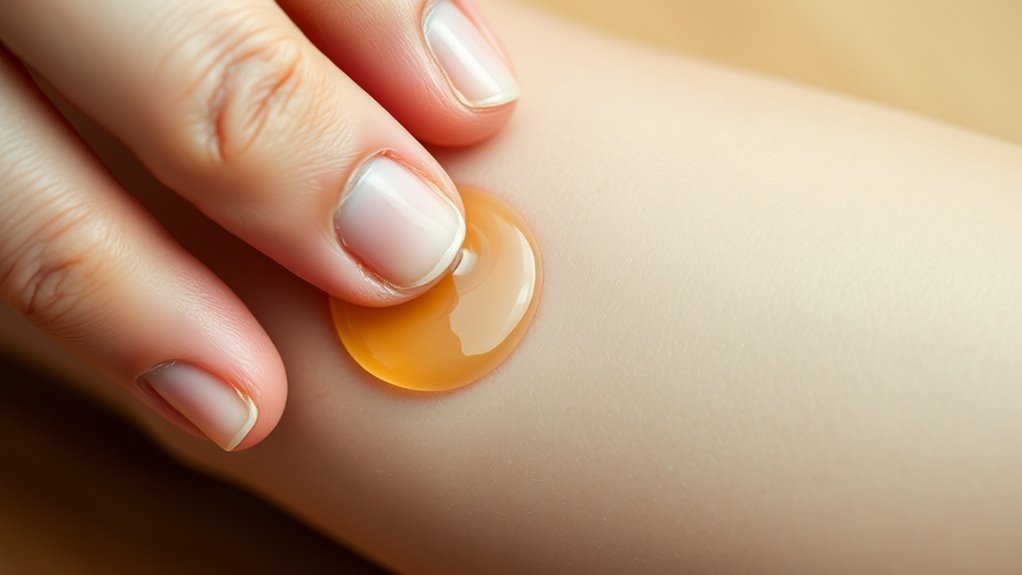
When applied to compromised skin barriers, coconut oil accelerates wound closure through multiple biochemical mechanisms. You’ll benefit from its lauric acid content, which demonstrates antimicrobial activity against common wound pathogens while reducing inflammatory markers at injury sites.
The oil’s medium-chain fatty acids support your skin’s repair processes through:
- Enhanced collagen synthesis promoting structural tissue regeneration
- Improved epithelialization rates accelerating surface layer restoration
- Increased antioxidant enzyme activity protecting newly formed cells from oxidative damage
- Moisturization of wound beds maintaining ideal hydration for cellular migration
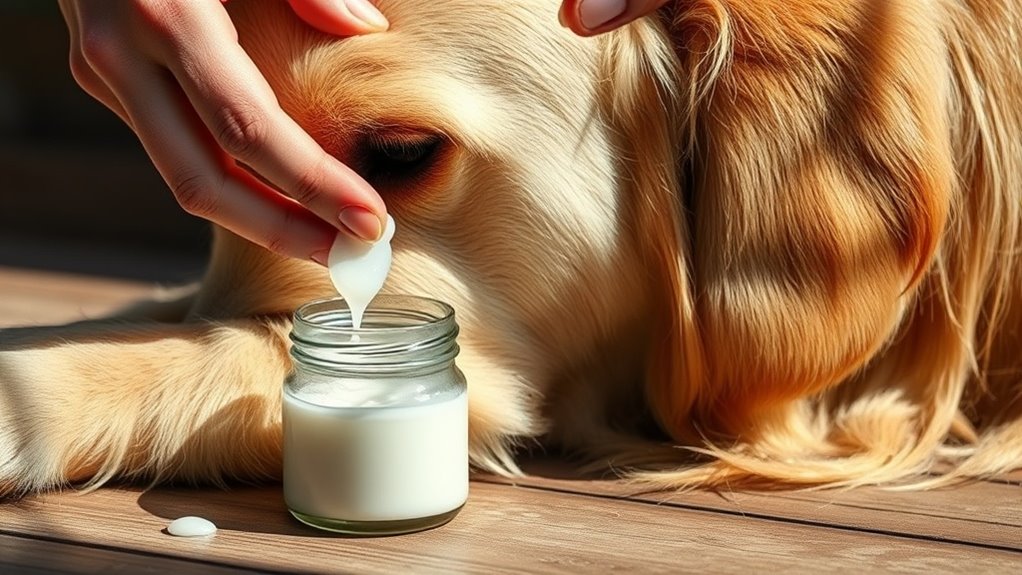
Clinical studies indicate you’ll experience faster healing times when using virgin coconut oil on minor cuts, abrasions, and burns. Its occlusive properties create protective barriers while delivering bioactive compounds directly to damaged tissues. The anti-inflammatory properties of coconut oil also support the healing process for hot spots and other skin conditions by reducing inflammation while maintaining a healthy antibacterial environment.
Natural Deodorant Alternative
Coconut oil’s antimicrobial fatty acids target odor-causing bacteria without disrupting your skin’s natural pH balance or blocking sweat glands like conventional antiperspirants. The lauric acid component exhibits bactericidal activity against Staphylococcus epidermidis and Corynebacterium species, the primary microorganisms responsible for axillary malodor. Unlike aluminum-based commercial deodorants, you’ll maintain normal thermoregulation through perspiration.
Apply virgin coconut oil directly to clean, dry underarms using approximately 1/4 teaspoon per application. The medium-chain triglycerides absorb rapidly without leaving excessive residue. You can enhance antimicrobial efficacy by combining coconut oil with baking soda (sodium bicarbonate) or arrowroot powder for moisture absorption. Add essential oils like tea tree or lavender for additional antibacterial properties. Reapplication becomes necessary after vigorous physical activity. This approach proves particularly beneficial if you’re experiencing contact dermatitis or hypersensitivity reactions from synthetic fragrance compounds. The same antimicrobial properties that help combat acne-causing bacteria on facial skin also make coconut oil effective at neutralizing underarm odor.
Massage Oil for Muscle Relief
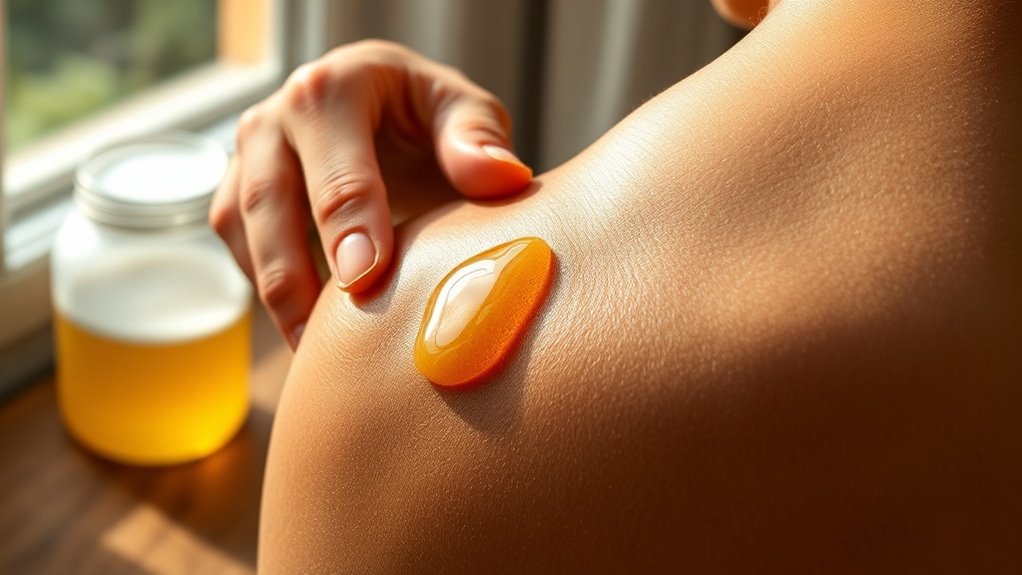
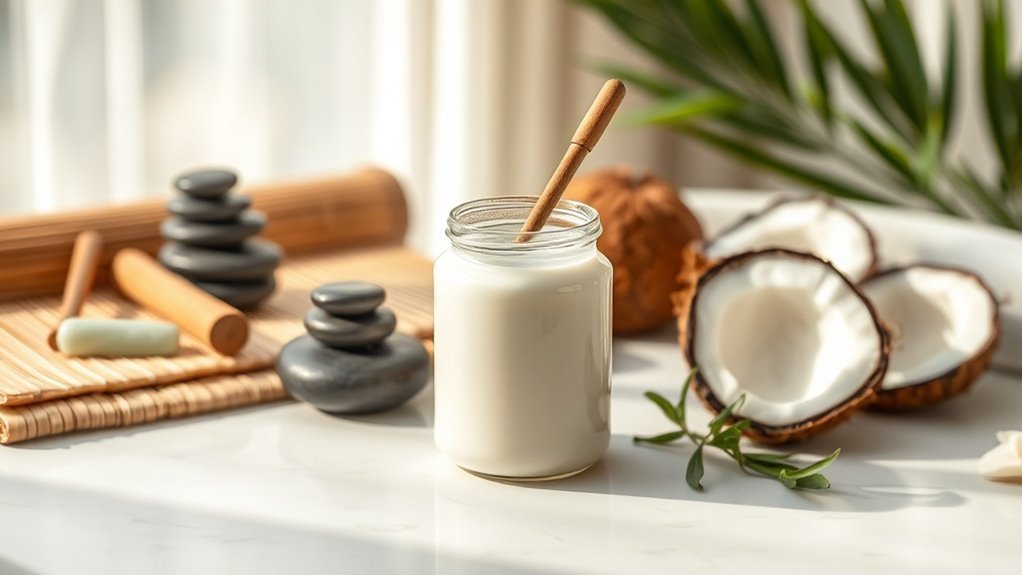
The anti-inflammatory properties of medium-chain fatty acids make coconut oil an effective carrier base for therapeutic massage applications targeting muscular discomfort. You’ll find its lauric acid content penetrates tissue layers efficiently, delivering targeted relief to affected muscle groups.
Optimal Application Protocol:
- Pre-workout preparation – Apply 10-15 minutes before exercise to enhance tissue pliability and reduce injury risk
- Post-exercise recovery – Massage into fatigued muscles within 30 minutes to minimize delayed-onset muscle soreness (DOMS)
- Chronic tension management – Use consistent pressure during application to address trigger points and fascial restrictions
- Enhanced absorption – Warm the oil to body temperature before use to improve caprylic acid penetration rates
You can blend it with essential oils like peppermint or eucalyptus for synergistic analgesic effects.
Lip Balm and Chapped Lip Treatment
Apply a thin layer directly to affected tissue three times daily. You’re creating a semi-occlusive dressing that reduces water vapor transmission rate by 60-70% while maintaining tissue oxygenation.
Unlike petroleum-based alternatives, coconut oil’s biodegradable structure integrates seamlessly with endogenous lipids.
Cuticle and Nail Strengthening Treatment
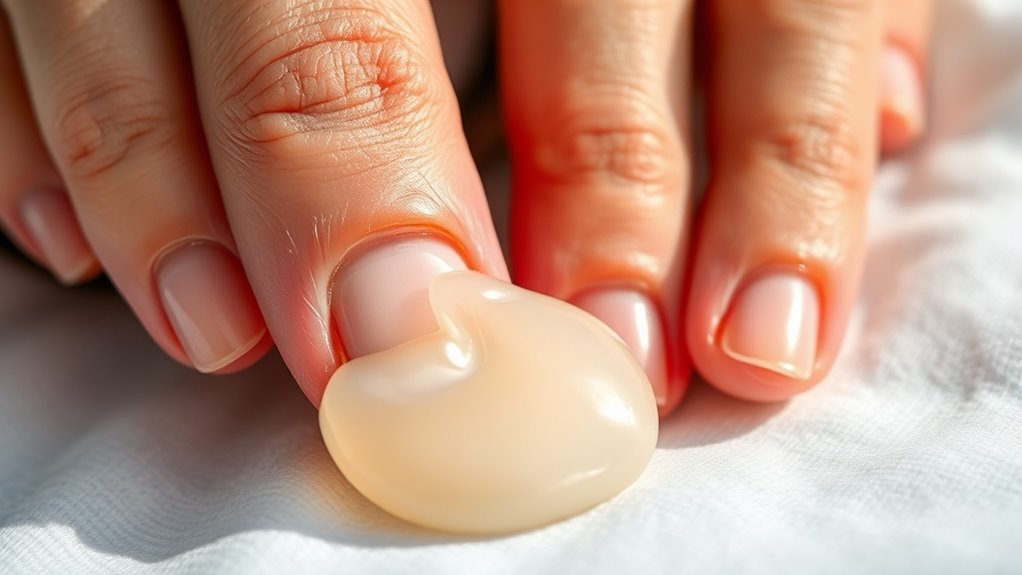
Everyone experiences brittle nails and damaged cuticles at some point, but you’ll find that coconut oil’s 48% lauric acid content directly addresses the structural deficiencies in keratin synthesis. The medium-chain fatty acids penetrate the nail matrix, facilitating protein cross-linking that enhances structural integrity.
Apply coconut oil using this evidence-based protocol:
- Warm 1/2 teaspoon until liquefied (76°F melting point)
- Massage into each cuticle for 30 seconds to maximize dermal absorption
- Apply residual oil across nail plates in unidirectional strokes
- Allow 10-minute penetration period before removing excess
The caprylic and capric acids present in coconut oil demonstrate antimicrobial properties against onychomycosis-causing pathogens while simultaneously delivering essential fatty acids that reduce perionychium inflammation and promote collagen deposition in the nail bed.
Body Scrub Base and Exfoliation Aid
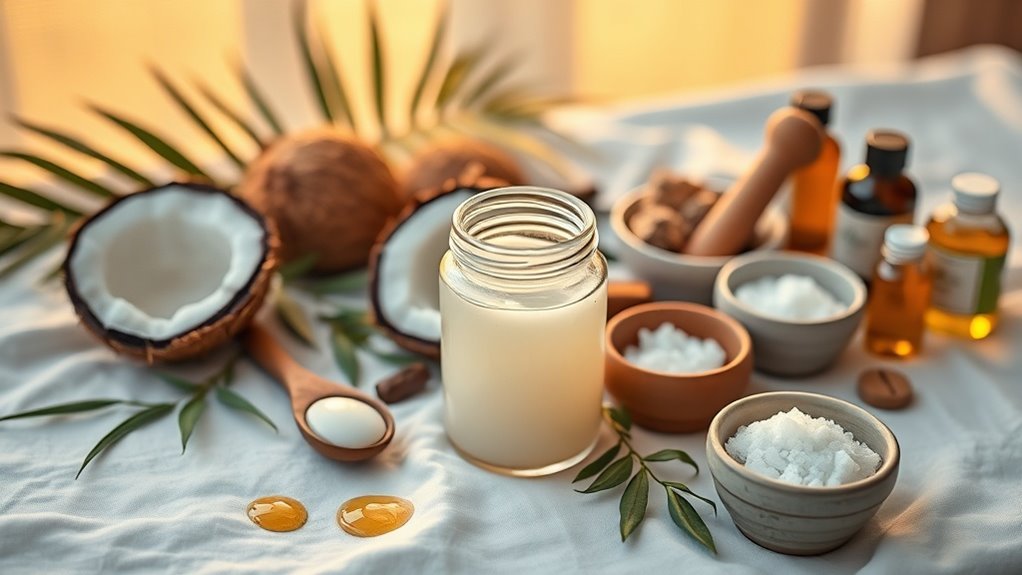
Mechanical exfoliation combined with coconut oil’s emollient properties creates an ideal delivery system for removing senescent corneocytes while maintaining the skin’s lipid barrier integrity. You’ll achieve perfect results by combining coconut oil with abrasive agents like coarse sea salt, coffee grounds, or sugar crystals in 2:1 ratios.
The medium-chain triglycerides in coconut oil facilitate simultaneous exfoliation and moisturization, preventing transepidermal water loss that typically occurs with conventional scrubs. You’re protecting the stratum corneum while removing dead cellular debris through this dual-action approach.
Apply the mixture using circular motions with moderate pressure for 60-90 seconds. The lauric acid content provides antimicrobial benefits during the exfoliation process, reducing bacterial colonization in follicular openings. You’ll notice improved cellular turnover rates and enhanced product penetration following treatment.