How to Try Coconut Oil Pulling in Your Morning Routine.
Looking for a natural way to support your oral health that costs pennies per day? This coconut oil pulling routine takes just 15-20 minutes each morning and may help reduce harmful bacteria in your mouth using antimicrobial properties found in coconut oil. You’ll need only one ingredient—organic coconut oil—and the technique is incredibly simple to master. While it’s an ancient practice, recent studies show promising results for oral hygiene. Ready to give it a try? Here’s exactly how to make it part of your morning routine.
What Is Oil Pulling and How Does It Work?

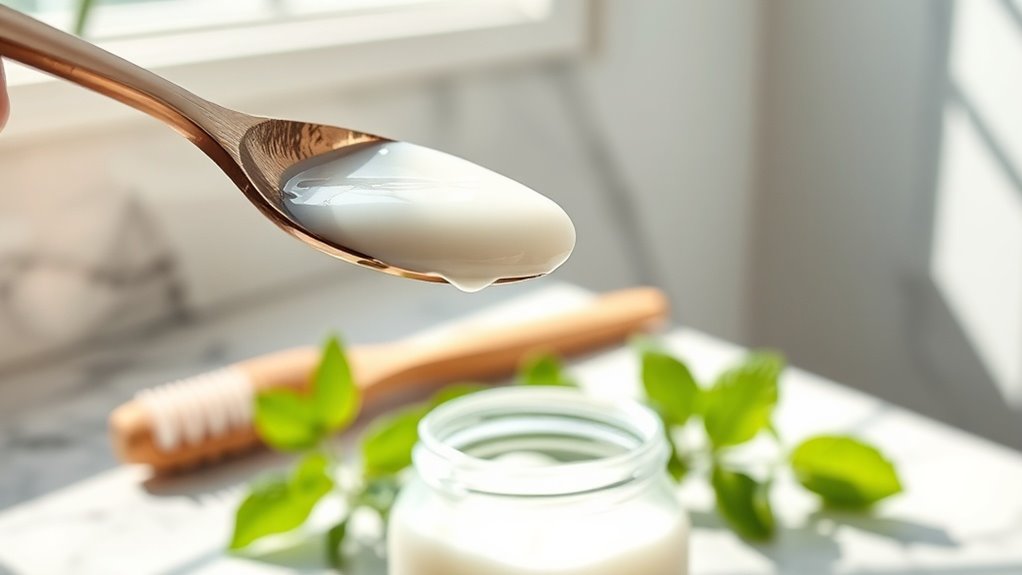
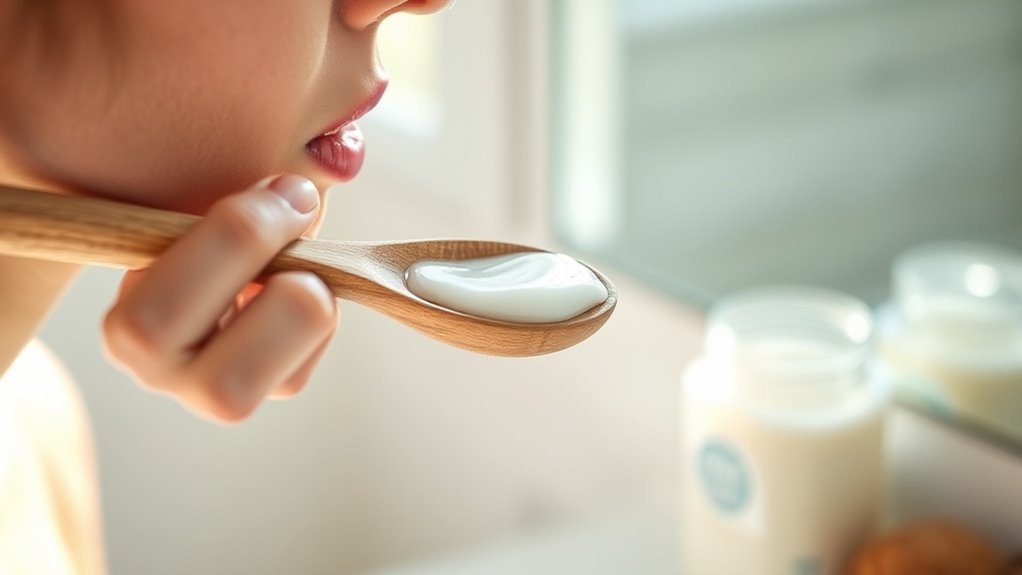
Oil pulling involves swishing approximately one tablespoon of oil—traditionally coconut, sesame, or sunflower oil—in your mouth for 15-20 minutes before spitting it out. This Ayurvedic practice theoretically works through a mechanical process where lipids in the oil bind to bacteria, toxins, and plaque on your teeth and gums. When you spit out the oil, you’re removing these unwanted substances from your oral cavity.
Coconut oil pulling has gained particular attention due to lauric acid, a medium-chain fatty acid with documented antimicrobial properties. Research suggests it may reduce certain oral bacteria, including Streptococcus mutans. The practice is particularly effective in reducing plaque formation and penetrating oral biofilms that harbor harmful bacteria. However, you shouldn’t view coconut oil pulling as a replacement for conventional oral hygiene. It’s best considered a supplementary practice that works alongside brushing and flossing, not instead of them.
Why Choose Coconut Oil for This Practice?
While various oils can be used for oil pulling, coconut oil offers distinct advantages that make it particularly suitable for this practice.
The high concentration of lauric acid in coconut oil provides antimicrobial properties that may enhance the oral health benefits beyond simple mechanical cleaning. You’ll also find that coconut oil’s mild flavor and smooth consistency at body temperature make it easier to tolerate during the recommended 15-20 minute pulling session. Research has demonstrated that oil pulling with coconut oil can reduce plaque and gingivitis with effectiveness similar to chlorhexidine mouthwash in some studies.
Antimicrobial Properties of Lauric Acid
Approximately 50% of coconut oil’s fatty acid composition consists of lauric acid, a medium-chain saturated fatty acid that demonstrates significant antimicrobial activity. When you swish coconut oil in your mouth, salivary enzymes convert lauric acid into monolaurin, which exhibits bactericidal effects against Streptococcus mutans and other oral pathogens.
Research indicates that monolaurin disrupts bacterial cell membranes, potentially reducing plaque formation and gingivitis markers. You’ll find that lauric acid also demonstrates antifungal properties against Candida species commonly present in oral cavities. While preliminary studies show promise, you should understand that current evidence remains limited.
The antimicrobial mechanism suggests coconut oil may offer advantages over other oils with lower lauric acid content, though you shouldn’t consider it a replacement for conventional oral hygiene practices.
Pleasant Taste and Texture
Beyond its biochemical properties, coconut oil’s sensory characteristics profoundly influence adherence to oil pulling protocols. You’ll find coconut oil presents distinct advantages over alternatives like sesame or sunflower oil.
Key sensory benefits include:
- Mild, neutral flavor profile that doesn’t trigger gagging reflexes common with more pungent oils
- Semi-solid consistency at room temperature (76°F melting point) that quickly liquefies, creating manageable viscosity
- Absence of bitter or astringent notes that typically discourage sustained practice
Clinical observations suggest improved patient compliance correlates with palatability. You’re more likely to maintain the recommended 10-20 minute duration when using coconut oil versus alternatives that may induce discomfort. While individual taste preferences vary, coconut oil’s organoleptic properties generally facilitate consistent practice—essential for achieving potential therapeutic outcomes.
Best Time to Add Oil Pulling to Your Morning Schedule

You’ll achieve ideal results by incorporating oil pulling into your morning routine before consuming any food or beverages. Clinical studies suggest performing this practice immediately after tongue scraping, as the mechanical removal of coating enhances the antimicrobial contact between oil and oral tissues.
This timing allows the oil to interact with bacteria accumulated overnight while your stomach remains empty, potentially maximizing therapeutic benefits. Many practitioners report a surge in morning energy when they consistently complete their oil pulling session before breakfast, eliminating the need for their usual caffeine intake.
Before Breakfast Works Best
While coconut oil pulling can be performed at any time, practicing it before breakfast on an empty stomach optimizes its therapeutic potential. This timing maximizes bacterial load removal accumulated during nocturnal oral microbiome activity and prevents interference from food particles or beverages.
Optimal morning sequence for oil pulling:
- Upon waking – Perform immediately after rising, when bacterial colonization reaches peak levels from overnight oral stasis
- Before water consumption – Complete the practice prior to drinking fluids to avoid diluting antimicrobial efficacy
- Pre-tooth brushing – Oil pull first, then brush teeth to mechanically remove dislodged debris and bacterial biofilm
Research suggests fasting conditions enhance lipid-mediated bacterial adhesion and subsequent removal. You’ll likely experience improved outcomes when you maintain this pre-breakfast protocol consistently over 2-4 weeks.
After Tongue Scraping Ideal
Although both practices independently reduce oral bacterial burden, performing tongue scraping immediately before oil pulling creates a synergistic effect that amplifies antimicrobial outcomes. You’ll remove the overnight accumulation of bacteria, dead cells, and debris from your tongue’s surface, preventing these contaminants from redistributing during the swishing process.
This sequential approach optimizes coconut oil’s lauric acid contact with cleaner oral tissues, potentially enhancing its antimicrobial efficacy against Streptococcus mutans and other pathogenic organisms.
Research suggests this combination may improve outcomes for gingivitis and plaque reduction. You should use a copper or stainless-steel tongue scraper, applying gentle pressure from back to front three times. Rinse thoroughly, then immediately begin oil pulling while your mouth remains relatively bacteria-free, maximizing therapeutic potential.
Step-by-Step Guide to Coconut Oil Pulling
Before initiating coconut oil pulling, you’ll need to understand the proper technique to maximize potential benefits while minimizing discomfort. The protocol involves specific timing and methodology that’s been studied in oral health research.
Standard Oil Pulling Protocol:
-
Measure one tablespoon of coconut oil and place it in your mouth on an empty stomach, allowing it to liquefy at body temperature.
-
Swish gently for 15-20 minutes using a push-pull motion through teeth, avoiding vigorous swishing that may cause jaw fatigue or accidental swallowing.
-
Expectorate into trash receptacle rather than sink to prevent plumbing issues, then rinse mouth with warm water before brushing teeth.
You shouldn’t swallow the oil, as it theoretically contains drawn-out bacteria and toxins. The lauric acid content in coconut oil works to break down harmful bacteria’s cell walls during the swishing process, which is why maintaining the full duration is important for effectiveness.
Common Mistakes to Avoid When Starting Out

Why do beginners frequently abandon oil pulling within the first week despite initial enthusiasm? Research indicates it’s typically due to preventable errors.
Don’t use excessive amounts—one tablespoon suffices. More oil won’t enhance benefits and increases gag reflex likelihood. You shouldn’t pull vigorously; gentle swishing prevents jaw fatigue and TMJ strain. Avoid swallowing the oil, as it contains mobilized bacteria and toxins.
Don’t exceed 20 minutes initially; start with 5-10 minutes to build tolerance. You mustn’t skip spitting into trash receptacles—coconut oil solidifies in pipes, causing plumbing issues. Don’t pull on an empty stomach if you’re nauseous; timing flexibility exists despite traditional Ayurvedic recommendations.
Finally, you shouldn’t replace evidence-based oral hygiene practices. Oil pulling supplements, rather than substitutes, conventional brushing and flossing protocols. While coconut oil’s lauric acid content effectively targets harmful bacteria like Streptococcus mutans, it works best alongside regular dental care routines.
Expected Results and How Long Before You See Benefits
While individual responses vary considerably, most practitioners report initial changes within 7-14 days of consistent coconut oil pulling. You’ll notice superficial improvements first, with deeper systemic effects requiring extended practice.
Timeline of Observable Benefits:
-
Days 7-14: Reduced plaque accumulation, fresher breath, and decreased gingival sensitivity typically emerge as primary indicators of efficacy.
-
Weeks 3-4: Enhanced tooth surface smoothness and subtle whitening effects become apparent through mechanical lipid-based stain removal.
-
Months 2-3: Potential improvements in overall oral microbiome balance and reduced inflammatory markers in periodontal tissues. Some practitioners have documented a reduction in gum pocket depth by an average of 2mm after two months of daily practice, suggesting measurable decreases in inflammation.
Clinical evidence remains limited, though preliminary studies suggest antimicrobial properties of lauric acid may contribute to these outcomes. Document your progress objectively, and consult your dental professional if you’re experiencing persistent oral health concerns despite consistent practice.