
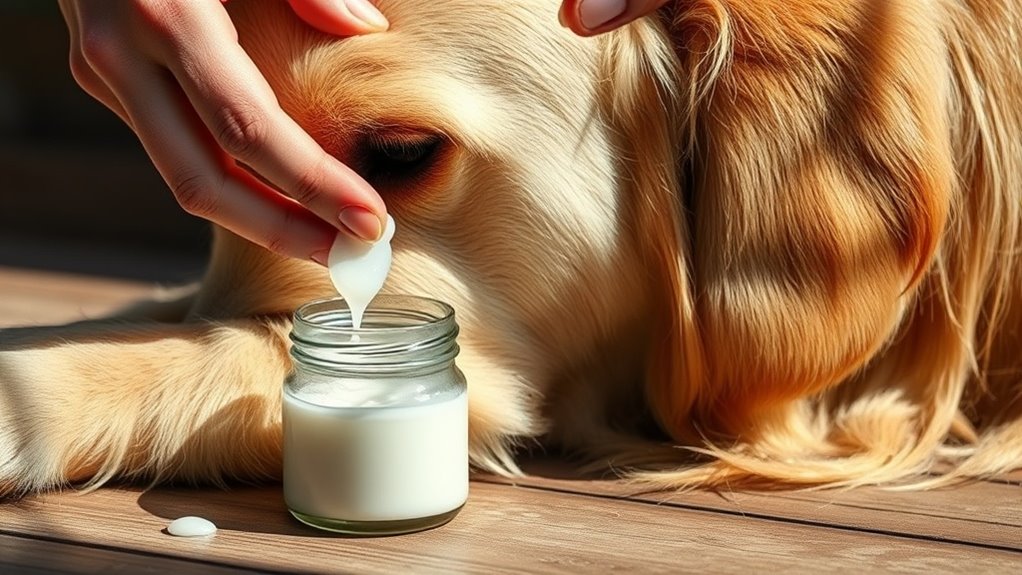
How to Use Coconut Oil for Dogs’ Skin and Coat Health.
Is your dog struggling with dry, itchy skin or a dull coat? This simple coconut oil treatment uses just one natural ingredient and takes only 5 minutes to apply, potentially soothing irritation and adding shine to your pup’s fur. You don’t need expensive grooming products or trips to the salon—coconut oil is affordable, gentle, and safe for most dogs when used correctly. Ready to give your furry friend a spa-worthy coat boost? Here’s exactly how to use coconut oil for healthier skin and a glossier coat.
Benefits of Coconut Oil for Your Dog’s Skin and Coat

Because coconut oil contains medium-chain triglycerides (MCTs)—primarily lauric acid at approximately 50% composition—it offers antimicrobial and anti-inflammatory properties that can address several dermatological conditions in canines. When you apply coconut oil for dogs topically, it may help manage bacterial and fungal infections while reducing pruritus (itching). The lipid barrier enhancement can potentially alleviate symptoms of atopic dermatitis and dry, flaking skin.
Research suggests that lauric acid’s antimicrobial activity against Staphylococcus species could benefit dogs with pyoderma. Additionally, the oil’s emollient properties may improve coat luster and texture. The antioxidant properties in coconut oil can further promote a healthier skin and coat by protecting against oxidative damage. However, you should note that clinical studies specifically examining coconut oil for dogs remain limited. While preliminary evidence appears promising, results can vary based on individual factors including breed, existing conditions, and application methods.
Choosing the Right Type of Coconut Oil for Your Pet
When selecting coconut oil for your dog’s dermatological care, you’ll want to prioritize virgin (unrefined) coconut oil over refined alternatives, as the former retains higher concentrations of lauric acid and phenolic compounds through minimal processing methods.
Cold-pressed extraction preserves antimicrobial properties that may support skin barrier function and reduce bacterial colonization. Look for organic certifications to minimize pesticide exposure, though evidence linking organic status to superior therapeutic outcomes remains limited.
Fractionated coconut oil, while stable at room temperature, lacks medium-chain triglycerides that contribute to potential anti-inflammatory effects. You’ll find that virgin coconut oil’s slight coconut aroma indicates intact bioactive compounds. Store your selection in cool, dark conditions to prevent oxidative degradation of beneficial fatty acids.
The medium-chain fatty acids in coconut oil work to restore moisture balance and reduce inflammation in dry, itchy skin when applied topically.
Topical Application Methods and Dosage Guidelines
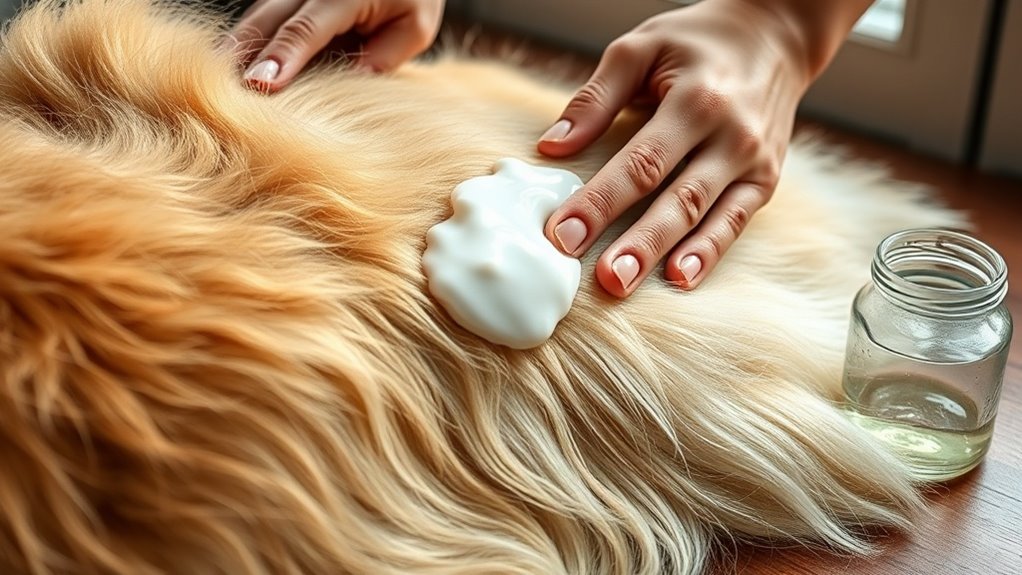
For topical application, you’ll achieve ideal dermal absorption by warming the coconut oil between your palms until it liquefies, then massaging it systematically into your dog’s skin using circular motions that promote capillary circulation. Apply 1 teaspoon per 10 pounds of body weight, distributing evenly across affected areas or the entire coat. Evidence suggests starting with weekly applications, then adjusting frequency based on your dog’s epidermal response.
For localized conditions like hot spots or dry patches, concentrated application twice daily may prove beneficial. Allow 5-10 minutes for absorption before permitting your dog to shake or lick the treated areas. Clinical observations indicate most dogs tolerate coconut oil well topically, though patch testing remains advisable for animals with documented sensitivities or compromised skin barriers. The antibacterial and anti-inflammatory properties of coconut oil assist with various skin conditions while maintaining a healthy skin environment through its unique composition of medium-chain triglycerides.
Adding Coconut Oil to Your Dog’s Diet
Integrating coconut oil into your dog’s diet requires careful dosing to maximize medium-chain triglyceride (MCT) benefits while minimizing gastrointestinal disturbances. Start with ¼ teaspoon per 10 pounds of body weight daily, gradually increasing over two weeks to prevent diarrhea or pancreatitis exacerbation. Mix thoroughly with meals to enhance palatability and absorption of fat-soluble nutrients.
Monitor your dog’s response carefully—approximately 15% of canines experience initial digestive upset. The lauric acid content (45-53%) may support immune function and reduce inflammation markers, though research remains preliminary. Consider refrigerated storage to prevent rancidity and maintain fatty acid integrity.
Consult your veterinarian before supplementation, particularly for dogs with hyperlipidemia, obesity, or pre-existing pancreatic conditions. Dietary coconut oil shows promise for dermatological improvement when combined with topical applications. The antimicrobial properties of coconut oil can also help combat skin infections that manifest as odors, discharge, or crusty patches on your dog’s coat.
Safety Precautions and Potential Side Effects to Watch For
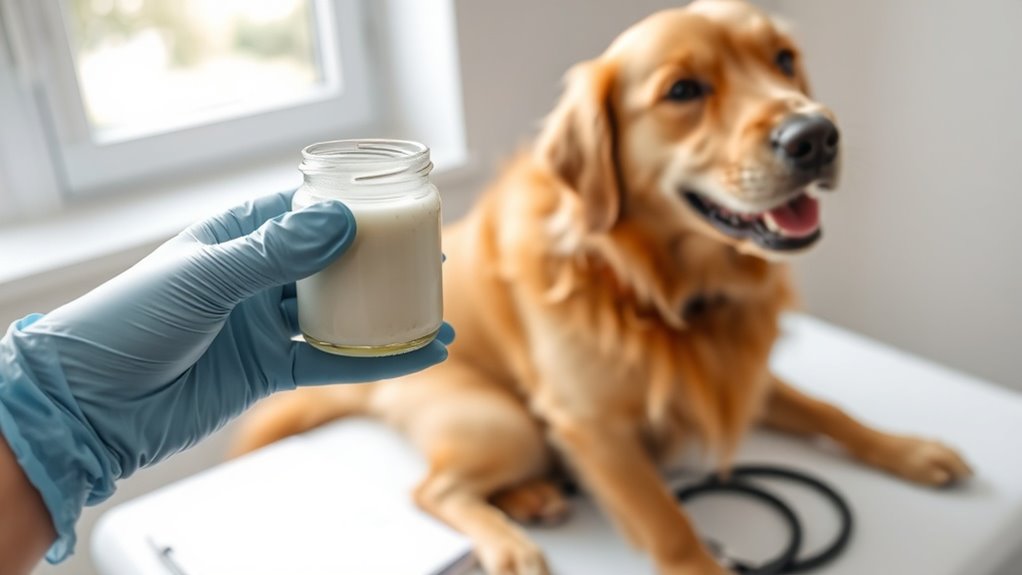
Despite coconut oil’s generally recognized safety profile, you’ll need to monitor several adverse reactions that affect 10-20% of dogs during initial use. Gastrointestinal disturbances—including diarrhea, vomiting, and steatorrhea—commonly occur when you exceed recommended dosing protocols (1 teaspoon per 10 pounds body weight daily).
You should observe for lipemia, particularly in dogs with pre-existing pancreatitis or hyperlipidemia. Dermatological hypersensitivity reactions, though rare, manifest as pruritus, erythema, or contact dermatitis. You’ll want to discontinue application if these symptoms emerge.
Weight gain represents a long-term concern due to coconut oil’s caloric density (120 calories per tablespoon). You must account for these additional calories within your dog’s total daily energy requirements. While medium-chain triglycerides are rapidly converted into energy rather than stored as fat, excessive intake can still contribute to weight issues if not properly balanced with your dog’s activity level. Consult your veterinarian before implementing coconut oil supplementation, especially for dogs with metabolic disorders or immunocompromised conditions.