Can These 6 Stomach Bug Remedies Help You Feel Better Fast.
You’re doubled over with nausea, stomach cramps are making you miserable, and you need relief NOW—not in three days. Good news: yes, these six stomach bug remedies may help you feel significantly better within hours, not days. From ginger tea that can ease nausea in 15-20 minutes to electrolyte solutions that combat dehydration fast, these aren’t complicated treatments requiring a pharmacy run. I’m cutting through the noise to show you what may actually work—simple, kitchen-friendly solutions you can start using in the next five minutes.
Stay Hydrated With Electrolyte Solutions
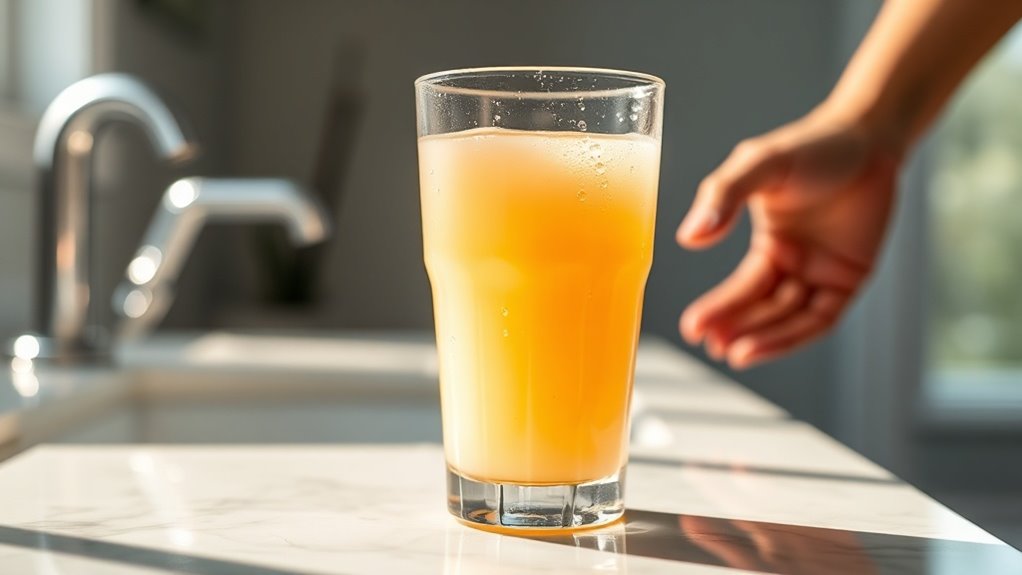
When nausea and vomiting strike, your body loses far more than just water—it depletes essential minerals like sodium, potassium, and chloride that keep your cells functioning properly. That’s why plain water isn’t enough when you’re sick.
You’ll recover faster by sipping oral rehydration solutions like Pedialyte or electrolyte drinks specifically designed to replace what you’ve lost. Among stomach bug remedies, these solutions prevent dangerous dehydration while helping your body maintain proper fluid balance.
Take small, frequent sips every few minutes rather than gulping large amounts, which can trigger more nausea and set back your recovery. If you can’t keep liquids down, try sucking on ice chips as an alternative way to gradually introduce fluids back into your system.
Follow the BRAT Diet for Gentle Nutrition
Once your stomach begins to settle and you can keep liquids down, you’ll need to reintroduce solid foods carefully—and that’s where the BRAT diet comes in.
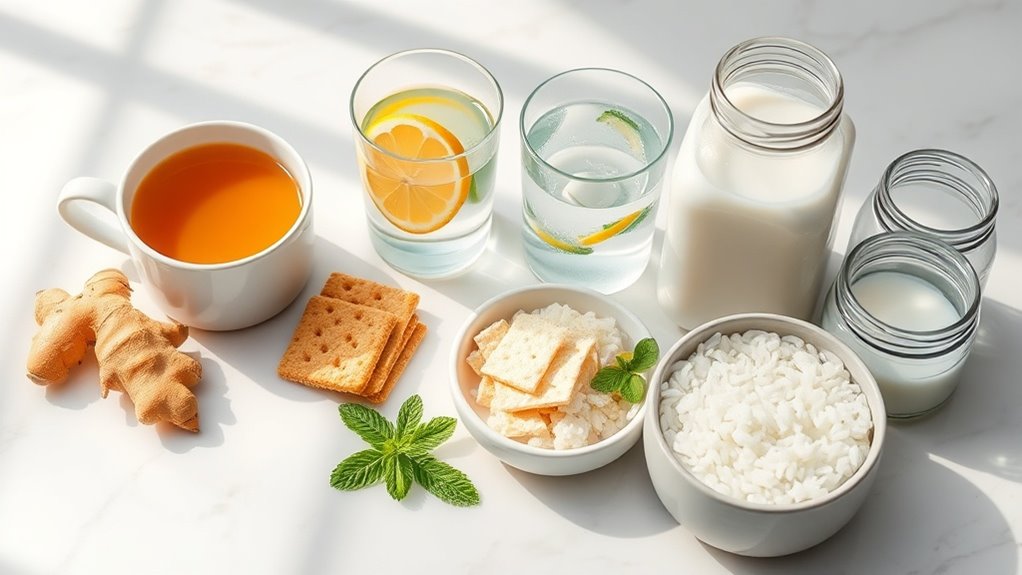
BRAT stands for bananas, rice, applesauce, and toast. These bland, low-fiber foods are easy to digest and won’t irritate your sensitive stomach. They’ll also help firm up loose stools.
Start with small portions every few hours rather than large meals. As you tolerate these foods, gradually add other gentle options like plain crackers, boiled potatoes, or chicken broth. Avoid dairy, fatty foods, and spicy dishes until you’ve fully recovered.
This diet should be followed for 24-48 hours after acute symptoms subside, along with consistent fluid intake to support your recovery.
Use Ginger to Calm Nausea and Upset Stomach

Ginger has been used for centuries to combat nausea, and modern research confirms its effectiveness against stomach bugs. The active compounds in ginger help settle your stomach and reduce vomiting by blocking certain receptors in your digestive system.
You can consume ginger in several forms: fresh ginger tea, ginger ale made with real ginger, candied ginger, or ginger capsules. Start with small amounts to test your tolerance. Steep fresh ginger slices in hot water for ten minutes, then sip slowly.
If you’re experiencing severe vomiting, try sucking on crystallized ginger pieces for gradual relief without overwhelming your system. The gingerols and shogaols in ginger also provide antimicrobial properties that can help combat the pathogens responsible for gastroenteritis.
Apply Heat Therapy to Ease Abdominal Cramps
Heat therapy offers quick relief from stomach cramps by relaxing your abdominal muscles and blocking pain signals to your brain. You’ll get the best results using a heating pad, hot water bottle, or warm compress applied directly to your stomach for 15-20 minute intervals.
Always place a thin cloth between the heat source and your skin to prevent burns, and avoid falling asleep with heat applied. This method works particularly well alongside other natural remedies like peppermint’s antispasmodic effects, which can further reduce abdominal cramping during recovery.
How Heat Reduces Pain
When stomach cramps strike, applying warmth to your abdomen triggers several pain-relieving mechanisms in your body.
Heat therapy works by:
- Dilating blood vessels to increase circulation and deliver oxygen to cramped muscles
- Blocking pain signals from reaching your brain through sensory receptor stimulation
- Relaxing tense abdominal muscles that cause sharp, uncomfortable spasms
- Reducing inflammatory compounds in affected tissues
You’ll typically feel relief within 15-20 minutes of application. Use a heating pad set on low-to-medium or a warm water bottle wrapped in a thin towel. Keep the temperature comfortable—not scorching—to avoid skin irritation while maximizing therapeutic benefits.
Best Heat Application Methods
Several methods can deliver soothing warmth to your cramping abdomen, each with distinct advantages depending on your situation and available resources.
A heating pad offers adjustable temperature control and hands-free convenience. You’ll find electric versions provide consistent heat, while microwaveable pads work during power outages.
Hot water bottles deliver sustained warmth and cost virtually nothing to use. Fill them with water between 104-113°F to prevent burns.
Warm baths immerse your entire body, promoting overall relaxation alongside targeted relief. Add Epsom salts to enhance muscle-soothing effects.
For portable relief, adhesive heat patches stick directly to clothing, letting you move freely while receiving continuous therapy.
Safety Tips and Precautions
While heat therapy provides effective relief, improper application can cause burns or worsen certain conditions. You’ll need to follow these essential safety measures:
- Test temperature first – Always check heat sources against your inner wrist before applying to your abdomen
- Limit duration – Don’t exceed 20-minute sessions to prevent skin damage
- Avoid broken skin – Never apply heat to wounds, rashes, or inflamed areas
- Skip if feverish – Heat therapy can raise body temperature when you’re already fighting a fever
If you’re pregnant or have diabetes, consult your doctor before using heat therapy.
Try Probiotics to Restore Gut Balance
Probiotics introduce beneficial bacteria into your digestive system, helping counteract the harmful microorganisms that often cause stomach bugs. You’ll find these live cultures in yogurt, kefir, and supplement form. They work by restoring your gut’s natural balance, which gets disrupted during illness.
Start with small amounts to see how your body responds. Choose products containing Lactobacillus or Bifidobacterium strains, as research shows they’re most effective for digestive issues. You can begin taking probiotics once vomiting subsides and you’re tolerating liquids. They’ll support your recovery by strengthening your intestinal barrier and reducing symptom duration. Probiotic-rich foods can restore gut bacteria balance during recovery, making them a valuable addition to your treatment plan.
Get Adequate Rest to Support Your Recovery

Your body needs sleep to fight off infections and repair damaged tissues, making rest one of your most powerful tools during a stomach bug. When you’re sick, your immune system works overtime, requiring extra energy reserves.
To maximize your recovery:
- Sleep 8-10 hours nightly until symptoms improve
- Take short naps during the day when fatigue hits
- Elevate your head slightly to reduce nausea while sleeping
- Keep a bucket nearby for nighttime emergencies
Avoid strenuous activities and work if possible. Your body can’t heal efficiently while juggling other demands, so prioritize rest above everything else. If you’re struggling to fall asleep despite exhaustion, consider using essential oils like lavender in a diffuser to promote relaxation and help your body get the restorative sleep it needs.