
Why Does Acne Flare Up in Winter and 6 Care Solutions.
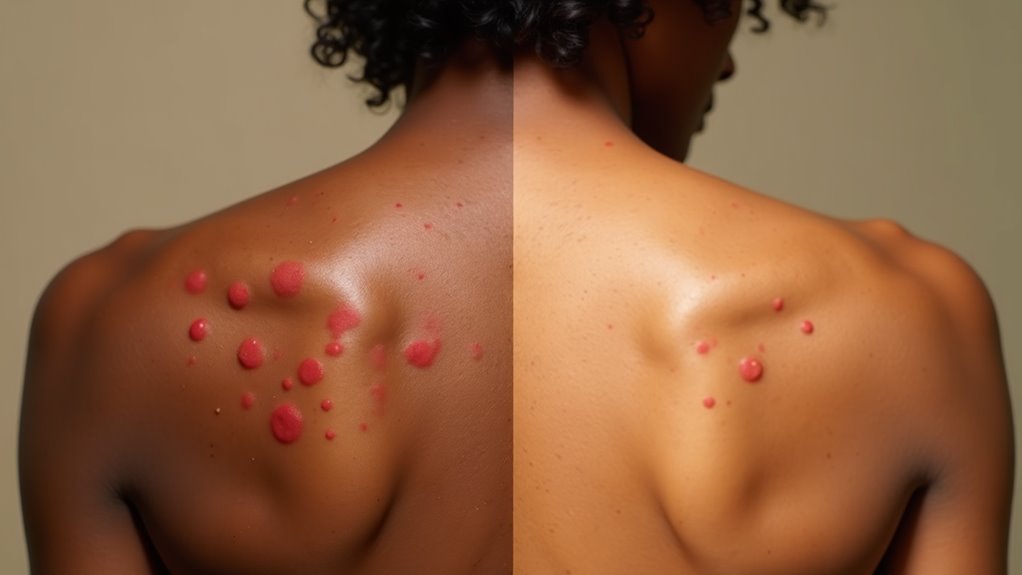
Why does your skin suddenly break out when winter arrives, even though your routine hasn’t changed? Winter acne occurs when cold outdoor air and dry indoor heating strip your skin’s protective moisture barrier, triggering your oil glands to overproduce sebum while dead skin cells accumulate more rapidly—creating the perfect conditions for clogged pores and inflammation. This seasonal shift affects even people who rarely deal with breakouts during warmer months, making it one of the most frustrating skincare challenges. Understanding the specific mechanisms behind winter flare-ups means you can make targeted adjustments instead of guessing what might help. You’ll learn exactly why your skin reacts this way and discover six practical solutions that address the root causes. Let’s break down what’s really happening.
Cold Air Strips Away Natural Skin Oils
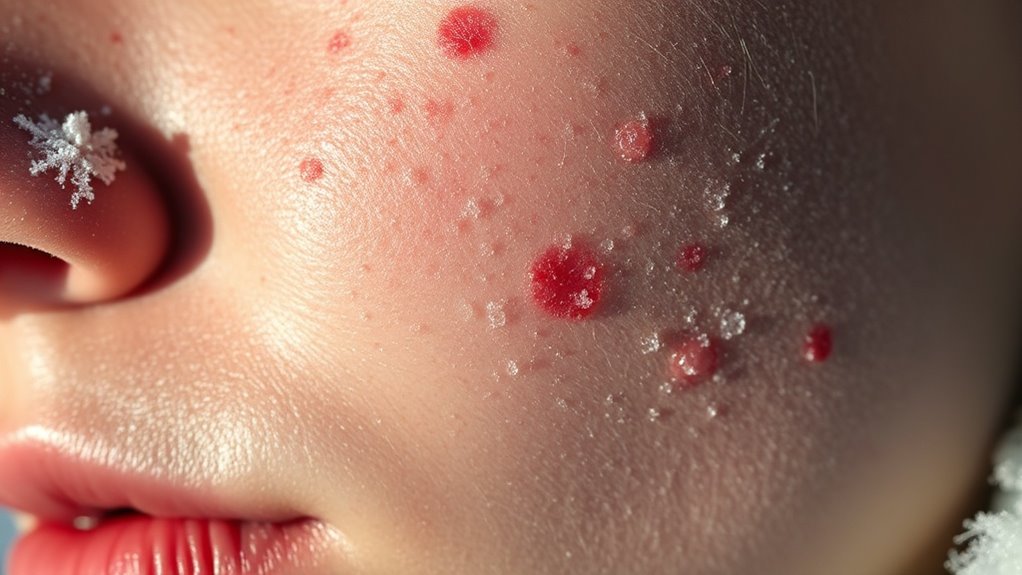
When temperatures drop, the air’s capacity to hold moisture plummets, creating an environment that actively depletes your skin’s protective lipid barrier. This physiological response triggers sebaceous glands to overcompensate, producing excess sebum that clogs pores and exacerbates acne formation.
Cold-induced vasoconstriction reduces blood flow to your skin’s surface, compromising nutrient delivery and cellular turnover. The compromised barrier function allows bacterial colonization, particularly Cutibacterium acnes, intensifying inflammatory responses.
Your skin’s stratum corneum becomes compromised when natural moisturizing factors diminish, leading to transepidermal water loss. This cascade effect creates microscopic fissures where comedones develop.
Effective acne care during winter requires restoring barrier integrity while managing sebum production. You’ll need non-comedogenic emollients that reinforce lipid layers without occluding pores, maintaining optimal hydration levels essential for clear skin. Incorporating salicylic acid or benzoyl peroxide cleansers into your winter routine helps unclog pores while addressing excess oil production without further compromising your skin’s moisture barrier.
Indoor Heating Creates Moisture Imbalance
When you spend prolonged periods in heated indoor environments, the artificial warmth depletes your skin’s lipid barrier, removing essential moisture-retaining oils. Your sebaceous glands respond to this dehydration by entering a compensatory state, secreting excess sebum that clogs pores and triggers inflammatory acne lesions.
Indoor heating systems reduce relative humidity levels from an optimal 40-60% to as low as 10-20%, creating a xerotic environment that disrupts your skin’s homeostasis and exacerbates comedone formation. To counteract this dryness without adding more oil, apply a lightweight moisturizer with hyaluronic acid that provides hydration while keeping pores clear.
Heat Strips Natural Oils
Indoor heating systems fundamentally alter your skin’s moisture equilibrium by generating dry, heated air that accelerates transepidermal water loss (TEWL). This process depletes your skin’s lipid barrier, comprising ceramides, cholesterol, and fatty acids essential for maintaining hydration. When your sebaceous glands detect this moisture deficit, they compensate by overproducing sebum, creating an oily surface layer while underlying tissues remain dehydrated.
This paradoxical condition—simultaneous dehydration and excess oil—clogs your pores with thickened sebum that traps Cutibacterium acnes bacteria. The compromised barrier function also increases inflammation markers, exacerbating existing acne lesions. You’ll notice this cycle intensifies during prolonged indoor exposure, particularly in environments with forced-air heating systems that continuously circulate moisture-depleted air. Your skin’s natural protective mechanisms become overwhelmed, triggering the inflammatory cascade characteristic of winter acne flare-ups.
Dry Air Triggers Overproduction
Beyond the lipid barrier disruption caused by heated air, your skin initiates a defensive sebum response that creates a feedback loop of overproduction. When transepidermal water loss (TEWL) increases due to low humidity environments, your sebaceous glands compensate by secreting excess oils to protect compromised tissue. This paradoxical mechanism—dehydration triggering oiliness—creates optimal conditions for Cutibacterium acnes proliferation within follicular ducts.
The cycle intensifies as overproduced sebum mixes with accumulated dead cells, forming comedogenic plugs. Your inflammatory response activates, releasing cytokines that perpetuate lesion formation. Clinical studies demonstrate that indoor winter humidity levels below 30% significantly correlate with increased acne severity scores. You’re essentially experiencing simultaneous dehydration and hyperseborrhea, requiring targeted intervention to restore homeostasis rather than aggressive drying treatments that worsen the underlying moisture deficit.
Humidity Levels Drop Dramatically
Your home’s heating system systematically strips moisture from the air, reducing relative humidity to levels comparable with desert climates—often plummeting to 10-20% during peak winter months. This dramatic reduction compromises your skin’s natural barrier function, triggering compensatory sebum production that clogs pores and exacerbates acne formation.
The transepidermal water loss (TEWL) rate increases exponentially when humidity drops below 30%, accelerating cellular dehydration. Your sebaceous glands respond by generating excess lipids to prevent moisture evaporation, creating an ideal environment for Cutibacterium acnes proliferation.
This moisture imbalance disrupts your skin’s pH homeostasis, weakening antimicrobial defenses and increasing inflammatory responses. Studies demonstrate that maintaining indoor humidity between 40-50% significantly reduces acne severity by preserving epidermal integrity and normalizing sebaceous gland activity.
Heavy Moisturizers Can Clog Pores
When temperatures drop and skin feels tight, many people reach for thick, occlusive moisturizers to combat winter dryness—but these heavy formulations can trigger or worsen acne breakouts. Products containing comedogenic ingredients like coconut oil, cocoa butter, and petroleum derivatives create an occlusive barrier that traps sebum, dead skin cells, and bacteria within your pores. This environment promotes the formation of comedones and inflammatory lesions.
You’ll want to identify your skin’s specific needs before selecting winter moisturizers. Look for non-comedogenic formulations with a rating of 0-2 on the comedogenicity scale. Lightweight, oil-free moisturizers containing hyaluronic acid, glycerin, and ceramides provide adequate hydration without pore blockage. Consider gel-based or water-based products that deliver moisture while allowing your skin to breathe, maintaining barrier function without exacerbating acne formation. After cleansing with a gentle, pH-balanced cleanser, apply your lightweight moisturizer to maintain optimal hydration without compromising your pores.
Switch to Gentle, Hydrating Cleansers
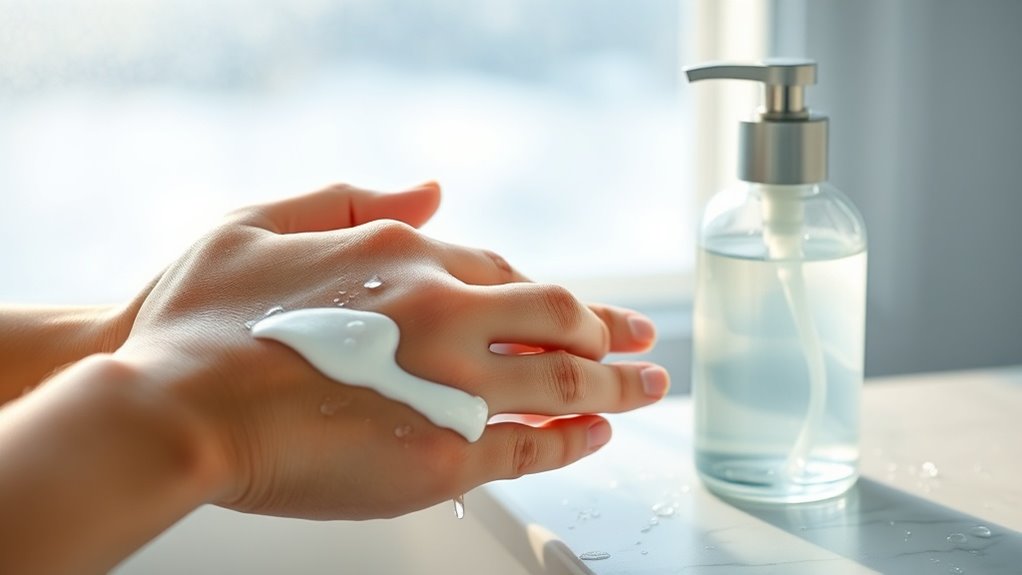
Harsh cleansers strip your skin’s natural lipid barrier during winter months, triggering compensatory sebum overproduction and subsequent acne flares. You’ll need to transition from aggressive formulations to gentle alternatives that preserve barrier integrity.
Select cleansers with these characteristics:
- pH-balanced formulas (4.5-5.5) that maintain your skin’s acid mantle without disrupting microbial homeostasis
- Non-foaming or low-foaming agents containing ceramides, hyaluronic acid, or glycerin for moisture retention
- Fragrance-free, sulfate-free compositions to minimize irritation and transepidermal water loss
- Cream-based or micellar water cleansers that remove impurities without dehydrating compromised skin
You’re better off cleansing once daily during severe cold periods. Over-cleansing exacerbates barrier dysfunction, perpetuating the inflammation-acne cycle you’re trying to prevent. Consider incorporating raw honey into your cleansing routine, as its antibacterial and humectant properties balance skin’s moisture without promoting oiliness.
Layer Lightweight, Non-Comedogenic Products
After selecting appropriate cleansers, you’ll need strategic moisturization that won’t obstruct your pores. Non-comedogenic formulations prevent pore blockage while addressing winter-induced transepidermal water loss. Apply products in order of molecular weight—serums containing hyaluronic acid or niacinamide first, followed by lightweight emulsions.
Select oil-free moisturizers with ceramides and glycerin to restore your compromised skin barrier without triggering acne mechanica. Avoid heavy occlusives like petrolatum on acne-prone areas; instead, use dimethicone-based products that provide barrier protection without comedogenicity.
Layer a broad-spectrum SPF 30+ sunscreen daily, as winter sun combined with certain acne treatments increases photosensitivity. Choose mineral formulations with zinc oxide if you’re using retinoids or benzoyl peroxide.
Consider incorporating natural moisturizers like coconut oil in minimal amounts, as its lauric acid content can help kill acne-causing bacteria while providing lightweight hydration.
This methodical layering approach maintains adequate hydration while minimizing inflammatory lesions throughout winter months.
Maintain Consistent Exfoliation and Hydration Routine
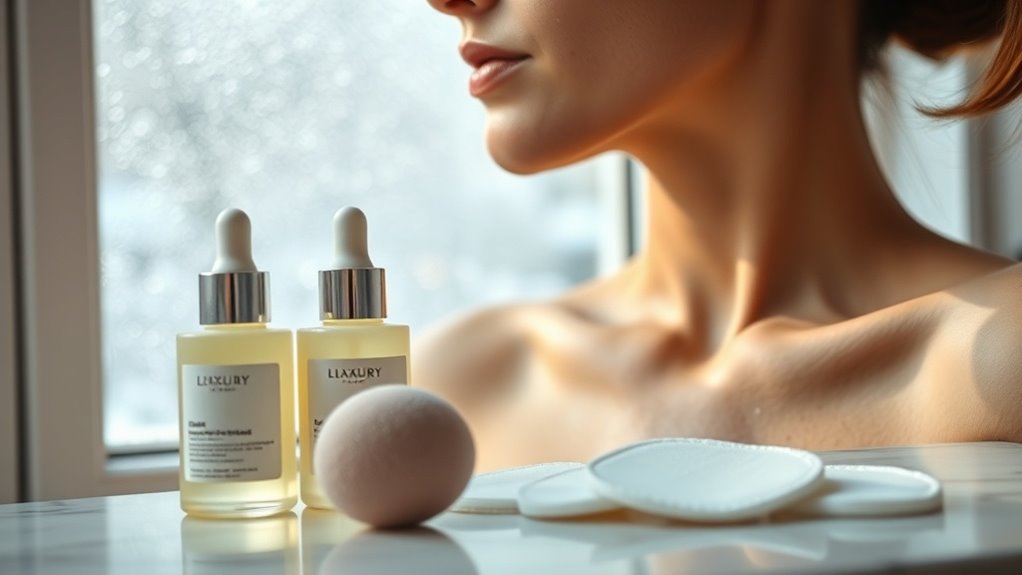
Because cellular turnover decreases in cold weather, you’ll need to implement controlled exfoliation to prevent the accumulation of dead corneocytes that exacerbate comedone formation. Strategic exfoliation removes impacted keratinocytes while maintaining barrier integrity.
Your winter exfoliation protocol should include:
- Chemical exfoliants containing salicylic acid (BHA) or glycolic acid (AHA) applied 2-3 times weekly to dissolve intercellular lipids
- Gentle physical exfoliation using microfiber cloths or konjac sponges to mechanically dislodge surface debris without causing microtrauma
- Post-exfoliation hydration with hyaluronic acid serums to replenish transepidermal water loss
- Barrier-repair moisturizers containing ceramides and niacinamide to restore stratum corneum cohesion
This balanced approach prevents both hyperkeratinization and compromised barrier function, reducing winter acne flare-ups while maintaining optimal epidermal health. Incorporating niacinamide regulates sebum production while simultaneously strengthening your compromised skin barrier during harsh winter conditions.
Frequently Asked Questions
Does Diet Affect Winter Acne Breakouts More Than Summer Acne?
Diet’s impact on acne remains consistent year-round, but you’ll notice winter’s reduced humidity and indoor heating amplify inflammatory responses. Your skin’s compromised barrier function makes you more susceptible to dietary triggers like high-glycemic foods and dairy during colder months.
Can Wearing Face Masks in Cold Weather Make Acne Worse?
Yes, you’ll likely experience mask-induced acne (maskne) in cold weather. Trapped moisture, friction, and occlusion beneath your mask create an ideal environment for bacterial growth and clogged pores, exacerbating existing winter acne concerns.
Should I Change My Pillowcase More Often During Winter Months?
Yes, you should change your pillowcase more frequently during winter. Cold weather increases oil production and dead skin cell accumulation, which transfer to pillowcases nightly. Changing them every 2-3 days prevents bacterial growth and reduces acne flare-ups.
Are Certain Medications More Likely to Cause Winter Acne Flare-Ups?
Medications don’t specifically cause winter acne flare-ups, but certain drugs like corticosteroids, lithium, and hormonal medications can worsen acne year-round. You’ll notice symptoms intensify in winter due to environmental factors affecting your already medication-sensitive skin.
How Long Does It Take to See Improvement With Winter Skincare Changes?
You’ll typically see improvement within 4-6 weeks of implementing winter skincare changes. However, your skin’s barrier function may begin recovering within 1-2 weeks. If you’re not seeing progress after eight weeks, consult your dermatologist for treatment adjustments.