Can Oil Pulling With Coconut Oil Improve Your Oral Health.
Can oil pulling with coconut oil actually improve your oral health, or is it just another wellness trend? Oil pulling works by using coconut oil’s antimicrobial properties—especially lauric acid—to reduce harmful bacteria in your mouth when you swish it for 10-20 minutes daily. Studies show it can decrease plaque buildup and cavity-causing bacteria like Streptococcus mutans, which is why this ancient Ayurvedic practice has gained traction in modern dental discussions. You’ll discover exactly how the process works at a cellular level, which bacteria it targets most effectively, and whether it can replace or simply complement your current oral care routine. Let’s break down what’s really happening when you swish coconut oil and what the research actually says about its benefits.
What Is Oil Pulling and How Does It Work
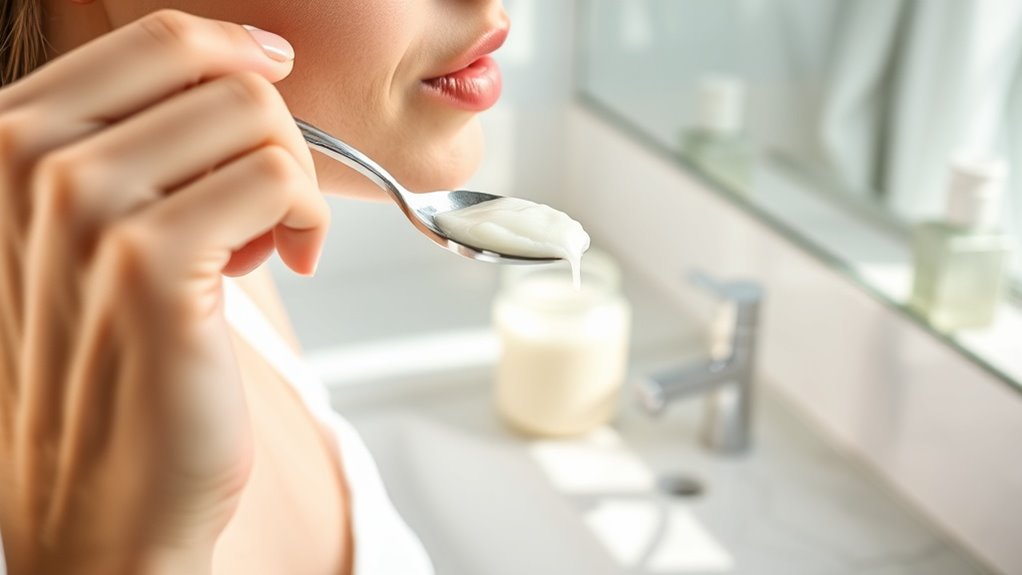
Oil pulling is an ancient Ayurvedic practice that involves swishing edible oil through the teeth and oral cavity for 15-20 minutes before expectorating. The mechanism of action operates through mechanical and biochemical pathways. When you perform oil pulling with coconut oil, the lipophilic properties enable emulsification of oral biofilm and bacterial cell membrane disruption.
The prolonged swishing action mechanically dislodges plaque and microorganisms from tooth surfaces, interdental spaces, and gingival margins. Coconut oil’s medium-chain triglycerides, particularly lauric acid, demonstrate antimicrobial efficacy against Streptococcus mutans and other cariogenic pathogens. The saponification process occurs as the oil mixes with salivary enzymes, creating a cleansing effect that reduces bacterial adhesion. This practice, known as Gandusha or Kavala Graha in Sanskrit texts, has been used for over 3,000 years as a method to remove toxins and maintain oral health. You’ll achieve optimal results through consistent daily application, preferably performed on an empty stomach to maximize therapeutic benefits.
The Science Behind Coconut Oil for Oral Health
Research demonstrates that coconut oil’s therapeutic properties stem from its unique fatty acid composition, with lauric acid comprising approximately 45-50% of its total lipid content. This medium-chain fatty acid exhibits potent antimicrobial activity against Streptococcus mutans, the primary cariogenic pathogen in dental biofilm formation.
| Fatty Acid | Percentage | Antimicrobial Action |
|---|---|---|
| Lauric Acid | 45-50% | Disrupts bacterial cell membranes |
| Capric Acid | 6-8% | Inhibits fungal growth |
| Caprylic Acid | 5-7% | Reduces pathogen colonization |
| Myristic Acid | 16-21% | Enhances biofilm penetration |
| Palmitic Acid | 8-10% | Supports membrane disruption |
When you perform oil pulling, mechanical shearing forces combine with lauric acid’s lipophilic properties to penetrate bacterial cell walls, causing cytoplasmic leakage and bacterial death. This mechanism reduces oral pathogen load without disrupting commensal microbiota. Additionally, the anti-inflammatory compounds in coconut oil provide therapeutic benefits by soothing irritated gum tissue and supporting periodontal health.
Step-by-Step Guide to Oil Pulling With Coconut Oil

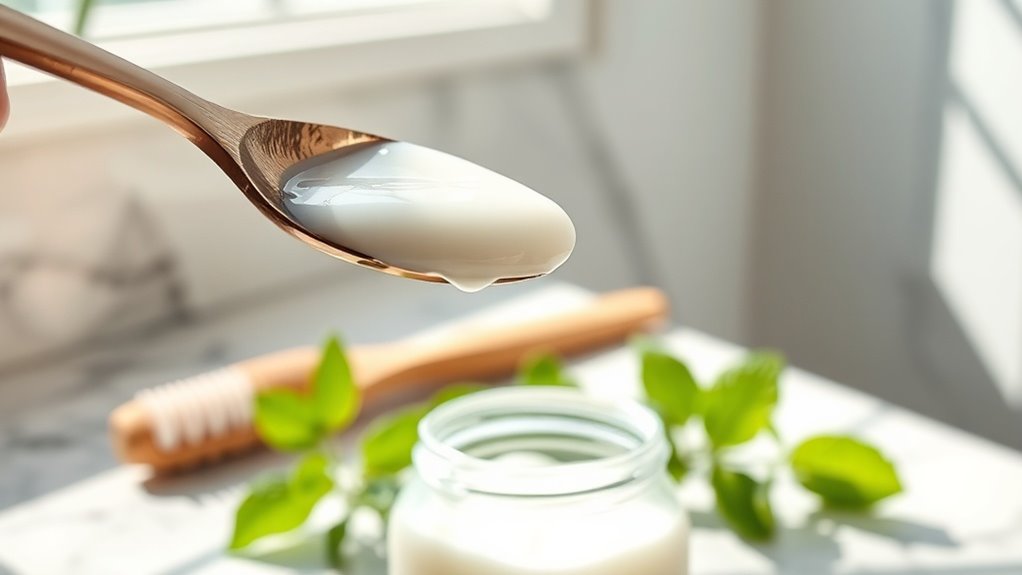
To maximize therapeutic efficacy, you’ll need to follow a precise protocol that optimizes contact time and mechanical disruption of oral biofilm. Begin with 1 tablespoon of virgin coconut oil on an empty stomach. Allow the solid oil to liquefy at body temperature before initiating vigorous swishing.
Employ a push-pull motion through interdental spaces for 15-20 minutes, ensuring complete coverage of all oral surfaces. Don’t gargle or swallow—the oil accumulates bacterial endotoxins and metabolic byproducts. The emulsified mixture should appear milky-white when expelled. Dispose in trash receptacles to prevent plumbing obstruction.
Rinse thoroughly with warm water, then brush using fluoride dentifrice. This practice, known in ancient Ayurvedic texts as kavala or gandusha, has been used for thousands of years to promote oral wellness. Perform this intervention daily, preferably upon waking, before consuming food or beverages. Clinical benefits typically manifest after 2-4 weeks of consistent application.
Proven Benefits of Oil Pulling for Teeth and Gums
Oil pulling with coconut oil demonstrates measurable antimicrobial effects against Streptococcus mutans and other cariogenic bacteria through the mechanical action of emulsification and saponification of lipids in bacterial cell membranes.
Clinical studies have documented statistically significant reductions in plaque index scores and gingival index measurements following consistent oil pulling protocols. You’ll experience these therapeutic benefits as the lauric acid in coconut oil disrupts pathogenic biofilm formation while preserving commensal oral microbiota. Research confirms that daily oil pulling can decrease cavity-causing bacteria by up to 60%, making it a powerful adjunct to conventional oral hygiene practices.
Reduces Harmful Oral Bacteria
Clinical studies demonstrate significant reductions in S. mutans colony counts following 14-day coconut oil pulling protocols. The lipophilic properties enable penetration into bacterial biofilms where traditional rinses fail.
Research indicates comparable antibacterial effectiveness to chlorhexidine mouthwash without associated adverse effects like tooth staining or dysgeusia. You’ll achieve optimal bacterial reduction through consistent 10-15 minute daily sessions, targeting plaque-forming organisms before they establish mature biofilm communities.
Decreases Plaque and Gingivitis
The documented antimicrobial activity against oral pathogens directly translates into measurable improvements in periodontal health parameters. Clinical trials demonstrate that coconut oil pulling significantly reduces plaque index scores and gingival index measurements compared to baseline assessments.
You’ll experience decreased bacterial adhesion to tooth surfaces, which inhibits biofilm formation—the primary etiology of gingivitis. The lauric acid in coconut oil disrupts bacterial cell membranes, reducing colony-forming units of Streptococcus mutans and other pathogenic species. Research shows comparable efficacy to chlorhexidine mouthwash in reducing plaque accumulation when practiced consistently.
You’ll notice reduced gingival inflammation, bleeding on probing, and pocket depths with regular fifteen-to-twenty-minute sessions. The mechanical action combined with antimicrobial properties creates synergistic effects that improve overall periodontal tissue health without adverse effects associated with chemical antiseptics.
Comparing Coconut Oil to Other Oil Pulling Options

While coconut oil demonstrates notable antimicrobial properties due to its lauric acid content, you’ll find that sesame, sunflower, and olive oils each present distinct biochemical profiles affecting their clinical efficacy.
Comparative studies reveal significant variations in their ability to reduce plaque formation, inhibit pathogenic bacteria such as Streptococcus mutans, and modulate inflammatory markers in gingival tissues.
Traditionally used in Ayurvedic dental technique practices for over 3,000 years, sesame oil was the original oil of choice before coconut oil gained popularity in modern applications.
Understanding these evidence-based differences enables you to select the optimal oil for your specific oral health objectives.
Sesame Oil Benefits Compared
Sesame oil represents the traditional medium for oil pulling in Ayurvedic medicine, with documented use spanning millennia before coconut oil gained popularity in Western wellness practices. Clinical studies demonstrate sesame oil‘s efficacy in reducing Streptococcus mutans colonization and plaque formation, achieving comparable results to chlorhexidine mouthwash in certain trials. The oil contains sesamol and sesamin, antioxidant compounds with demonstrated anti-inflammatory properties that may benefit periodontal tissues.
However, you’ll find sesame oil lacks coconut oil’s lauric acid content, which provides superior antimicrobial activity against gram-positive bacteria. Sesame oil’s higher polyunsaturated fat ratio makes it more susceptible to oxidative degradation during the pulling process. Additionally, its viscosity differs from coconut oil, potentially affecting emulsification dynamics and salivary enzymatic interaction during the recommended 15-20 minute practice duration.
Sunflower Oil Effectiveness Analysis
Although sunflower oil contains vitamin E at concentrations exceeding 40 mg per 100g—substantially higher than coconut oil’s 0.1 mg—this antioxidant advantage doesn’t translate to superior antimicrobial efficacy in oil pulling applications. You’ll find sunflower oil demonstrates moderate antibacterial activity against Streptococcus mutans, but its polyunsaturated fatty acid composition (65% linoleic acid) makes it susceptible to oxidative degradation during the 15-20 minute pulling protocol.
| Property | Sunflower Oil | Coconut Oil |
|---|---|---|
| Lauric acid content | 0% | 45-50% |
| Antimicrobial spectrum | Moderate | Broad-spectrum |
Your clinical outcomes will likely be less consistent with sunflower oil compared to coconut oil’s medium-chain triglycerides, which exhibit direct membrane-disrupting effects on pathogenic oral bacteria through monoglyceride conversion.
Olive Oil Performance Review
Despite olive oil’s widespread recognition in Mediterranean dietary traditions, its performance in oil pulling protocols reveals significant limitations when compared to coconut oil’s antimicrobial profile. Olive oil contains predominantly oleic acid, a monounsaturated fatty acid lacking the antimicrobial potency of coconut oil’s medium-chain triglycerides.
While you’ll find olive oil demonstrates mild anti-inflammatory properties through polyphenol compounds, it doesn’t exhibit the same bacterial reduction rates against Streptococcus mutans and other cariogenic pathogens. Clinical studies show olive oil’s viscosity and palatability make extended swishing sessions challenging for you to maintain. The oil’s lower lauric acid content—coconut oil’s primary antimicrobial agent—results in diminished efficacy against oral biofilm formation.
You’re better served selecting coconut oil for therapeutic oil pulling outcomes rather than relying on olive oil’s comparatively modest antimicrobial capabilities.
Potential Risks and Who Should Avoid Oil Pulling

Oil pulling with coconut oil carries minimal but notable risks that warrant clinical consideration. You shouldn’t practice this technique if you’ve got temporomandibular joint disorders, as prolonged swishing exacerbates jaw pain and muscular tension.
Aspiration poses serious concern—you’ll risk lipoid pneumonia if oil enters your lungs, particularly problematic for patients with dysphagia or compromised gag reflexes. Children under five shouldn’t perform oil pulling due to aspiration risk and underdeveloped swallowing mechanisms.
If you’re allergic to coconuts, you’ll experience contact dermatitis or anaphylactic reactions. Don’t use oil pulling as monotherapy for active dental infections—it’s not a substitute for professional intervention. Pregnant women should consult healthcare providers before initiating this practice, as morning nausea increases aspiration likelihood.
Additionally, individuals experiencing temporary detox symptoms such as persistent headaches or severe fatigue during the initial adjustment phase should reduce session duration or discontinue the practice until consulting with a healthcare professional.
Combining Oil Pulling With Your Daily Dental Care Routine
When you’ve determined oil pulling is safe for your individual circumstances, integrate this adjunctive therapy strategically within your established oral hygiene protocol. Perform oil pulling before breakfast on an empty stomach, then complete your standard brushing and flossing regimen.
Don’t substitute oil pulling for mechanical plaque removal—it’s supplementary, not replacement therapy. Brush twice daily with fluoridated dentifrice, utilizing proper technique for two minutes per session. Floss interdentally once daily to disrupt biofilm accumulation in areas your toothbrush can’t reach.
You’ll maximize antimicrobial benefits by scheduling oil pulling sessions three to five times weekly. Maintain biannual professional prophylaxis appointments and dental examinations regardless of your oil pulling routine. Document any changes in gingival health, plaque index, or oral symptoms to discuss with your dental provider during periodic assessments.
Frequently Asked Questions
Can Oil Pulling Replace Professional Dental Cleanings and Checkups?
No, you can’t replace professional dental care with oil pulling. You’ll still need regular cleanings to remove calcified plaque (calculus) and comprehensive examinations to detect caries, periodontal disease, oral pathology, and other conditions requiring clinical intervention.
Does the Brand or Quality of Coconut Oil Matter for Effectiveness?
You’ll achieve optimal results using virgin or extra-virgin coconut oil, as refined varieties lose beneficial lauric acid and antimicrobial compounds during processing. Organic, cold-pressed options retain maximum medium-chain fatty acids essential for antibacterial efficacy against oral pathogens.
Can Children Safely Practice Oil Pulling With Coconut Oil?
You shouldn’t allow children under five to practice oil pulling due to aspiration risks and underdeveloped swallowing reflexes. Older children can safely perform this technique under supervision, ensuring they don’t swallow the oil containing bacteria and toxins.
Will Oil Pulling Help Whiten Teeth That Are Stained From Coffee?
Oil pulling may reduce extrinsic staining through mechanical removal of surface debris, but it’s less effective than conventional whitening treatments for coffee stains. You’ll likely need professional bleaching or abrasive toothpastes for optimal results on chromogenic discoloration.
How Long Before Visible Results Appear From Daily Oil Pulling?
You’ll typically observe initial improvements in gingival inflammation and plaque reduction within 7-14 days of consistent oil pulling. However, noticeable whitening effects generally require 4-6 weeks of daily practice, with results varying based on stain severity.