
7 Kidney Stone Remedies to Support Natural Passage
Dealing with kidney stones and wondering if there are natural ways to help them pass? Kidney stones can often pass naturally through your urinary system with the right supportive measures, especially when they’re smaller than 5mm. This is actually more common than you might think—about 80% of kidney stones eventually pass on their own, though the process can be uncomfortable. Understanding which remedies have real clinical backing can make a significant difference in your comfort level and recovery time. You’ll discover seven evidence-based approaches that work with your body’s natural processes, from strategic hydration techniques to specific dietary changes that may ease the stone’s journey through your urinary tract. Let’s break down what’s really happening and which remedies can genuinely help.
Increase Water Intake to Flush Out Kidney Stones
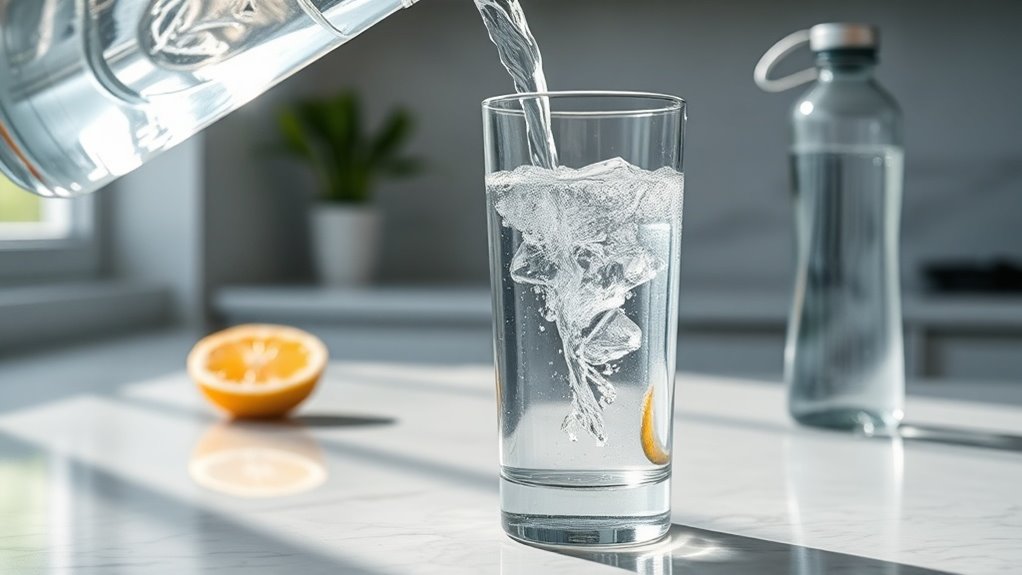
While adequate hydration can’t dissolve existing kidney stones, increasing water intake remains the cornerstone of conservative stone management and prevention. You should target a urine output of approximately 2.5 liters daily to achieve sufficient dilution of stone-forming solutes. This volume typically requires consuming 3-4 liters of fluids throughout the day, adjusted for activity level and climate.
Among kidney stone remedies, hydration demonstrates the strongest evidence base for reducing recurrence rates by up to 60%. Monitor your urine color; pale yellow indicates optimal hydration status. Distribute fluid intake evenly across waking hours rather than consuming large volumes at once. While water is preferred, you can supplement with non-caffeinated, non-carbonated beverages. Avoid excessive sodium intake, which counteracts hydration benefits by increasing urinary calcium excretion. Pairing adequate hydration with dietary calcium from low-fat dairy products can help bind oxalates in your digestive system and further reduce stone formation risk.
Lemon Juice Therapy for Citrate Support
Citrate functions as a natural inhibitor of calcium oxalate and calcium phosphate crystallization by binding to calcium ions and preventing stone formation.
Lemon juice contains high concentrations of citric acid, which your body metabolizes into urinary citrate, effectively raising citrate levels in your urine.
You’ll need to consume 4 ounces of pure lemon juice daily, diluted in water, to achieve therapeutic citrate levels comparable to pharmaceutical potassium citrate supplementation.
Other citrus fruits like limes and oranges also contain citric acid that helps dissolve calcium deposits in the kidneys.
How Citrate Prevents Stones
The biochemical mechanism by which urinary citrate inhibits kidney stone formation operates through multiple pathways that directly counteract stone development. Citrate chelates urinary calcium, forming soluble calcium-citrate complexes that prevent calcium oxalate and calcium phosphate crystallization. This binding reduces free calcium ion concentration available for stone formation.
Citrate also inhibits crystal aggregation and growth by coating crystal surfaces, preventing them from enlarging into clinically significant stones. Additionally, citrate alkalinizes urine pH, which increases citrate’s negative charge and enhances its calcium-binding capacity.
Research demonstrates that maintaining urinary citrate levels above 320 mg/day significantly reduces stone recurrence risk. Low citrate excretion (hypocitraturia) occurs in approximately 20-60% of stone formers, making citrate supplementation a evidence-supported preventive strategy.
Daily Lemon Juice Protocol
Among natural citrate sources, fresh lemon juice provides the most concentrated and bioavailable citric acid for therapeutic stone prevention. You’ll need to consume the juice of half a lemon (approximately 30 mL) diluted in water twice daily to achieve clinically significant urinary citrate elevation. This protocol delivers roughly 1.5 grams of citric acid daily, which studies demonstrate can increase urinary citrate levels by 20-40%.
You should squeeze fresh lemons rather than using bottled juice, as processing reduces citric acid content. Dilute the juice in at least 8 ounces of water to prevent dental enamel erosion from the acidic pH. Consume it with meals to minimize gastrointestinal discomfort.
Monitor your response through 24-hour urine testing after six weeks of consistent use to verify adequate citrate elevation.
Apple Cider Vinegar Solutions to Help Break Down Stones

Apple cider vinegar (ACV) contains acetic acid, which may help dissolve certain types of kidney stones by altering urinary pH and reducing mineral crystallization. You’ll need to dilute ACV properly—typically one to two tablespoons in eight ounces of water—to prevent enamel erosion and esophageal irritation.
For optimal results, consume the diluted solution two to three times daily, preferably before meals, though clinical evidence supporting its efficacy remains limited. To enhance the taste and add antimicrobial properties, consider mixing the ACV solution with raw honey and fresh lemon juice.
How ACV Works
Acetic acid, the primary active compound in apple cider vinegar, theoretically exerts its effects on kidney stones through pH modification and citrate metabolism enhancement. The mechanism involves urinary alkalinization, which may influence calcium oxalate solubility. However, you should understand that clinical evidence remains limited.
The proposed mechanisms include:
- Urinary pH alteration – Metabolization of acetate produces bicarbonate, potentially raising urine pH
- Citrate excretion increase – Enhanced citric acid levels may inhibit stone formation
- Calcium chelation – Acetic acid might bind calcium ions, reducing crystallization
- Mild diuretic effect – Increased fluid elimination promotes stone passage
You’ll find most supporting data derives from in vitro studies rather than controlled human trials. Medical consultation remains essential before implementing ACV as a therapeutic intervention for existing kidney stones.
Proper Dilution and Dosage
Understanding these theoretical mechanisms provides context for implementation, yet proper concentration becomes paramount when considering oral ACV consumption for kidney stone management. You’ll need to dilute ACV substantially before ingestion, as undiluted vinegar can damage tooth enamel and esophageal tissue. The standard ratio involves mixing 1-2 tablespoons (15-30 mL) of ACV with 8 ounces (240 mL) of water. You shouldn’t exceed this concentration or frequency without medical supervision.
Consume this mixture twice daily, preferably before meals. You can use a straw to minimize dental exposure, then rinse your mouth with plain water afterward. It’s critical that you monitor your body’s response and discontinue use if you experience gastrointestinal discomfort, nausea, or throat irritation. Consult your urologist before initiating any ACV regimen, particularly if you’re taking medications or have existing health conditions.
Best Times to Consume
While timing doesn’t alter ACV’s chemical properties, strategic consumption patterns may optimize its potential effects and minimize adverse reactions. You’ll want to consider these evidence-based recommendations:
-
Before meals: Consuming ACV 15-20 minutes prior to eating may enhance gastric acid production and reduce potential gastrointestinal discomfort
-
Morning administration: Initial doses taken after waking allow monitoring of individual tolerance throughout the day
-
Avoid bedtime consumption: Nighttime intake increases esophageal acid exposure risk during supine positioning
-
Consistent scheduling: Maintaining regular intervals supports steady urinary pH modulation
You shouldn’t consume ACV on an empty stomach if you experience acid reflux. Space doses at least 4-6 hours apart to prevent excessive gastric acidity. Always rinse your mouth thoroughly after consumption to minimize dental enamel erosion risk.
Herbal Teas That May Promote Stone Passage

Although scientific evidence remains limited, certain herbal teas have demonstrated diuretic and antispasmodic properties that may facilitate kidney stone passage. Chanca piedra (Phyllanthus niruri) has shown potential in reducing stone formation and promoting stone expulsion in preliminary studies. Hydrangea root may help relax ureter muscles, potentially easing stone transit.
Dandelion root functions as a mild diuretic, increasing urine production and potentially flushing smaller stones. Nettle leaf tea demonstrates similar diuretic effects while providing anti-inflammatory benefits.
You shouldn’t rely solely on herbal remedies for stone management. Consult your physician before incorporating these teas, particularly if you’re taking medications or have existing health conditions. Some herbs can interact with pharmaceuticals or affect electrolyte balance. Combine herbal interventions with adequate hydration and medical supervision for optimal outcomes. Apple cider vinegar mixed with water is another popular remedy that may help break down calcium deposits and create a more alkaline urinary environment.
Dietary Modifications to Support Kidney Health
Strategic dietary modifications constitute a fundamental component of kidney stone prevention and management, with evidence supporting specific nutritional interventions that reduce recurrence rates by up to 50%. You’ll need to implement targeted adjustments based on your stone composition analysis.
Core dietary interventions include:
- Maintain fluid intake of 2.5-3 liters daily to achieve urine output exceeding 2 liters
- Limit sodium consumption to <2,300mg daily, as excessive intake promotes calcium excretion
- Reduce animal protein to 0.8-1.0g/kg body weight, minimizing uric acid and calcium elevation
- Consume adequate dietary calcium (1,000-1,200mg daily) with meals to bind oxalate intestinally
You should restrict oxalate-rich foods (spinach, almonds, beets) if you’ve formed calcium oxalate stones. Increasing your intake of citrus fruits, particularly lemons and limes, can boost citrate levels that naturally inhibit stone formation. Consult a nephrologist or registered dietitian for personalized modifications based on metabolic evaluation results.
Heat Therapy for Pain Relief and Relaxation

Beyond dietary interventions, symptomatic management becomes paramount when acute kidney stone episodes occur. Heat therapy provides localized analgesic effects through vasodilation and reduced muscle spasm in the affected flank region. You can apply a heating pad or warm compress at temperatures between 104-113°F (40-45°C) for 20-minute intervals, allowing tissue recovery between applications.
The thermotherapeutic mechanism works by stimulating thermoreceptors, which modulate pain signal transmission through the gate control theory. Heat increases blood flow to the ureter, potentially facilitating stone passage while decreasing visceral pain perception. You’ll find this non-pharmacological intervention particularly useful as an adjunct to standard analgesic protocols.
However, you shouldn’t rely solely on heat therapy for pain management. Severe, unrelenting pain warrants immediate medical evaluation to rule out complications like hydronephrosis or infection. Similar to how heat application works for kidney stone discomfort, warm water therapy at controlled temperatures can provide relief for various conditions by promoting healthy circulation and reducing muscle tension throughout the body.
Gentle Movement Exercises to Encourage Stone Migration
While pharmacological management remains the primary treatment modality, specific physical movements may facilitate gravitational stone migration through the urinary tract. You’ll find that controlled positional changes can optimize stone passage, particularly for distal ureteral calculi. The inversion therapy technique involves strategic body positioning to leverage gravitational forces.
Consider implementing these evidence-based movements:
- Inverted positioning: Elevate your pelvis 15-30 degrees while lying supine
- Lateral decubitus positioning: Lie on the contralateral side of the affected kidney
- Controlled ambulation: Walk at moderate intensity for 20-30 minutes
- Gentle percussive movements: Perform light jumping or bouncing motions
You shouldn’t engage in vigorous exercise during acute episodes. Consult your urologist before initiating any movement protocol, especially if you’re experiencing severe pain or complications.
Frequently Asked Questions
How Long Does It Typically Take for a Kidney Stone to Pass Naturally?
You’ll typically pass a small kidney stone (less than 4mm) within one to two weeks, though it can take up to four weeks. Larger stones require longer passage times or medical intervention if they don’t pass naturally.
What Size Kidney Stones Can Pass on Their Own Without Medical Intervention?
You’ll typically pass stones smaller than 4mm spontaneously with conservative management. Stones measuring 4-6mm have approximately 50% passage probability, while those exceeding 6mm usually require urological intervention. Stone composition and location significantly influence passage likelihood.
When Should I Seek Emergency Medical Care for Kidney Stones?
You should seek emergency care if you’re experiencing severe uncontrollable pain, persistent vomiting, fever above 101°F, complete urinary obstruction, infected hydronephrosis, bilateral obstruction, or kidney stones in a solitary kidney requiring immediate urological intervention.
Can Kidney Stones Cause Permanent Damage to My Kidneys?
Yes, kidney stones can cause permanent kidney damage if they’re left untreated. Prolonged obstruction leads to hydronephrosis, infection may result in scarring, and recurrent stones can progressively impair your renal function. You’ll need prompt medical evaluation and treatment.
How Can I Tell if My Kidney Stone Has Successfully Passed?
You’ll typically notice sudden pain relief and may see the stone in your urine when straining it through a filter. However, you should confirm passage with follow-up imaging, as symptoms alone aren’t definitive diagnostic evidence.