
6 BV Treatment Remedies That May Support Natural Balance
You’ve dealt with the discomfort of BV long enough—the itching, unusual discharge, and that nagging feeling that something’s off down there. The good news: several natural remedies may help support your vaginal balance, often showing results within just a few days of consistent use. From probiotic-rich foods you can start eating today to simple pantry staples that take minutes to prepare, these gentler approaches work alongside your body’s natural healing abilities. Here’s what actually shows promise for supporting comfort and balance.
Probiotic Supplements for Vaginal Flora Restoration
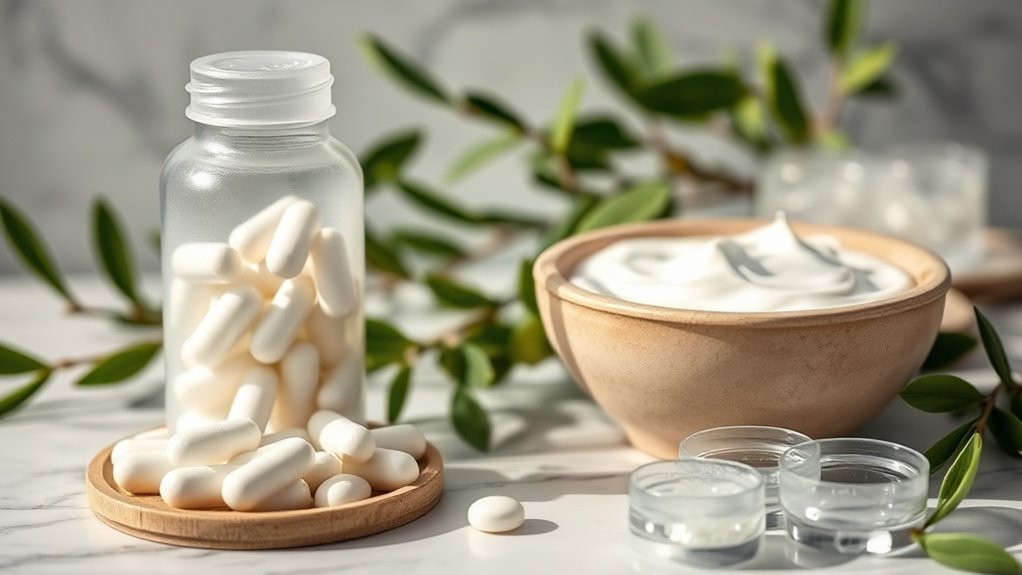
Probiotic supplements have emerged as one of the most scientifically supported approaches for restoring healthy vaginal flora after BV infection. You’ll find that Lactobacillus strains, particularly L. rhamnosus and L. reuteri, work to recolonize your vaginal environment with beneficial bacteria.
These bv treatment remedies help lower pH levels and produce hydrogen peroxide, creating conditions that inhibit harmful bacteria growth. You can take them orally or use vaginal suppositories for direct application.
Research shows combining probiotics with conventional antibiotics may reduce recurrence rates. However, you should choose high-quality supplements with clinically studied strains and adequate colony-forming units for effectiveness. Maintaining a diet rich in probiotic-rich foods is essential for supporting overall vaginal health alongside supplement use.
Apple Cider Vinegar Rinses for Ph Balance Support
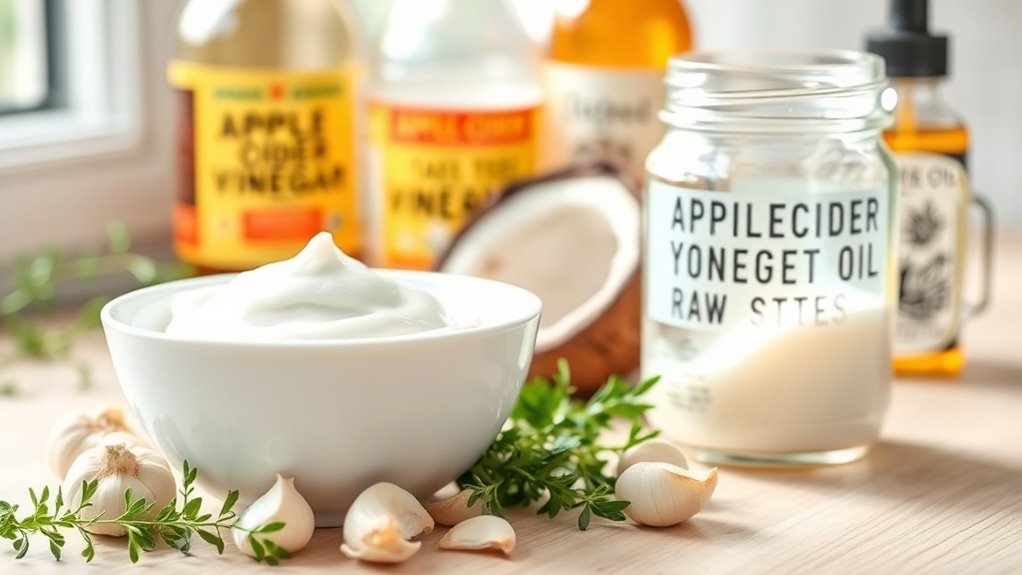
Apple cider vinegar’s acidity can help restore your vaginal pH to its normal acidic range of 3.8-4.5, creating an environment where harmful bacteria struggle to thrive. You’ll need to dilute ACV properly—typically one to two tablespoons per cup of water—before using it as an external rinse, never inserting it directly into your vagina.
Before trying this remedy, you should understand that undiluted ACV can burn sensitive tissue and worsen irritation, so it’s essential to start with weaker dilutions and watch for adverse reactions. When preparing your diluted solution, always use raw apple cider vinegar mixed with warm water, as this combination may contribute to improved blood sugar regulation and enhanced wellness while supporting your body’s natural balance.
How ACV Affects Ph
While many women reach for over-the-counter treatments, vinegar has earned attention as a natural remedy that may help restore vaginal pH balance. Apple cider vinegar‘s acidic nature mimics your vagina’s healthy pH level, which typically ranges from 3.8 to 4.5.
When bacterial vaginosis disrupts this balance, the pH rises above 4.5, creating an environment where harmful bacteria thrive.
ACV contains acetic acid that can lower elevated pH levels. You’ll find that diluted ACV rinses work by reintroducing acidity to your vaginal environment. This acidic shift may discourage harmful bacteria growth while supporting beneficial lactobacilli that naturally maintain your vaginal health.
Proper Dilution and Application
Getting the concentration right makes all the difference between helping and harming your delicate vaginal tissue. Never apply undiluted ACV directly to your body.
Mix one to two tablespoons of raw, unfiltered apple cider vinegar with one cup of warm water for a safe external rinse. You can add this diluted solution to a shallow bath and soak for 15-20 minutes, or use it as a gentle external wash.
Don’t douche with ACV, as this disrupts your vaginal flora. If you experience burning or irritation, discontinue use immediately and consult your healthcare provider.
Safety Precautions to Consider
Before trying any home remedy for bacterial vaginosis, you’ll need to understand the risks involved with apple cider vinegar rinses. Never apply undiluted vinegar to your vaginal area, as it can cause chemical burns and tissue damage.
Discontinue use immediately if you experience burning, irritation, or increased discharge. Don’t use ACV rinses if you’re pregnant, have open sores, or recently underwent vaginal surgery. Avoid internal douching, which disrupts your natural bacterial balance.
If symptoms persist beyond three days or worsen, consult your healthcare provider. ACV rinses shouldn’t replace medical treatment for confirmed bacterial vaginosis infections.
Tea Tree Oil Applications for Natural Antimicrobial Benefits
Tea tree oil has earned its reputation as a powerful natural antimicrobial agent, making it a popular choice for women seeking alternative BV treatments. You’ll find it contains compounds called terpenes that combat harmful bacteria while preserving beneficial vaginal flora.
When you’re using tea tree oil, always dilute it properly—never apply it undiluted to sensitive vaginal tissue. Mix a few drops with a carrier oil like coconut oil for topical application. You can also add diluted tea tree oil to a sitz bath. However, you shouldn’t insert it directly into your vagina without consulting your healthcare provider first.
The active compound terpinen-4-ol in tea tree oil demonstrates antimycotic activity that can disrupt harmful microorganism proliferation and reduce inflammation when properly diluted.
Garlic Supplements as a Traditional Wellness Remedy
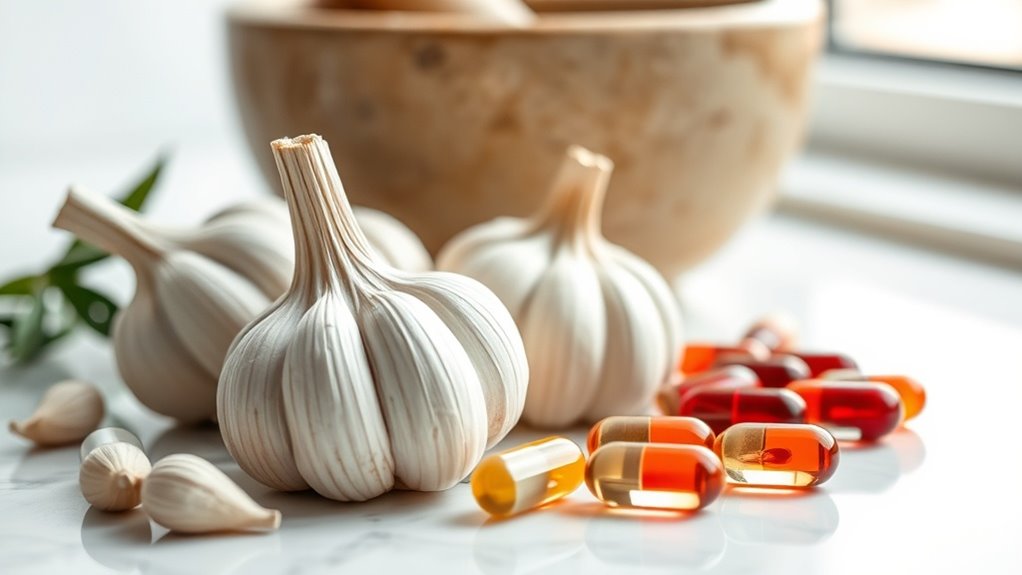
Garlic supplements have earned recognition as a traditional remedy due to their natural antimicrobial compounds, particularly allicin, which may help combat harmful bacteria. You’ll need to understand the proper dosage and available forms—from raw cloves to standardized extracts—to maximize potential benefits.
Before you start any garlic supplementation regimen, it’s essential to review safety considerations, especially if you’re taking medications or have bleeding disorders. Fresh garlic can also fight unwanted bacteria when incorporated into your diet as part of a comprehensive approach to supporting vaginal health.
Natural Antimicrobial Properties Explained
Throughout history, cultures worldwide have recognized allium sativum’s potent therapeutic compounds that combat harmful microorganisms.
You’ll find that garlic contains allicin, a sulfur compound released when cloves are crushed or chopped. This active ingredient demonstrates antimicrobial effects against various bacteria and fungi in laboratory studies.
When you’re considering garlic supplements, you’re tapping into compounds that may influence your body’s microbial balance. The allicin works by disrupting cellular processes in unwanted organisms.
However, you should understand that supplement potency varies significantly between products. Fresh garlic’s crushing activates enzymes necessary for allicin formation, while aged preparations contain different beneficial compounds.
Proper Dosage and Forms
When selecting garlic supplements for traditional wellness support, you’ll encounter several forms with varying potency levels. Fresh garlic cloves contain about 4,000 mcg of allicin per gram, while aged garlic extract offers 1,000-1,200 mg daily doses.
Garlic powder capsules typically provide 300-500 mg per serving, and garlic oil concentrates range from 500-1,000 mg. You’ll find standardized extracts measured by allicin potential, usually 3,600-5,400 mcg daily. Enteric-coated tablets protect active compounds during digestion.
Start with manufacturer-recommended doses and monitor your body’s response. Remember that supplement potency varies significantly between brands, so you’ll want to research quality standards before purchasing.
Safety Considerations and Precautions
While garlic supplements offer traditional wellness benefits, they can interact with blood-thinning medications like warfarin, aspirin, and clopidogrel, potentially increasing bleeding risk. You should discontinue garlic supplements at least two weeks before scheduled surgeries.
If you’re pregnant or breastfeeding, consult your healthcare provider before use, as safety data remains limited. Stop taking garlic supplements if you experience digestive upset, allergic reactions, or unusual bruising.
Don’t exceed recommended dosages, as excessive intake can cause heartburn and body odor. Always inform your doctor about any supplements you’re taking to prevent dangerous drug interactions.
Yogurt Treatments for Beneficial Bacteria Introduction
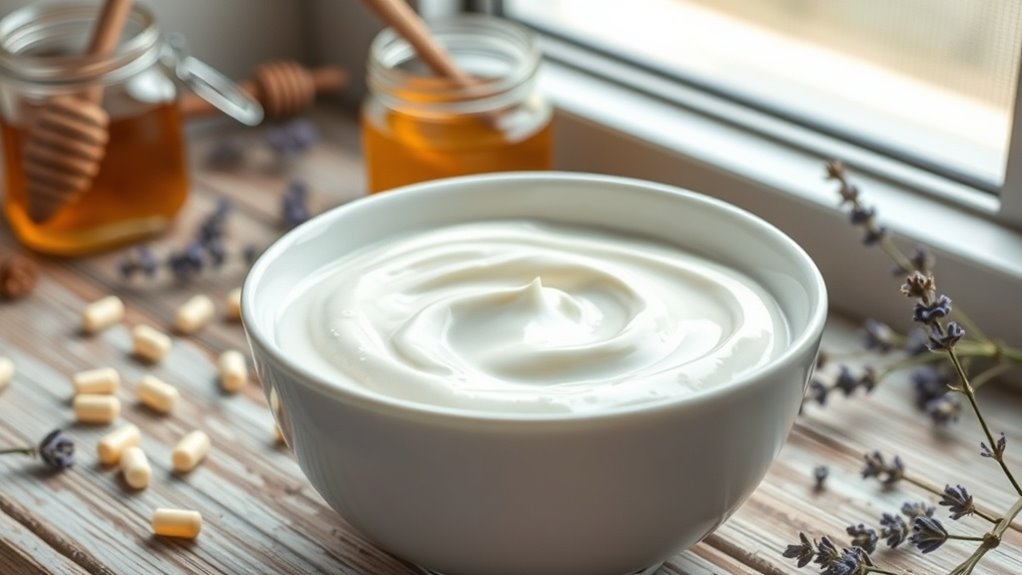
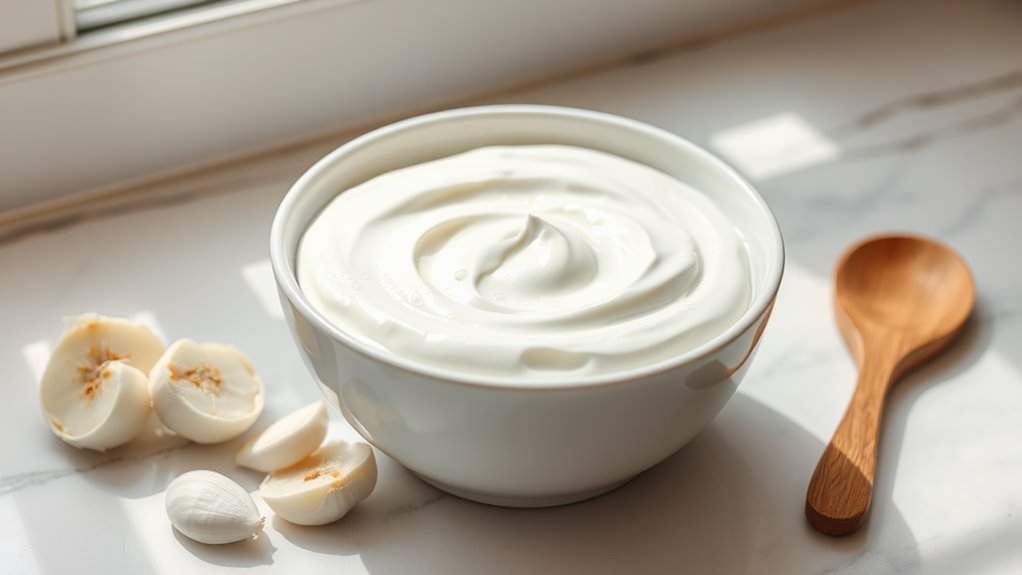
One of the most accessible and time-tested remedies for bacterial vaginosis involves yogurt containing live Lactobacillus cultures. You’ll want to choose plain, unsweetened yogurt with active cultures listed on the label. These beneficial bacteria can help restore your vaginal flora‘s natural balance by competing with harmful bacteria.
You can apply yogurt topically using a tampon soaked in it or consume it orally to support your body’s bacterial ecosystem. Many women report symptom improvement within several days. However, you should verify the yogurt contains specific Lactobacillus strains like L. acidophilus or L. rhamnosus for optimal effectiveness. Greek yogurt’s live lactobacillus bacteria are particularly effective at helping restore vaginal pH balance while fighting off harmful microorganisms.
Boric Acid Suppositories for Targeted Vaginal Support
Beyond dietary approaches like yogurt, boric acid suppositories offer a more direct method for addressing bacterial vaginosis. You’ll insert these capsules vaginally, where they work to restore your pH balance and create an environment that discourages harmful bacteria.
They’re particularly effective when conventional treatments haven’t worked or when BV keeps returning. You’ll typically use them for 7-14 days, following your healthcare provider’s guidance. While they’re generally safe, you shouldn’t use them during pregnancy or if you have open vaginal wounds. They can cause temporary watery discharge and mild burning sensations. Like boric acid, tea tree oil has demonstrated antifungal properties when properly diluted and applied.