5 Yeast Infection Remedies That May Work Fast at Home
You know that telltale itch and irritation—and you’re not about to wait days for relief. The good news? Natural remedies like coconut oil, yogurt, and garlic may help tackle yeast infections in as little as 24-48 hours, often working faster than you’d expect. These kitchen staples have antifungal properties that could bring comfort quickly, without a pharmacy trip. Here’s what might actually deliver the relief you’re looking for.
Coconut Oil Application for Antifungal Relief
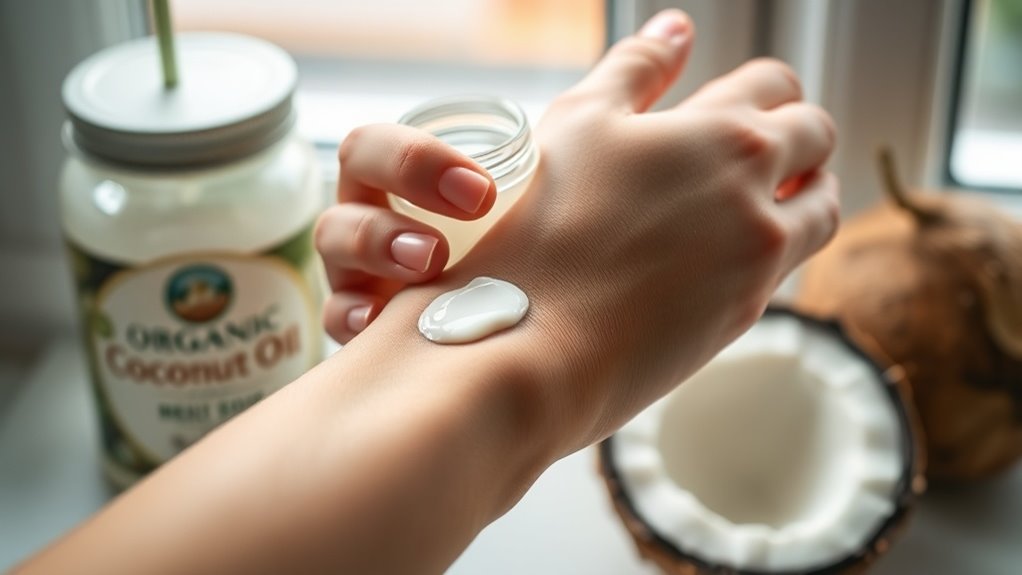
When dealing with a yeast infection, coconut oil stands out as one of the most accessible and effective natural remedies you can use. It contains caprylic acid and lauric acid, which possess powerful antifungal properties that combat Candida overgrowth.
Apply organic, virgin coconut oil directly to the affected area two to three times daily. You’ll find it provides immediate cooling relief while fighting the infection.
For internal vaginal yeast infections, you can soak a tampon in melted coconut oil and insert it for two hours.
The caprylic acid works by disrupting fungal cell membranes, which directly targets the Candida albicans responsible for the infection.
These yeast infection remedies fast-track your healing naturally and affordably.
Probiotic Yogurt Treatment to Restore Vaginal Flora
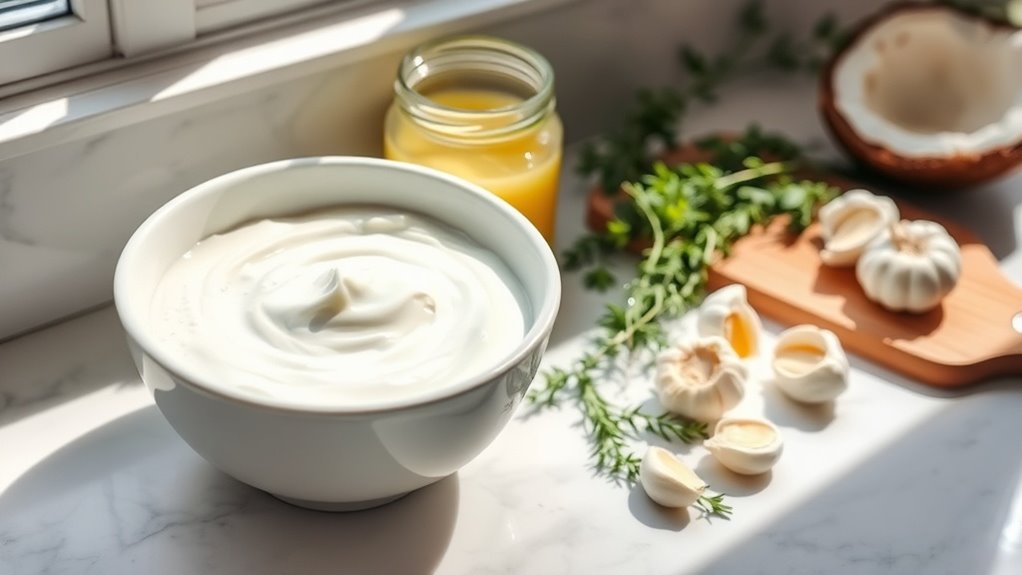
Plain, unsweetened yogurt containing live Lactobacillus acidophilus cultures works as a powerful remedy to rebalance your vaginal microbiome. You can apply it directly to the affected area using a tampon or your fingers, letting the beneficial bacteria combat the overgrowth of Candida fungus.
Leave the yogurt on for two hours before rinsing with water.
You’ll also benefit from eating probiotic-rich yogurt daily to support your body’s natural defenses from within.
Always check the label to ensure your yogurt contains active cultures. Avoid flavored or sweetened varieties, as sugar feeds yeast and worsens your infection.
This approach helps restore vaginal pH balance, which is essential for preventing the conditions that allow yeast organisms to overgrow and cause infection.
Apple Cider Vinegar Dilution for Ph Balance
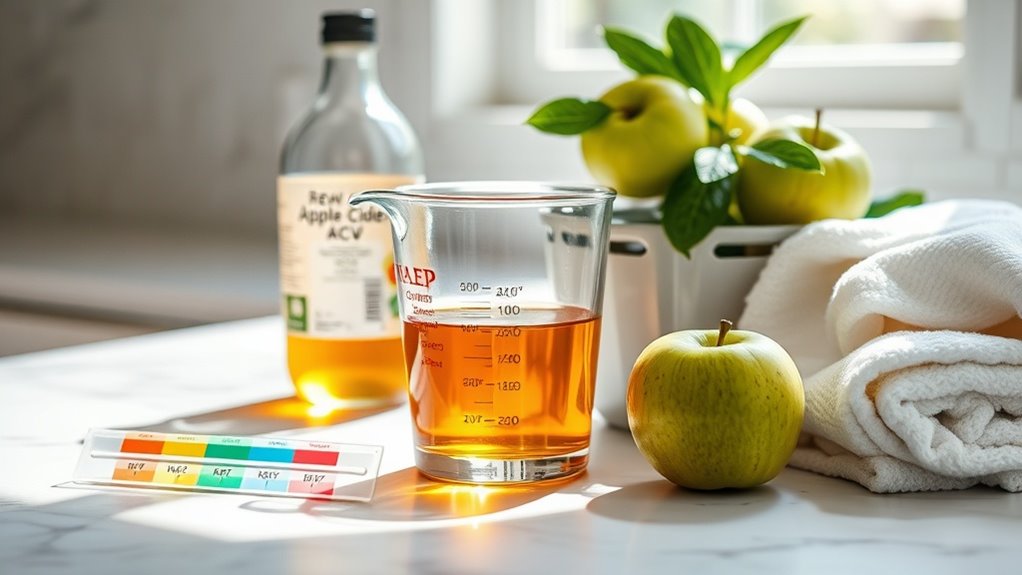
Apple cider vinegar offers another natural approach to managing yeast infections by helping restore your vaginal pH balance. Mix one to two tablespoons of raw, unfiltered apple cider vinegar with water for a sitz bath, soaking for 15-20 minutes. You can also add half a cup to your bathwater.
Never apply undiluted vinegar directly to vaginal tissue, as it’ll cause burning and irritation. The acetic acid in apple cider vinegar creates an environment where yeast struggles to thrive.
The antimicrobial properties of ACV work alongside its pH-balancing effects to create conditions that discourage yeast overgrowth.
If you experience any discomfort during treatment, discontinue use immediately and consult your healthcare provider.
Tea Tree Oil Suppositories for Targeted Treatment
Because of its potent antifungal properties, tea tree oil can effectively target yeast infections when properly diluted and applied as a suppository.
You’ll need to mix one or two drops of tea tree oil with a tablespoon of coconut oil as a carrier. Never use undiluted tea tree oil, as it’s too harsh for sensitive vaginal tissue.
Soak a tampon in this mixture and insert it for no more than four hours. You can repeat this treatment once daily for up to three days. If you experience burning or irritation, remove the suppository immediately and discontinue use.
Tea tree oil works by containing compounds that disrupt fungal cell membranes, making it an effective natural remedy against yeast overgrowth.
Garlic Insertion Technique for Natural Antifungal Action
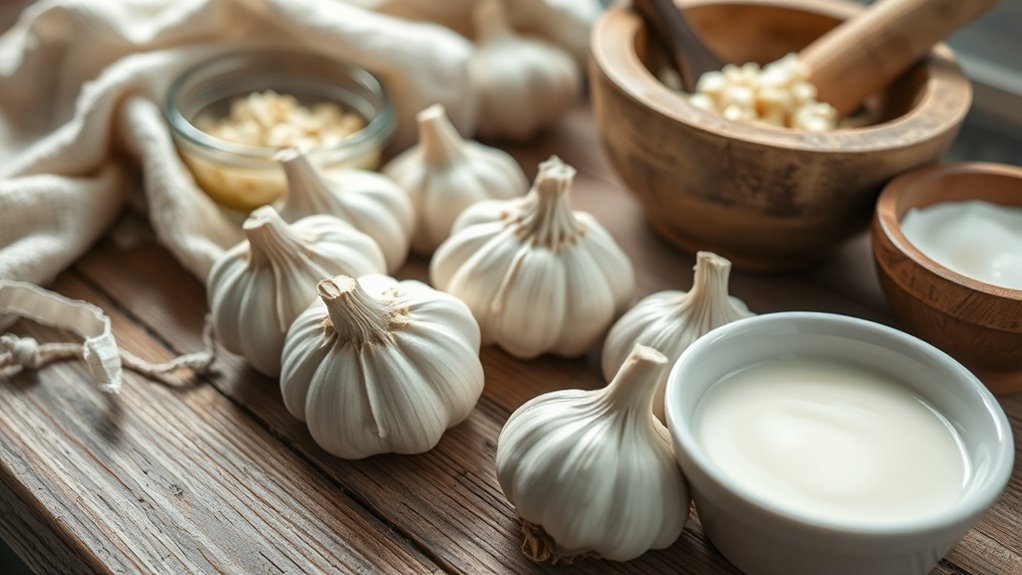
While garlic has demonstrated antifungal properties in laboratory settings, inserting raw garlic cloves into the vagina isn’t recommended by medical professionals and can cause serious harm. Raw garlic can cause severe burning, irritation, and tissue damage to delicate vaginal membranes.
There’s no scientific evidence supporting this practice’s effectiveness for treating yeast infections. Additionally, garlic pieces can break apart internally, making removal difficult and increasing infection risk. If you’re experiencing yeast infection symptoms, consult your healthcare provider for proven treatments like antifungal medications. Don’t risk complications by experimenting with unproven insertion methods that may worsen your condition. Instead, garlic’s antimicrobial compound allicin can be safely consumed when fresh cloves are mixed with olive oil or incorporated into your daily meals.